



Rowdyism threatens University of Oregon’s late-night buses
The late-night bus service quickly grew in popularity. University students frequenting bars along the 79x route began to ride the late-night bus, finding it a convenient mode of travel, especially when they were intoxicated.

Complaints about drunken, combative students has Lane Transit District (LTD) in Eugene, Ore., considering whether to discontinue late-night bus service for the University of Oregon.
Initiated in January, the late-night bus program targets students who live in apartments near Autzen Stadium, about 1.5 miles from campus. The program extends regular hours of service about four hours, until 2 a.m., to accommodate students who study at the 24-hour library or have campus jobs that require them to stay late.
Andy Vobora, LTD’s director of service planning, accessibility and marketing, said the walk is relatively short but not necessarily safe, creating strong demand for transportation services. “The students were being shuttled non-stop in vans, and some had to wait for hours for a ride,” he said.
So the university contracted with LTD to extend its service on the 79x route at a cost of about $40,000 for the current semester.
The late-night bus service quickly grew in popularity. University students frequenting bars along the 79x route began to ride the late-night bus, finding it a convenient mode of travel, especially when they were intoxicated.
Their behavior generated complaints not only from other passengers but also from bus operators. Brian Pasquali, an LTD bus operator and executive board officer for the Amalgamated Transit Union, said the drunken students’ conduct on the bus creates a safety hazard.
“The biggest thing is the noise level,” Pasquali said. “The only thing that gets them to quiet down is to pull the bus over. When the driver asks them to obey the rules, there’s almost immediate confrontation and over-the-top, George Carlin-level profanity.”
Pasquali says LTD bus operators are used to dealing with one or two intoxicated riders a day. “That’s a manageable situation,” he said. “As it stands, it has not been manageable and it diminishes the driver’s safety and their ability to drive the bus safely.”
To discourage misbehavior on the late-night bus, Vobora said LTD has posted warning signs at main stops, the apartments and the campus transit station. “That’s really helped raise the awareness for everybody,” he said. “This past weekend we saw vast improvement.”
Vobora said LTD will offer the service through June but will reassess whether to continue the program in the fall. “We anticipate that it’s going to be part of the package,” he said. “We’ll be more aggressive about communication and address it right from the beginning.”
More Bus
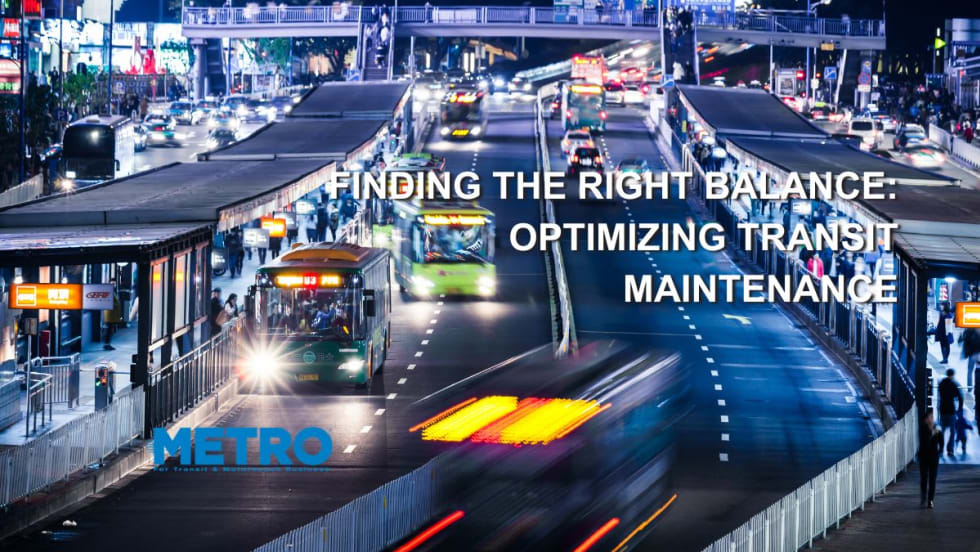
Finding the ‘Happy Medium’: Optimizing Maintenance Without Sacrificing Reliability
The key to maintenance optimization isn’t doing less work—it’s doing the right work at the right time on the right assets.
Read More →
LA Metro, City of West Hollywood, and Partners Advance Smarter Bus Lane Enforcement
The award-winning partnership combines AI-powered detection with human oversight to improve bus reliability, accessibility, and enforcement efficiency.
Read More →
PSTA Modernizes Workforce Management with Digital Bidding System
The award-winning Workforce Transit Modernization project replaced paper bidding with a transparent digital platform, cutting administrative effort while improving access for operators.
Read More →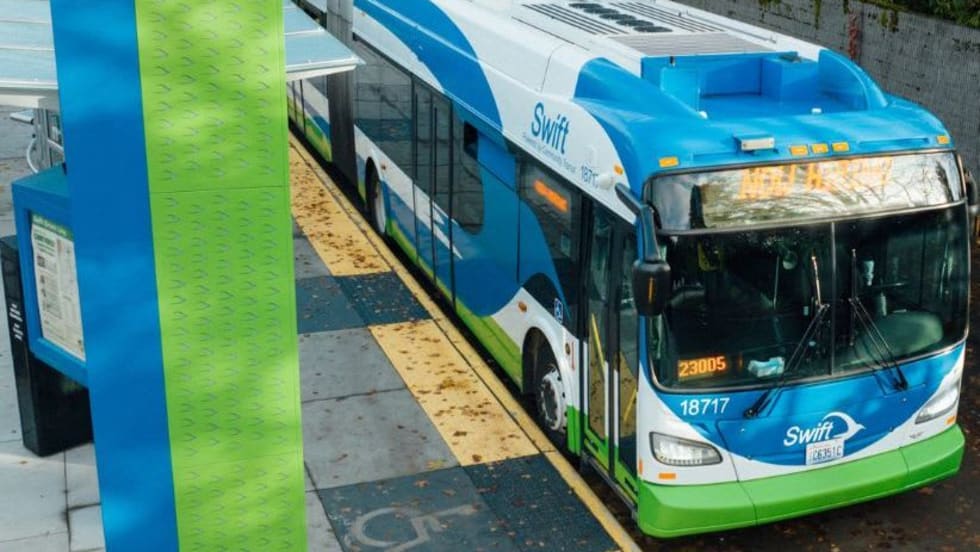
Washington's Community Transit Sets Six-Year Roadmap for Growth, Expansion
Approved TDP targets more bus service, new mobility options, Swift BRT expansion, and a potential Everett Transit annexation.
Read More →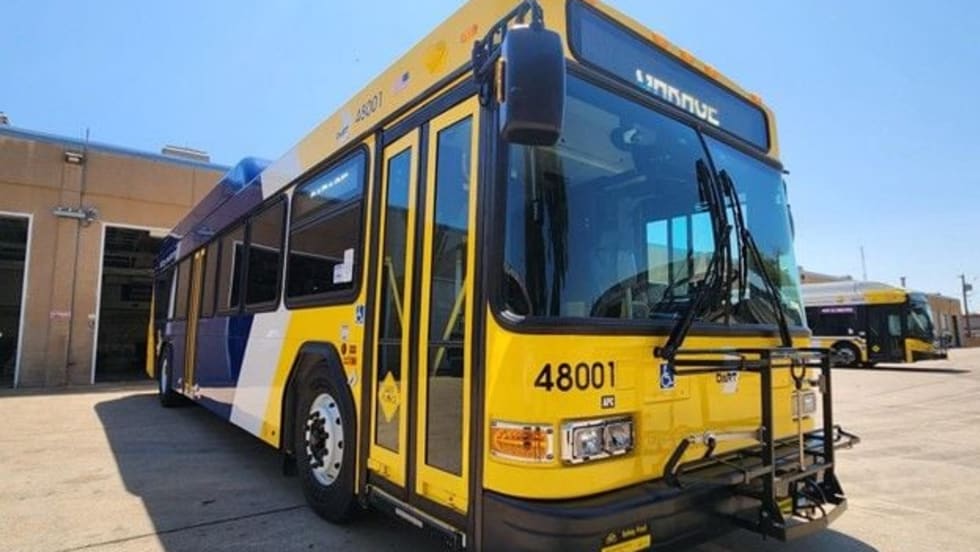
DART Customer Satisfaction Reaches Six-Year High
Overall satisfaction rose to 74.9%, while the agency’s Net Promoter Score reached a record 33.7.
Read More →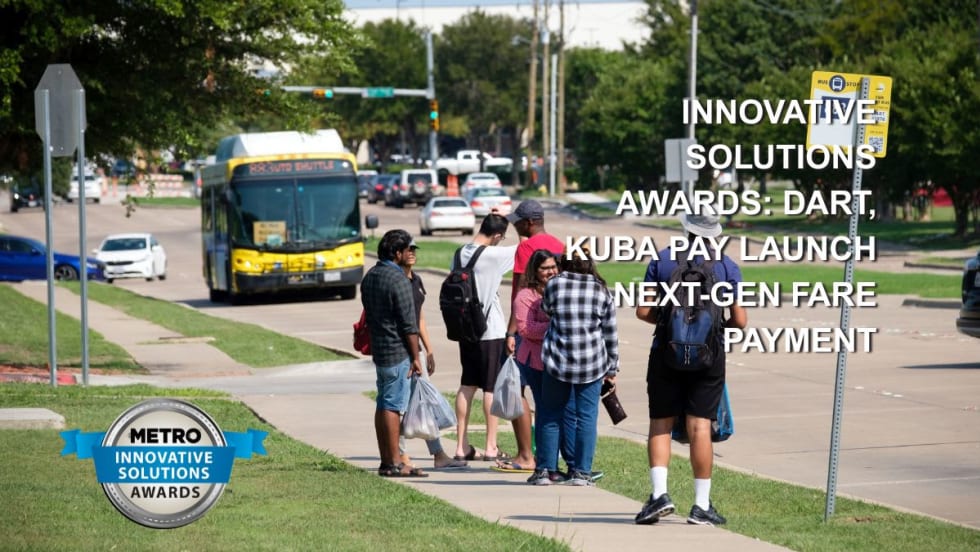
How DART's GoPass Is Redefining Regional Mobility
Serving 14 transit agencies, GoPass simplifies multimodal travel by allowing riders to plan, pay for, and manage an entire trip through one app.
Read More →
Biz Briefs: OCTA Taps Clean Energy for Hydrogen Station, Stadler to Supply Via Rail Vehicles, and More
From manufacturers and suppliers to transit agencies and motorcoach operators, these updates offer a snapshot of the projects, partnerships and business moves driving the industry forward.
Read More →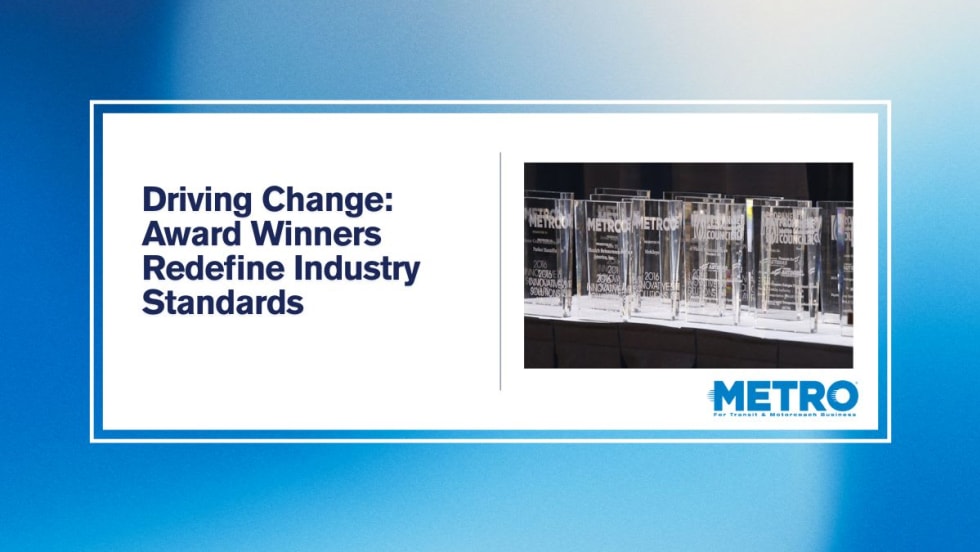
METRO Magazine Announces 2026 Innovative Solutions Awards Winners
Projects Recognized for Advancing Mobility Through Technology, Accessibility, Workforce Innovation, and Operational Excellence
Read More →
Biz Briefs: STV teams with Amtrak, Motorcoach Operators Boost Fleet and Land Contracts, and More
From manufacturers and suppliers to transit agencies and motorcoach operators, these updates offer a snapshot of the projects, partnerships and business moves driving the industry forward.
Read More →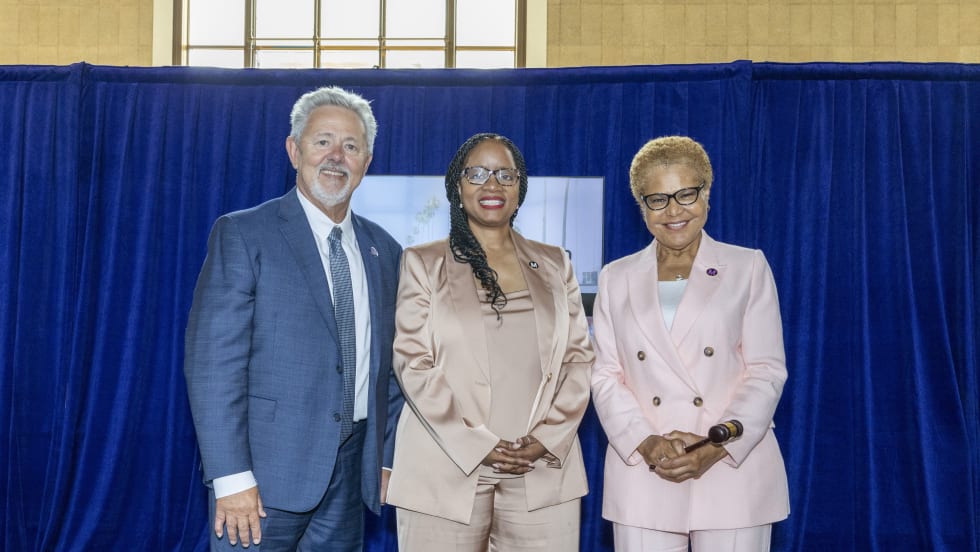
LA Metro Marks Banner Year, Sets Ambitious Goals for New Fiscal Year
Incoming LA Metro Board Chair and Los Angeles Mayor Karen Bass joined outgoing Board Chair Fernando Dutra and LA Metro CEO Stephanie Wiggins to review accomplishments from fiscal year 2026, which included the opening of new rail extensions, advancement of major transit projects, expanded safety programs, and new rider amenities.
Read More →