



RTD OKs Updates to Access-On-Demand Services
Following an extensive third-party evaluation in 2024, RTD moved toward restructuring the program to ensure its fiscal sustainability.

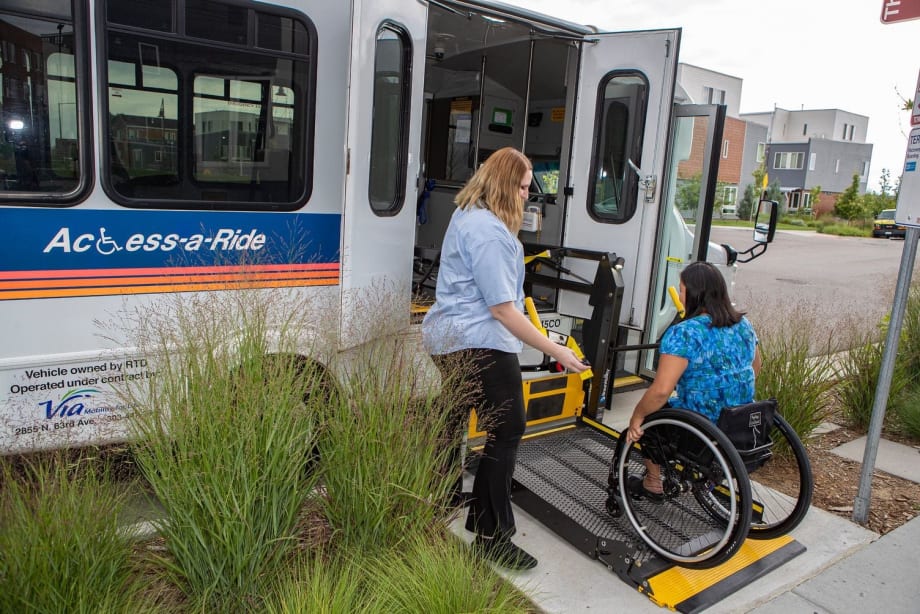
In February 2024, RTD commissioned an American Public Transit Association Paratransit Peer Review to identify ways to improve paratransit services and ensure financial stability for Access-on-Demand.
Photo: Denver RTD
The Denver Regional Transportation District’s (RTD) board has approved updates to its Access-on-Demand program, which provides curb-to-curb service for paratransit customers.
The costs for RTD to provide the Access-on-Demand subsidy continue to increase at a rate of 3% per month, beyond $1.2 million in August. RTD provides Wheelchair Accessible Vehicles (WAVs) from the Access-a-Ride fleet to serve customers who use wheelchairs. The costs to provide WAV services add approximately $1 million monthly.
Following an extensive third-party evaluation in 2024, RTD moved toward restructuring the program to ensure its fiscal sustainability.
Changes on the Way
Access-on-Demand program changes will include instituting a $4.50 standard fare and a $2.25 fare for LiVE eligible customers per trip. Currently, the agency has been subsidizing services for up to $25 per trip for up to 60 visits per month; customers pay the amount exceeding $25.
With the program updates, RTD will reduce the subsidy to $20, and customers will still be able to ride as many as 60 trips a month. Customers can book trips with up to two stops without incurring an additional base fare. For example, customers could travel from home to a daycare location to a workplace without being required to pay an additional base fare for the second leg of the trip and without the second destination counting against the 60-trip total, according to the agency.
The board also approved removing two hours of daily service to Access-on-Demand services so that it aligns with that of RTD’s federally mandated Access-a-Ride paratransit service, which follows the same days and hours as the agency’s local fixed-route service.
Access-on-Demand services will operate 22 hours a day, from approximately 3:30 a.m. to 1:30 a.m., rather than 24 hours a day. The customer impact from the two-hour service reduction, from 1:30 a.m. to 3:30 a.m., will be minimal, as RTD finds that service usage accounts for less than 1% of customer trips. The Access-on-Demand service is available throughout RTD’s district.
Access-on-Demand Program
RTD has seen a 306% increase in the amount appropriated for the Access-on-Demand program since its inception in January 2023. The number of active Access-on-Demand users has increased from 2,191 in October 2023 to 3,398 in August 2025. Staff proposed modifications for the program’s fiscal sustainability in 2026 to mitigate rising costs.
Additionally, increases in Access-on-Demand WAV trips, provided using Access-a-Ride vehicles, have impacted traditional Access-a-Ride shared-ride services. Between June and August 2025, Access-a-Ride's on-time performance decreased from above 90% to 83%.
The program updates for Access-on-Demand services will take effect on January 1, 2026, to allow for time for paratransit customers to be notified of and prepared for program changes.
Extensive Evaluation
In February 2024, RTD commissioned an American Public Transit Association Paratransit Peer Review to identify ways to improve paratransit services and ensure financial stability for Access-on-Demand.
RTD educated a panel of experts about the program, who assessed the agency’s paratransit operations through a series of briefings and interviews with RTD employees, contractors, paratransit customers, and community stakeholders. Recommendations were presented to RTD’s Operations, Safety, and Security (OSS) Committee in November 2024.
RTD solicited feedback from paratransit customers, interested parties, and board members to review the proposed Access-on-Demand scenarios through five virtual and two in-person public meetings.
The agency also assessed the Access-on-Demand programs of 21 transit agencies in conducting its analysis. RTD determined that the Access-on-Demand program would require a fare, updated service hours, and adjusted service area to help defray the costs of the program.
The agency’s OSS Committee further evaluated proposed modifications from RTD’s board meeting on July 29, as discussed at the September 10 meeting.
Accounting for the most recent analysis, last night’s board resolution determined to instate the $4.50 standard/$2.25 LiVE per-trip fare and reduce the subsidy to $20 from $25 to help deliver a more fiscally sustainable service.
More Paratransit

Biz Briefs: RIPTA Unveils New Frontrunners, Clevland RTA Adds New Siemens, and More
In METRO's latest installment, we take a look at recent news from Siemens, Prevost, Dodge, and more partnerships making headlines across the transportation sector.
Read More →
King County Metro Makes ADA Paratransit Easier to Navigate
METRO's Innovative Solutions Award winner replaces complex service-area descriptions with an accessible, interactive map that puts paratransit information directly in customers’ hands.
Read More →
Jacksonville’s NAVI Project Charts a New Course for Autonomous Public Transportation
Through its NAVI program, JTA is showing how autonomous vehicles, intelligent infrastructure, and coordinated operations can work together to deliver everyday public transportation.
Read More →
Driving Smarter Paratransit
John Hanlon shares how AlphaRoute is leveraging AI-powered technology to help paratransit providers optimize operations, support frontline staff, and enhance the rider experience.
Read More →
METRO Magazine Announces 2026 Innovative Solutions Awards Winners
Projects Recognized for Advancing Mobility Through Technology, Accessibility, Workforce Innovation, and Operational Excellence
Read More →
Biz Briefs: STV teams with Amtrak, Motorcoach Operators Boost Fleet and Land Contracts, and More
From manufacturers and suppliers to transit agencies and motorcoach operators, these updates offer a snapshot of the projects, partnerships and business moves driving the industry forward.
Read More →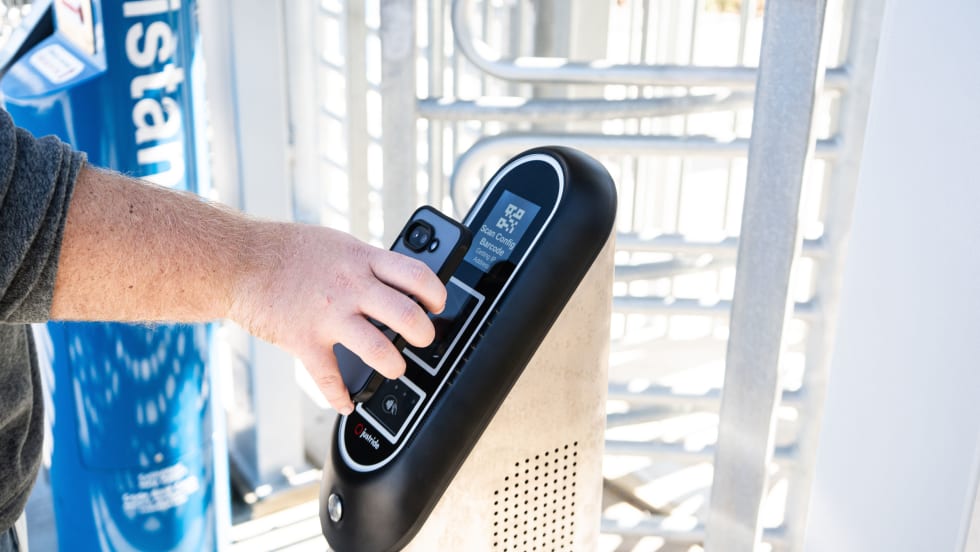
Biz Briefs: Masabi Teams with St. Louis Metro and More
In METRO's latest installment, we take a look at recent news from Transdev, Hitachi, and more partnerships making headlines across the transportation sector.
Read More →
New York MTA Leverages Zoning Program to Advance Station Accessibility
Accessibility enhancements at Nevins St Station will be financed through a development agreement tied to the MTA's Zoning for Accessibility initiative.
Read More →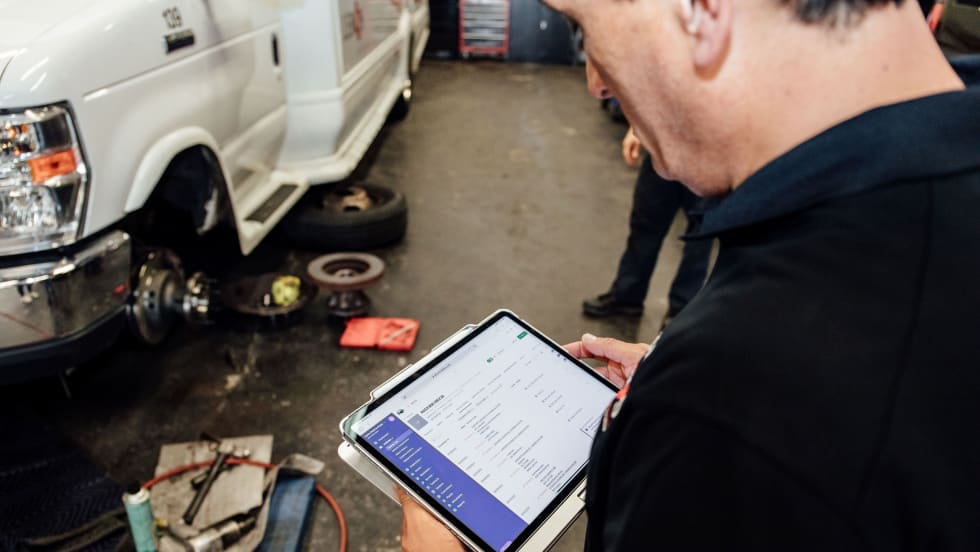
Reinventing Fleet Maintenance with Real-time Visibility and AI
Transit leaders need to know what needs fixing, where to look, who is responsible, when work is completed, and what it costs without having to chase information across disconnected systems.
Read More →
SamTrans Sets Priorities for Potential Connect Bay Area Revenue
The board-approved framework allocates future funding to maintaining service, rider improvements, equity initiatives, and infrastructure repairs.
Read More →