



Rutgers University unveils transit shelter prototype
The nine-foot by 18-foot individual module designed and installed by De Biasse & Seminara, comprised of four red and two clear panels and one column bundle, is intended to be arranged in various configurations or used solo, depending upon ridership, location and context at each individual stop.

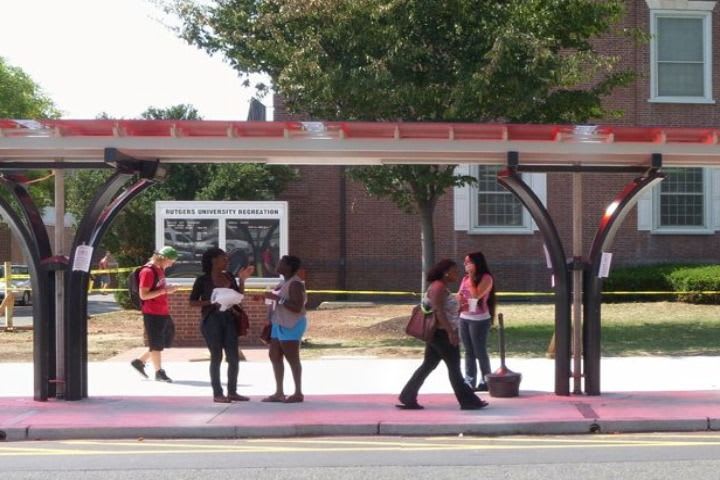
Photo Courtesy of De Biasse & Seminara
[IMAGE]Rutgers2-6.jpg[/IMAGE]A new prototype transit shelter, designed to be an identifying icon, was recently unveiled at Rutgers University.
Design firm De Biasse & Seminara based in Martinsville, N.J., was tasked to design a transit shelter prototype that would be durable, cost-effective and an identifying icon throughout Rutgers' New Brunswick, N.J.-area campuses. The design and installation was completed over the summer, with the new prototype shelter becoming available to students on campus at the start of the fall semester.
The site chosen for the first shelter, which was designed in different sizes to fit in a variety of areas on campus, was in front of the old gymnasium — aka "the Barn"— near the Student Center, it is one of the busiest transit stops on campus. As such, there was concern on the part of the University that the design not obstruct the sidewalk or, further, overpower or detract from any existing campus architecture.
"The architects listened to us — the design was spot on, and addressed concerns of our entire building committee," said Jeffrey Livingston, RA, Rutgers University's architect.
Rather than using red paint or the (ubiquitous) "Big Red R," a red translucent panel serves as the shelter roof module. The four-foot by eight-foot panel creates a red shadow of varying intensity, depending upon the weather and time of day, that travels the site with the rising and setting of the sun.
The translucency of the red roof continues in its supporting steel structure: A curved tube column is repeated, in plan, in a circular array to create the trunk and arcing branches of a black-painted "tree." The tube columns are spaced apart to accommodate roof leaders and conduit. This space is enclosed with a curved perforated steel panel. The branches of the trunk reach up and connect to gently curved tube beams which create a low point, for roof drainage.
Each red translucent panel is point-supported above the gray painted steel framework by two-inch stainless steel standoffs. The red panels are set off by 18-inch by four-foot clear panels and the continuous stainless steel gutter. All panel joints are sealed with structural silicone.
The nine-foot by 18-foot individual module, comprised of four red and two clear panels and one column bundle, is intended to be arranged in various configurations or used solo, depending upon ridership, location and context at each individual stop.
"At Rutgers, we always tell students that it is a transit system, not a bus system, said Jack Molenaar, director of transportation at Rutgers. "This new shelter, designed by De Biasse & Seminara Architects, is truly a transit shelter and brings our entire system to a new and much better level."
Meanwhile, at the 70 foot-long College Avenue shelter, the remaining pergola structure spans over four curved-column tree assemblies and creates the framework of support for the clear and red translucent roof panels flanking a continuous stainless steel gutter.
The shelter is lighted by photocell-controlled, step-dimmed linear fluorescent fixtures between columns and in-ground LED up-light accenting each column bundle.
The entire design, fabrication and construction processes for the College Avenue Student Center Shelter were completed within a thee-month period, meeting an aggressive schedule set by Rutgers.
The College Avenue Shelter is the new standard for Rutgers Transit shelters, and will gradually be installed throughout all of Rutgers New Brunswick area campuses.
More Bus
Brian Dickson on Building Stronger, More Resilient Transportation Organizations
Bus Business Consultants Founder Brian Dickson discusses the leadership principles, operational discipline, and strategic planning that separate transportation companies positioned for long-term success from those stuck in survival mode.
Read More →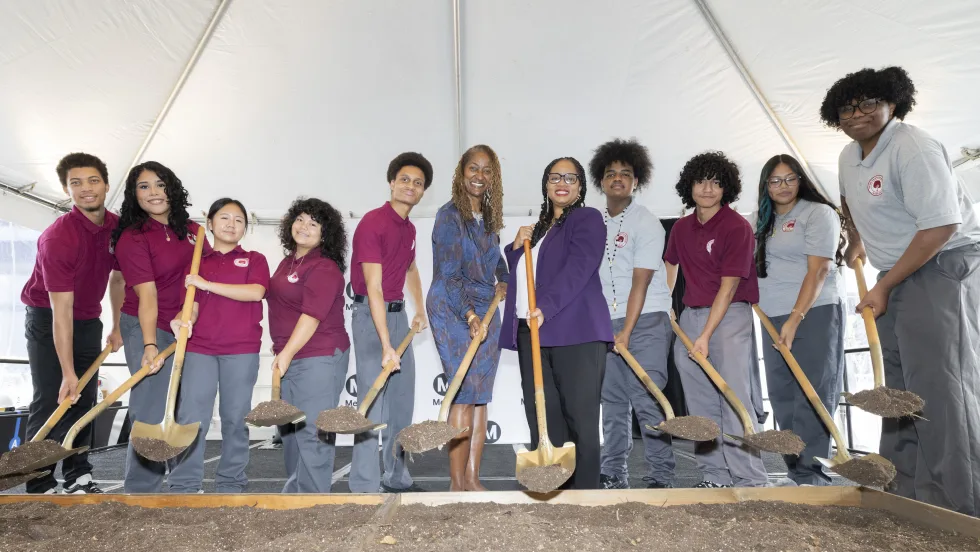
LA Metro Breaks Ground on Vermont BRT Project
The 12.4-mile corridor is projected to serve 66,200 daily riders, reduce travel times by up to 24%, and create the nation's busiest bus rapid transit corridor.
Read More →
Roman Cornell on ABC Companies’ Evolution and the Future of Passenger Transportation
The company’s CEO discusses carrying forward a third-generation family legacy, ABC’s continued evolution in passenger transportation, support for increasingly complex fleets, and how technology and continued investment could help operators improve uptime.
Read More →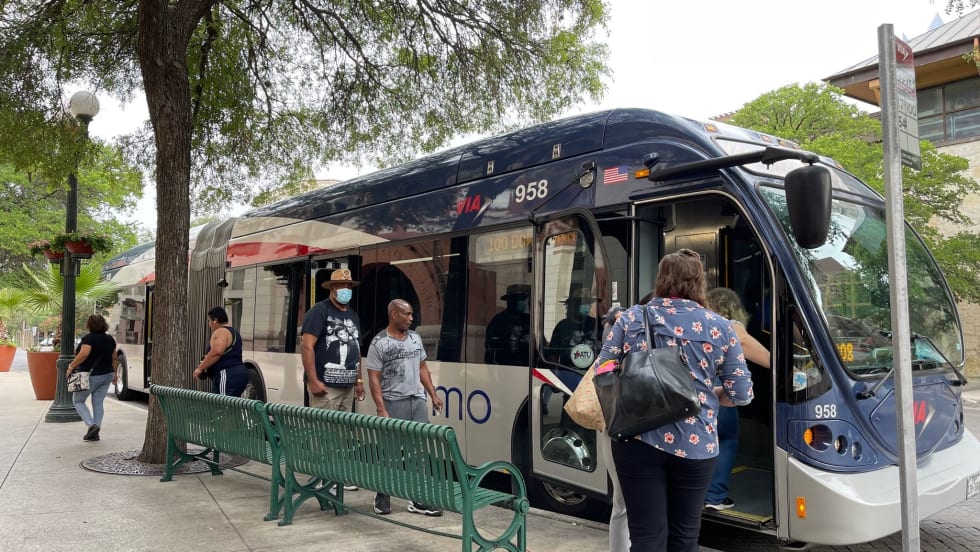
VIA Bus Ridership Grows 10.1% Through August 2026
San Antonio's VIA Metropolitan Transit reported the highest bus ridership growth among major Texas transit systems. Federal Transit Administration data ranked it second among the nation's 50 largest transit systems.
Read More →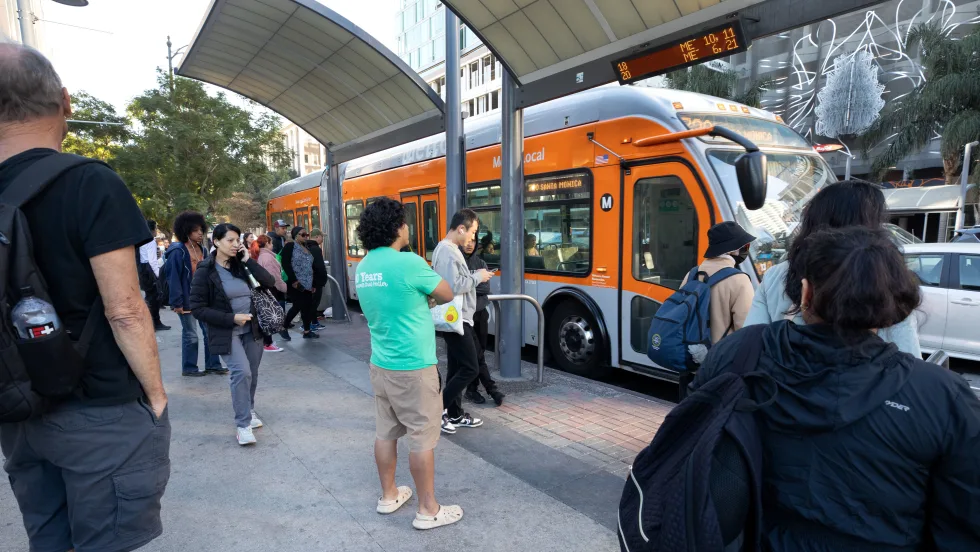
LA Metro September Ridership Climbs 3.9%, Led by Rail Growth
The agency recorded more than 27.2 million boardings, with rail ridership increasing 12.4% year over year and the D Line posting the largest gains.
Read More →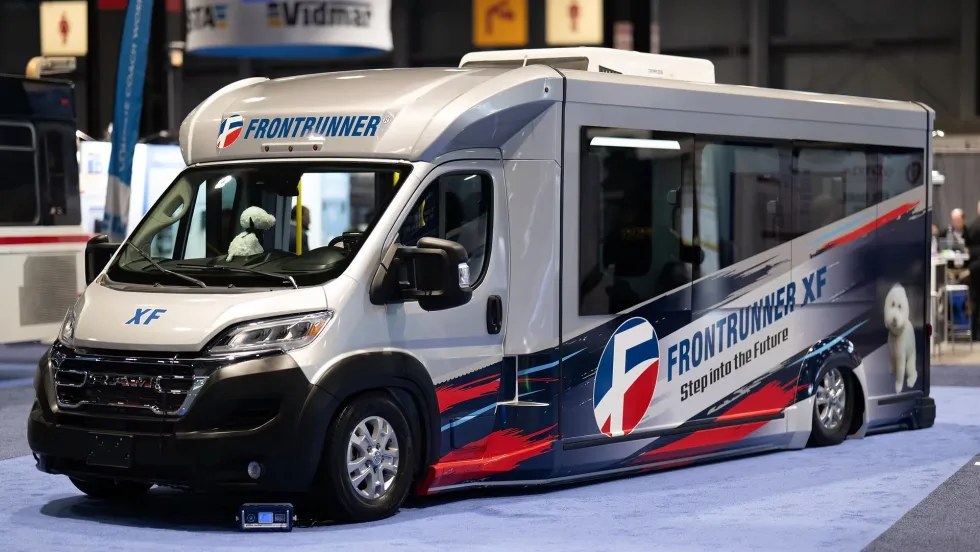
Frontrunner Bus Group Introduces XF Low-Floor Bus with Enhanced Accessibility
The new mid-sized bus features a full flat-floor design, eight-inch curbside step-in height, and zero-entry rear ramp to improve passenger access and operational flexibility.
Read More →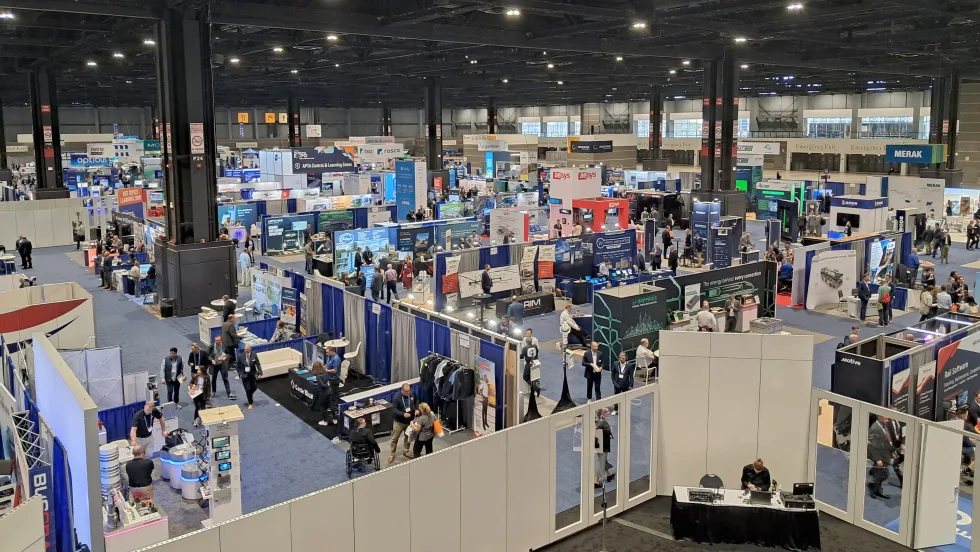
Scenes from APTA TRANSform & EXPO 2026
Transit leaders, manufacturers, and industry professionals gathered in Chicago to explore new technologies, share ideas, and discuss the future of public transportation.
Read More →
More Than a Summer Job: Building the Next Generation of Transit Talent
The Delaware River Port Authority and PATCO have transformed their internship program into a hands-on professional development experience that introduces students to the breadth of transportation careers — and creates a pipeline for future employees.
Read More →
LA Metro Board Awards 220 Battery-Electric Bus Contract to ENC
The contract, which is the largest base award of battery-electric buses by a U.S. transit agency, will be built in Southern California, sustaining good jobs as LA prepares to welcome the world in 2028
Read More →
Public Transit Conference Returning to GFX in 2027, Call for Papers Now Open
The Call for Papers is now open, allowing transit agency professionals and industry experts to help shape the PTC educational program by submitting session ideas for consideration.
Read More →