




RELATED: Understand your customers needs and they'll say 'yes'
SamTrans to use express buses to improve mobility options
Agency study recommends six new express routes that would be phased in over the next few years.
October 29, 2018
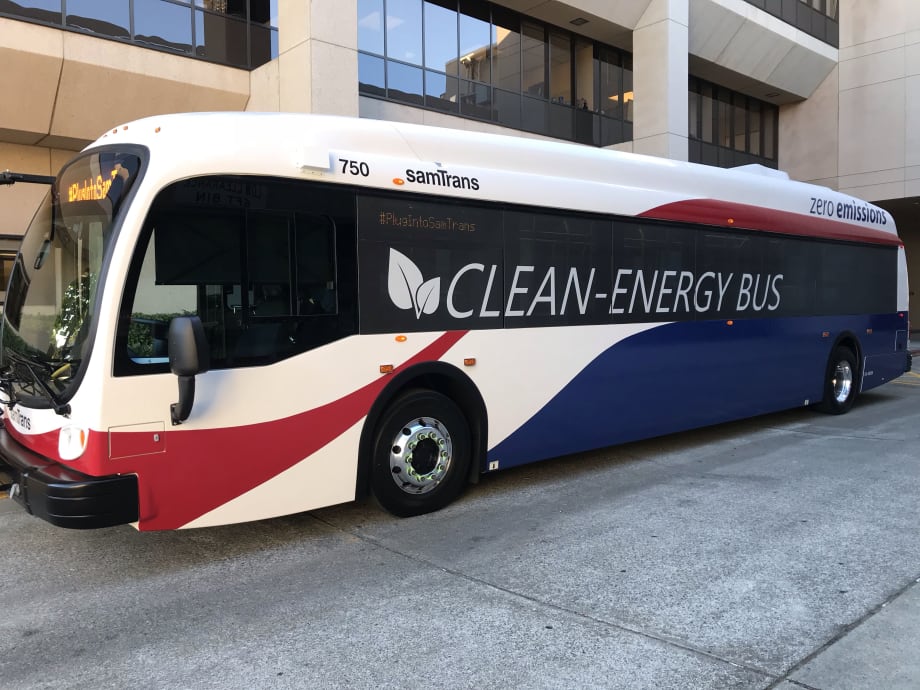
SamTrans has been awarded $15 million in state funds, partially from Senate Bill (SB) 1, to launch an express bus pilot program.
SamTrans
2 min to read
SamTrans has been awarded $15 million in state funds, partially from Senate Bill (SB) 1, to launch an express bus pilot program.
SamTrans
Calif.’s SamTrans released its Draft Express Bus Feasibility Study, outlining the agency’s plan to use express buses to improve mobility options and ease freeway congestion in San Mateo County.
The study recommends six new express routes that would be phased in over the next few years. The first two routes recommended by the study would run between Foster City and downtown San Francisco and between Palo Alto and the west side of San Francisco via Daly City starting in the summer of 2019 pending identification of funding and resources. According to the study, the remaining four routes would be implemented by 2023, although if funding becomes available they could come into service earlier.
The six goals of the study are to provide additional mobility options for regional trips, increase the share of people using transit along the Highway 101 corridor, develop a cost-effective service, improve transportation equity, enhance access to jobs and population centers, and support sustainable land use and transportation policies.
SamTrans has been awarded $15 million in state funds, partially from Senate Bill (SB) 1, to launch an express bus pilot program. The annual operating cost of each route as designed in the study ranges from $2 to $4 million dollars. The study recommends running peak-only service on most routes with buses every 20 minutes.
The study was a collaborative project involving partners from transportation agencies in San Francisco and Santa Clara counties, as well as San Mateo County. The study was funded by SamTrans, Caltrans District 4, and the Silicon Valley Community Foundation.
More New Mobility

ENC Unveils ZAVIR Medium-Duty Electric Shuttle at APTA EXPO
The new ZAVIR brand targets shuttle and paratransit operations with battery-electric and range-extended electric vehicle options.
Read More →
Public Transit Conference Returning to GFX in 2027, Call for Papers Now Open
The Call for Papers is now open, allowing transit agency professionals and industry experts to help shape the PTC educational program by submitting session ideas for consideration.
Read More →
Everett Transit, Community Transit Outline Consolidation Agreement
The proposed agreement calls for a 50% increase in bus service in Everett, a new microtransit zone, continued paratransit service, and the transfer of Everett Transit operations to Community Transit.
Read More →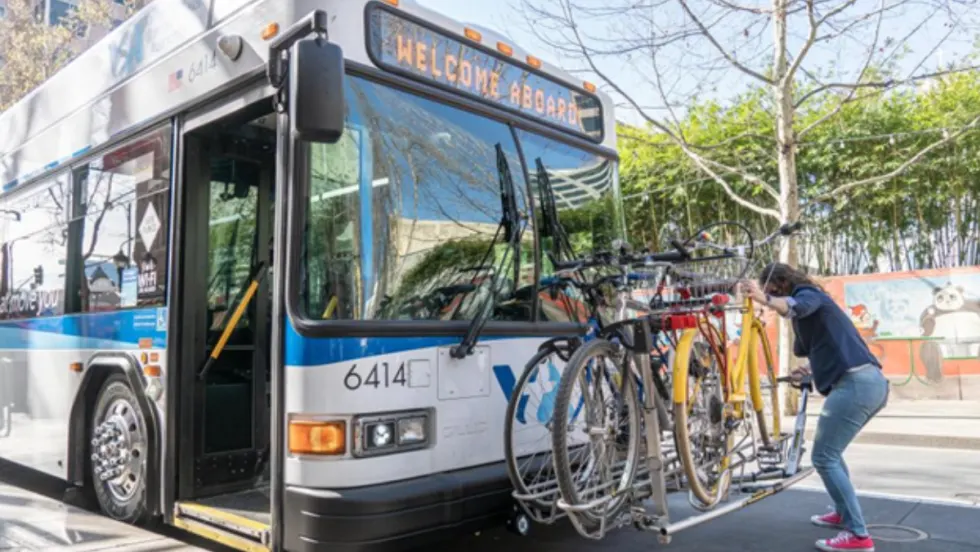
What Multimodal Data Can Tell Transit Agencies About Rider Demand
See how bike-on-bus data is giving transit agencies new insight into rider demand, capacity constraints, and gaps in first- and last-mile connections.
Read More →
From Hardware to Digital Partner: Luminator Charts Its Next Chapter
CEO Magnus Friberg discusses Luminator’s shift toward becoming a digital partner, the growing importance of software and interoperability, and how AI can help agencies improve operations and passenger experience.
Read More →
Biz Briefs: Alstom Lands Canadian Contract, LYT to Supply California TSP, and More
In METRO's latest installment, we take a look at recent news from Complete Coach Works, Beep, FlixBus, and more partnerships making headlines across the transportation sector.
Read More →
CharterUP’s Armir Harris on Technology, AI, and the Future of Group Mobility
In a recent episode of METROspectives, CharterUP Founder/CEO Armir Harris discussed the company’s evolution from an online charter bus marketplace into a technology platform supporting public- and private-sector mobility and much more.
Read More →
Jacksonville’s NAVI Project Charts a New Course for Autonomous Public Transportation
Through its NAVI program, JTA is showing how autonomous vehicles, intelligent infrastructure, and coordinated operations can work together to deliver everyday public transportation.
Read More →
Biz Briefs: Luminator Marks Milestone and More
From manufacturers and suppliers to transit agencies and motorcoach operators, these updates offer a snapshot of the projects, partnerships and business moves driving the industry forward.
Read More →
New Tricks for Old Bureaucracies: Joshua Schank on Making Transit Innovation Stick
Former LA Metro Chief Innovation Officer Joshua Schank discusses why good ideas aren't enough, how transit agencies can overcome resistance to change, and why today's challenges demand more innovation.
Read More →