In September 2020, the MTS board approved the agency’s Zero Emission Bus transition plan to get the bus fleet to all zero emissions vehicles.
Photo: San Diego MTS
3 min to read
On the road to having a carbon-neutral fleet by 2040, the San Diego Metropolitan Transit System’s (MTS) battery-electric buses eclipsed the one-million-mile marker last month.
The milestone, 1,021,990 miles, represents 2,130 metric tons of CO2e, or carbon dioxide equivalent, not being emitted into the region’s air.
Ad Loading...
It is also the equivalent of 4.9 million passenger vehicle miles traveled, which means less cars on the road and cleaner air.
San Diego’s Road to Zero Emissions
In September 2020, the MTS board approved the agency’s Zero Emission Bus (ZEB) transition plan to get the bus fleet to all zero emissions vehicles.
The plan helped fast track the purchase of zero emission vehicles — ahead of the state mandate to start purchasing vehicles in 2023 — including the region’s first 60-foot articulated electric buses.
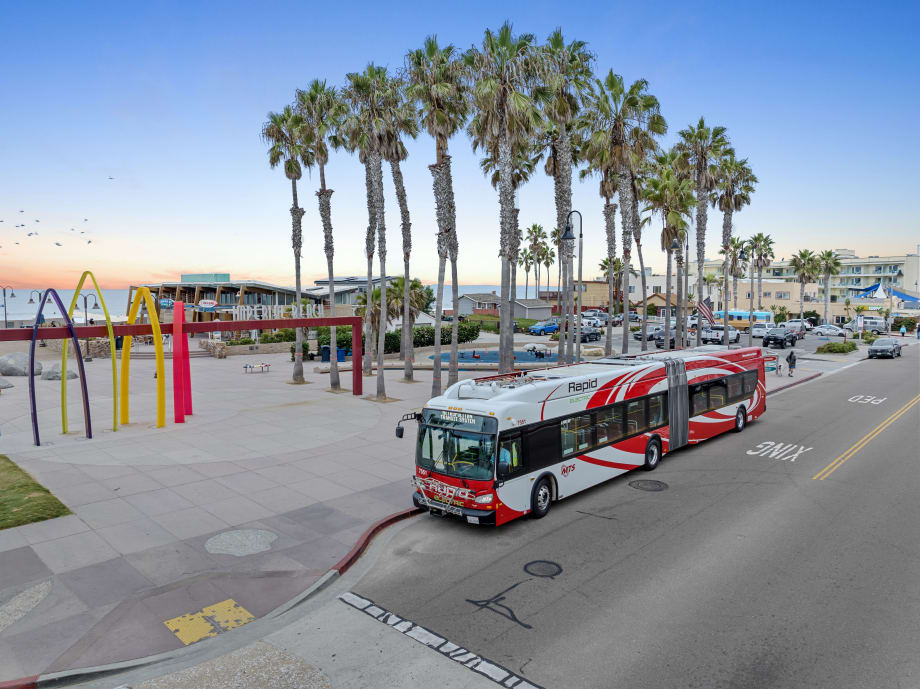
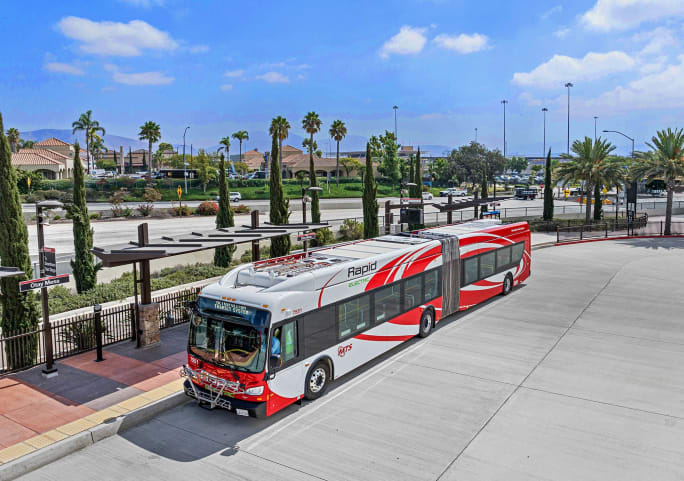
In October 2023, MTS launched the region’s first electric Rapid bus route as part of the region’s growing bus rapid transit (BRT) network.
The route features 12 60-foot battery-electric buses, the first articulated electric vehicles in MTS’ fleet.
Ad Loading...
Other electric buses in the fleet rotate on various routes across the system in the South Bay, East County, beach communities, and more.
The frequent rotation offers more riders the chance to ride electric buses and allows MTS to continue monitoring vehicle and battery performance on various routes, distances, times of day, temperatures and more.
In October 2023, MTS launched the region’s first electric Rapid bus route as part of the region’s growing BRT network.
Photo: San Diego MTS
Continuing Ahead
MTS currently has 25 electric buses in service and more on the way to keep residents moving in a cleaner and greener way.
The agency anticipates receiving 13 more electric buses in early 2025. Another big step in its efforts to convert the entire fleet to all zero-emissions by 2040.
MTS has made a series of moves to advance its zero-emissions bus program in the last five years, helping reduce regional greenhouse gas emissions.
Ad Loading...
In December 2019, the agency began its zero-emissions bus pilot by testing six battery-electric buses and setting in motion the two-year electric bus pilot program. The buses ranges were tested under various driving characteristics, including weather, topography, and more.
In September 2020, the MTS board approved a transition plan to convert the agency’s 750 buses to zero-emission by 2040.
MTS committed to purchasing its last internal combustion powered bus in 2028.
Transition will cut the agency’s greenhouse gas emissions on the bus side by approximately 43% over the next 19 years.
In February 2021, MTS retired the last diesel bus in its fleet.
In May 2022, MTS broke ground on an $8.5 million retrofitting project at its South Bay bus division on an overhead charging system for battery-electric buses.
In October 2022, MTS selected a site to build a new LEED-certified all-electric bus division to serve its growing zero-emission bus fleet.
Beginning in 2029, 100% of new bus purchases will be zero-emission buses, with the goal for full transition by 2040.
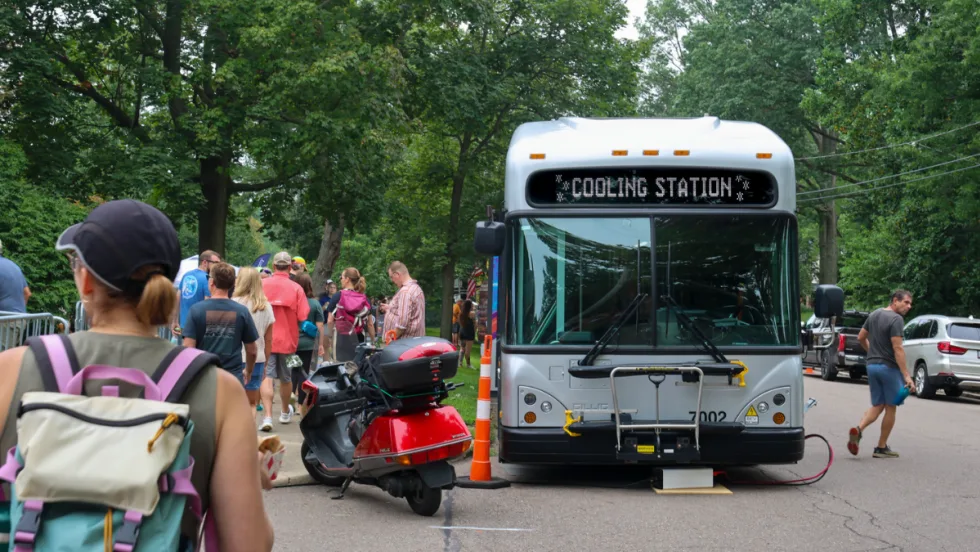
See how three Gillig battery-electric buses powered festival stages while the agency’s new Park & Ride service carried approximately 1,000 attendees, demonstrating another potential use for transit agencies’ electric fleets.
The new name represents a renewed vision for the nonprofit focused on advancing clean, equitable, and affordable transportation solutions that move people and goods.
John Hroncich discusses BAE Systems’ modular and scalable approach, lessons learned from decades of real-world operations, and how agencies can identify electrification strategies that fit their fleets.
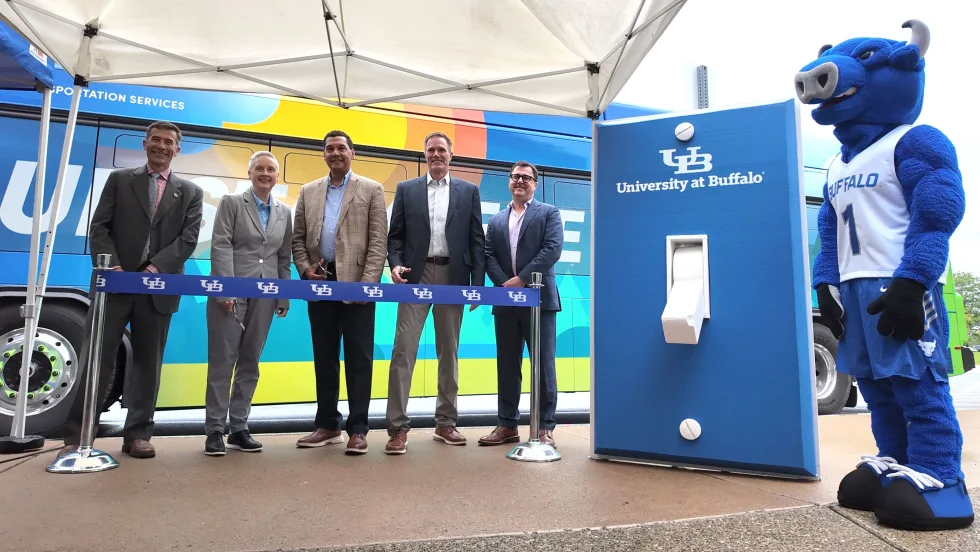
UB, transportation solutions provider WeDriveU, and fleet electrification specialist Zenobē marked the deployment in the presence of students, university administrators, and local officials.
From manufacturers and suppliers to transit agencies and motorcoach operators, these updates offer a snapshot of the projects, partnerships and business moves driving the industry forward.
The agency’s maintenance chief discusses leadership, workforce development, zero-emission technology, and preparing technicians for the future of public transportation.
The firm will work with CTDOT and RVT to define the facility layout, operational requirements, and long-term flexibility for RVT’s growing electric fleet.
The fast-charging infrastructure will help extend electric bus range, improve fleet utilization, and support DASH's goal of transitioning to a fully zero-emission fleet.