




Read More: When Preparing for Zero-Emission Buses Time and Planning are Key
Transitioning to an Electric Fleet: A Strategic Approach
The state of Victoria in Australia has committed to purchasing only ZEBs from 2025 onwards, but needed a charging solution that could be quicker and easier then implementing a full-scale infrastructure project to get started.
August 23, 2023
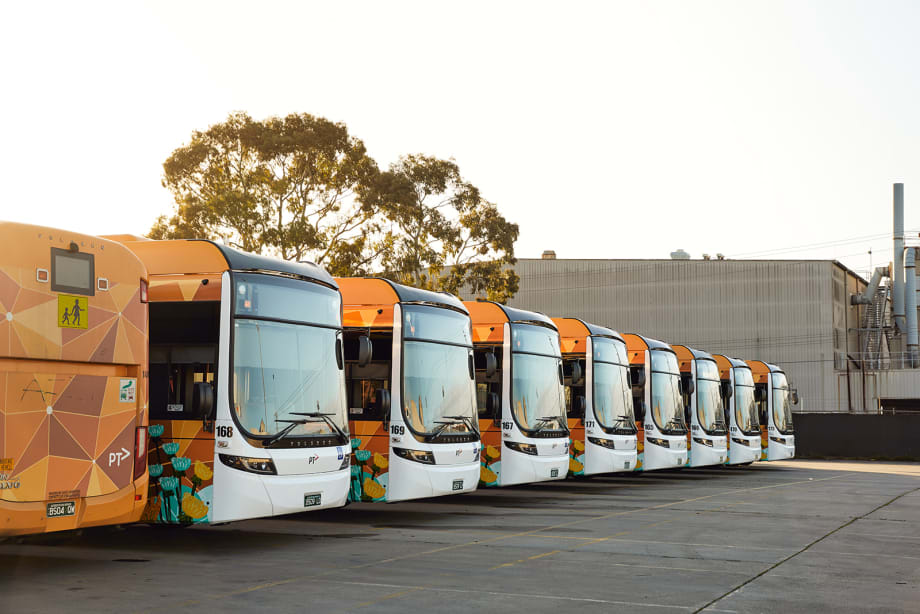
To uncover the right charge management strategy for the depot, the Evenergi team worked in collaboration with Transit Systems, operator of the vehicles providing service at the West Footscray depot, in addition to thousands of buses throughout Australia.
Photo: BetterFleet
5 min to read
Contributing to an overall target of net-zero emissions by 2045, the state of Victoria in Australia has committed to purchasing only zero-emission buses (ZEB) from 2025 onwards.
To kick-start this transition, understand the challenges, and foster industry collaboration, the Victorian Government launched a ZEB Trial with $20 million in funding for 50 buses throughout the state.
As part of this initiative, nine electric buses and the associated charging infrastructure were funded for the bus depot in West Footscray, serving the inner western suburbs of Melbourne.
With the funding approved and Australian-made electric buses from Volgren going into production, the focus turned to the next big challenge: planning the infrastructure installation and charging schedules in a way that facilitated efficient operations while avoiding a grid upgrade and maximizing government funding.
To uncover the right charge management strategy for the depot, the Evenergi team worked in collaboration with Transit Systems, the operator of the vehicles providing service at the West Footscray depot, in addition to thousands of buses throughout Australia.
A Data-Driven Plan
To get an accurate understanding of how much time each vehicle would need to charge upon returning to the depot, different route schedules had to be accounted for.
Route data was imported into Evenergi’s fleet planning and management software, the BetterFleet platform, and analyzed to provide detailed insight into the amount of energy each 348kWh vehicle would consume and need to replenish before hitting the road again.
The existing grid infrastructure at the West Footscray depot is able to support a limited number of kilowatts (kW) of overall power demand, and existing equipment at the site was already utilizing up to 75% or more of the available capacity throughout the day.
This left an even more limited amount of capacity that could be dedicated to charging buses (minus additional safety margins), only available at certain times when not needed for offices, workshops, bus wash, and other onsite facilities.
With energy modeling capabilities, the BetterFleet platform enabled the team to quickly look at different charging schedules, compare the grid impacts of using different charge rates and times, and hone in on a smart charging plan that met operational needs while keeping overall energy consumption under required thresholds.
If a simplistic approach had been taken without a smart charging strategy, power consumption could have easily exceeded the kW threshold and triggered a grid upgrade.
An upgrade to the grid equipment providing power to a depot can come with cost and lengthy timelines that may entail the installation of hardware such as transformers and switchgear, in addition to adding new transmission lines that require trenching along streets and footpaths.
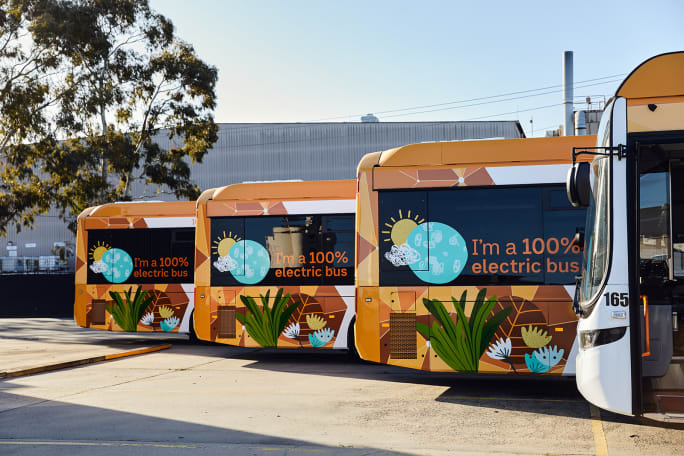
The Victorian Government launched a ZEB Trial with $20 million in funding for 50 buses throughout the state.
Photo: BetterFleet
Putting the Plan into Action
Establishing a strategic charging plan provided the necessary inputs for BetterFleet Manage, the charge management system now used on a daily basis to manage the depot’s 160kW Kempower charging system with three dual-port dispensers, providing six charging plugs distributing power to the new electric buses.
Data since the vehicles’ deployment in May 2023 has shown an average charge time of one hour and 50 minutes per bus and maximum power demand has remained below the threshold.
Taking into account power availability at different times, route schedules, and overall grid infrastructure limitations, the BetterFleet charge management system dynamically adjusts charging in response to site loads throughout the day and maximizes the use of available capacity.
Transit Systems CEO Michael McGee said the transport industry is undergoing a transformation, with technology further accelerating the decarbonization of cities.
“Getting more passengers on public transport remains our priority as it is the most effective way to reduce a city’s emissions. By creating a public transport network that people want to use, it makes investing in the right technology even more valuable. We’re proud to work with industry leaders to provide solutions to our Government partners and customers to provide a seamless and more sustainable service to the community,” he said.
With a cloud-based, self-service portal, West Footscray depot managers can see the real-time status of their chargers and vehicles, control chargers remotely, and adjust charging schedules as needed.
By using an advanced charge management platform, fleet supervisors can also receive alerts with diagnostics information to quickly resolve issues, and access reports on vehicle and charger performance, including odometer readings, emissions reduced, and energy consumed.
Instead, a plan was formulated with the BetterFleet platform that used existing grid infrastructure by keeping overall power demand under the limits while ensuring each bus would be charged sufficiently to meet its routes for the day.
With an informed plan in hand, the Victorian Government was able to push implementation forward with confidence before breaking any ground. This helped to streamline the deployment of electric buses at the West Footscray depot in addition to lowering upfront costs, getting the state of Victoria one step closer to its goal of zero emissions by 2045.
With the BetterFleet planning and charge management platform, Transit Systems can take advantage of operational data to continuously improve the planning and operations of their electric bus fleet, helping the state of Victoria stay on track to meet its zero-emission vehicle goals.
“This is another significant milestone for Evenergi and the public transport community, as one of the first bus depots in Australia actively using smart charge management software for a fleet of electric buses,” said Dan Hilson, Evenergi CEO. “We look forward to continued collaboration with Transit Systems and the Victorian Government at the forefront of the transition to zero-emission fleets.”
Subscribe to Our Newsletter
More Zero Emissions
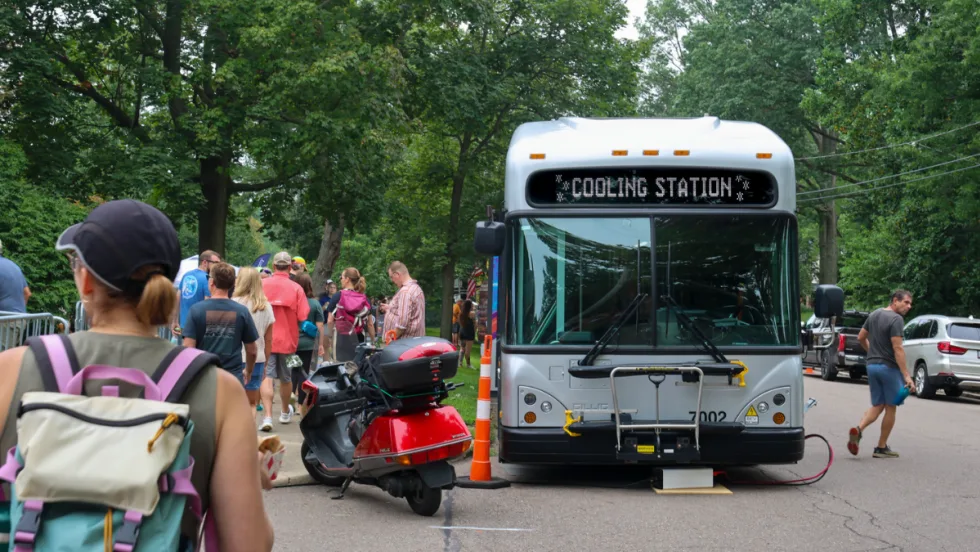
Ohio’s METRO RTA Turns Electric Buses into Mobile Power Sources at PorchROKR
See how three Gillig battery-electric buses powered festival stages while the agency’s new Park & Ride service carried approximately 1,000 attendees, demonstrating another potential use for transit agencies’ electric fleets.
Read More →
CALSTART and Forth Combine to Form Catalyst Mobility
The new name represents a renewed vision for the nonprofit focused on advancing clean, equitable, and affordable transportation solutions that move people and goods.
Read More →
Building a Flexible Path to Transit Electrification
John Hroncich discusses BAE Systems’ modular and scalable approach, lessons learned from decades of real-world operations, and how agencies can identify electrification strategies that fit their fleets.
Read More →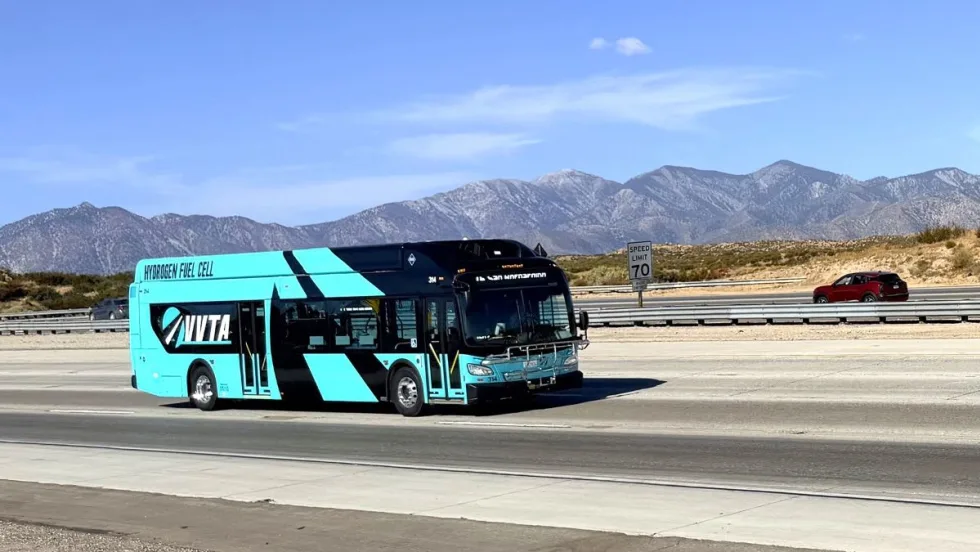
California's VVTA Begins Phased Rollout of Hydrogen Fuel Cell Buses
The agency is introducing 13 zero-emission buses into revenue service while evaluating performance across its urban, rural, and long-distance routes.
Read More →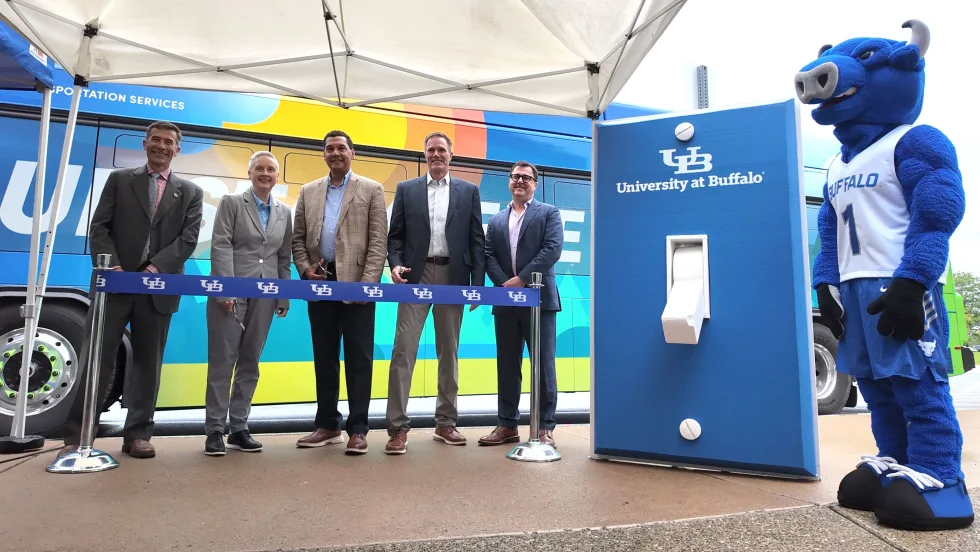
Inside Look: University at Buffalo Puts First 8 Electric Buses Into Stampede Service
UB, transportation solutions provider WeDriveU, and fleet electrification specialist Zenobē marked the deployment in the presence of students, university administrators, and local officials.
Read More →
Biz Briefs: OCTA Taps Clean Energy for Hydrogen Station, Stadler to Supply Via Rail Vehicles, and More
From manufacturers and suppliers to transit agencies and motorcoach operators, these updates offer a snapshot of the projects, partnerships and business moves driving the industry forward.
Read More →
AC Transit’s Cecil Blandon on Building the Next Generation of Transit Maintenance Leaders
The agency’s maintenance chief discusses leadership, workforce development, zero-emission technology, and preparing technicians for the future of public transportation.
Read More →
CTDOT Taps STV for Electric Bus Facility Design
The firm will work with CTDOT and RVT to define the facility layout, operational requirements, and long-term flexibility for RVT’s growing electric fleet.
Read More →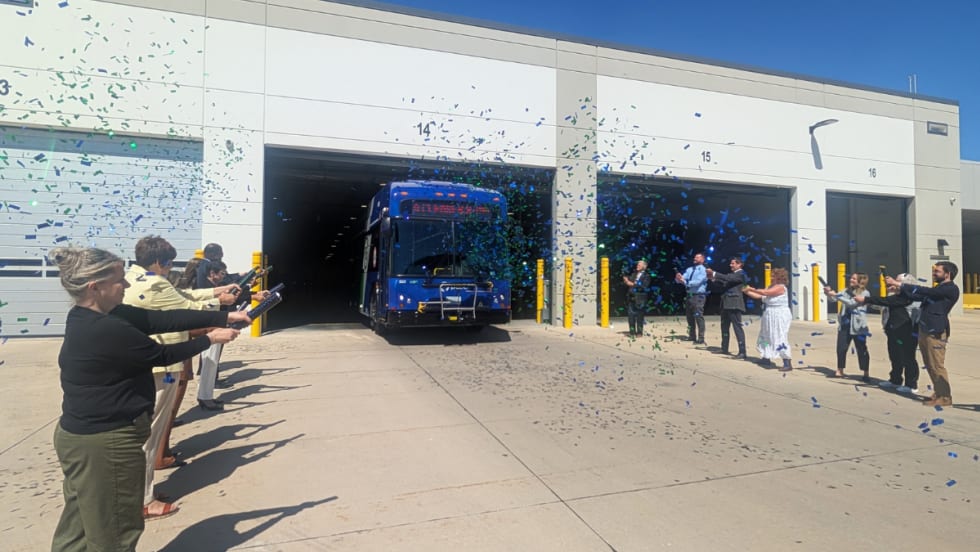
Chicago’s Pace Deploys 24 Hybrid-Electric Buses in Will County
The new buses reduce emissions and fuel consumption while advancing the agency's long-term goal of transitioning to a fully zero-emission fleet.
Read More →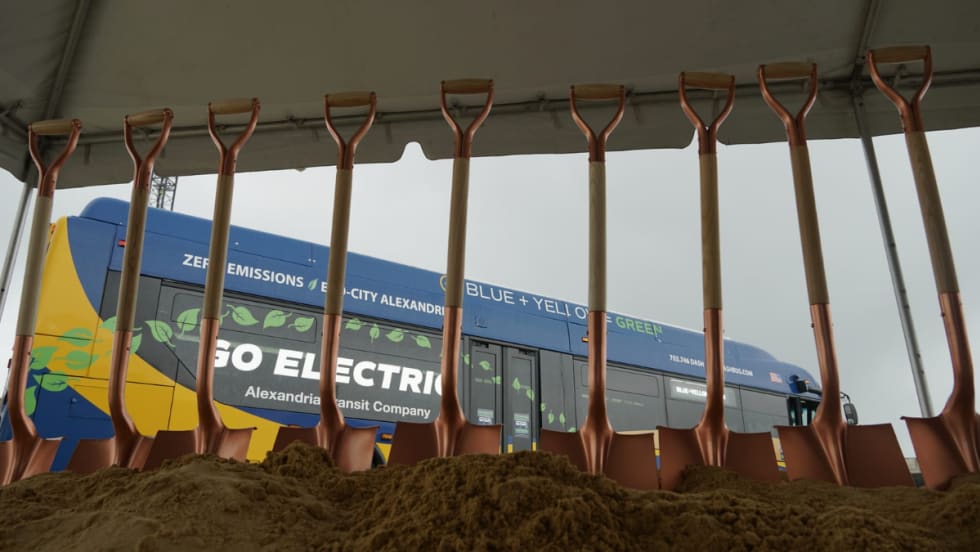
DASH Breaks Ground on First On-Route Electric Bus Chargers in D.C. Region
The fast-charging infrastructure will help extend electric bus range, improve fleet utilization, and support DASH's goal of transitioning to a fully zero-emission fleet.
Read More →