



Senior transit services underfunded, underdeveloped, study says
Because one-third to two-thirds of all elderly people do not live or travel within the obligatory service corridors, study recommends expanding paratransit services to areas where elderly people are living without them.

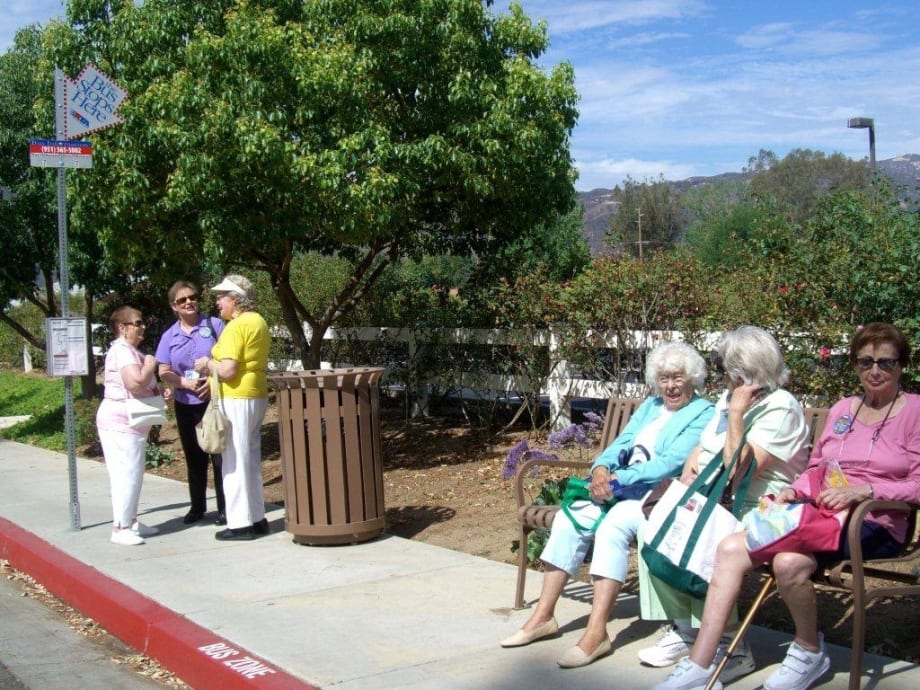
Photo courtesy Riverside Transit Agency

Photo courtesy Riverside Transit Agency
Transportation services for older Americans are underfunded and underdeveloped, according to a new study by the nonprofit group, Urban Institute.
These services are not meeting the needs of older travelers today and will, if unchanged, be even less beneficial in the future, Sandra Rosenbloom the Institute's director of innovation in infrastructure explains in "Roadblocks Ahead for Seniors Who Don't Drive."
"Many people believe that services are in place to provide mobility for older people when they can no longer drive," said Rosenbloom, noting there will be 55 million people over the age of 65 by 2020. "Unfortunately, this is simply not true for the overwhelming majority of older Americans. Putting faith in that kind of future without doing anything to actually make it happen is just perpetrating another scam on the elderly."
Under the Americans with Disabilities Act (ADA) public transit operators must provide door-to-door "paratransit" services on demand to people with disabilities. But these services aren't of much use to older Americans, because they are only for people with serious disabilities; must be offered only in three-quarter-mile wide corridors parallel to existing bus routes, and only during the hours those buses operate; and are so expensive that many transit operators are trying to provide only minimum services.
Paratransit costs nationally rose 197%, to $3.5 billion, between 1999 and 2011. Ridership grew 49%, while the average one-way trip almost doubled from $17.39 in 1999, to $34.59 in 2011.
In 10 locales Rosenbloom reviewed (Philadelphia; Denver; San Diego; Portland, Oregon; Cleveland; Oakland, Calif.; state of Rhode Island; Albuquerque, N.M.; Sarasota, Fla.; and Madison, Wis.), transit operators spend a disproportionate share of their budgets on a very small number of ADA riders, who take, on average, very few trips each month.
For example: the state of Rhode Island, which operates all public transit there, spent almost 17% of its operating budget in 2011 on ADA services for just over 3% of its riders.
The average elderly rider in Denver and Sarasota — the studied cities providing the most ADA service — took less than two roundtrips each month.
Because one-third to two-thirds of all elderly people do not live or travel within the obligatory service corridors, Rosenbloom recommends expanding paratransit services to areas where elderly people are living without them. She also calls for developing services for people not seriously disabled but facing mobility problems and delivering more appropriate public transit options while making it possible for older people to continue driving safely longer.
"To do otherwise," she said, "is to cheat our aging population, and cheat ourselves of the important contributions older people make to our society through continued employment, grandparenting, volunteering, mentoring, and chauffeuring other older people."
RELATED ARTICLE: Check out, "Transitional program alleviates paratransit demand."
More Paratransit
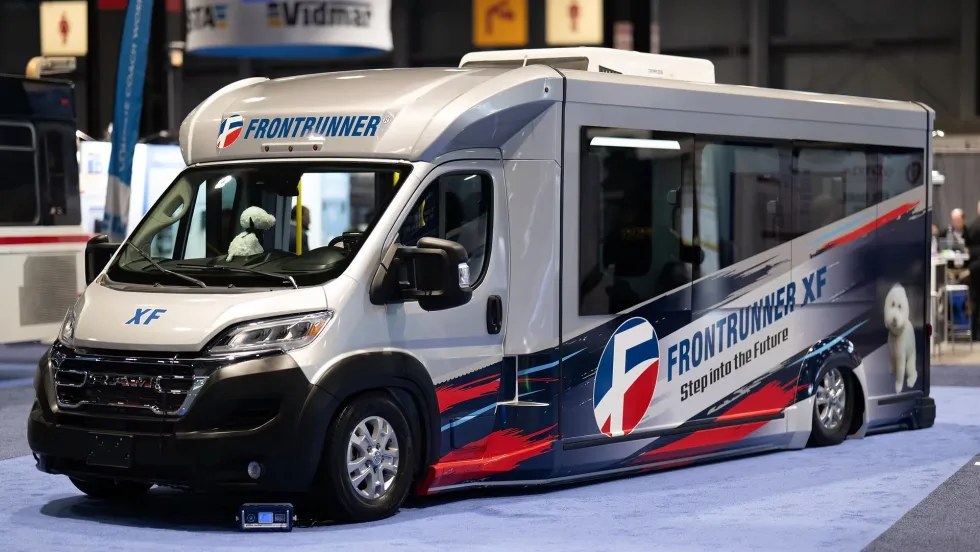
Frontrunner Bus Group Introduces XF Low-Floor Bus with Enhanced Accessibility
The new mid-sized bus features a full flat-floor design, eight-inch curbside step-in height, and zero-entry rear ramp to improve passenger access and operational flexibility.
Read More →
Scenes from APTA TRANSform & EXPO 2026
Transit leaders, manufacturers, and industry professionals gathered in Chicago to explore new technologies, share ideas, and discuss the future of public transportation.
Read More →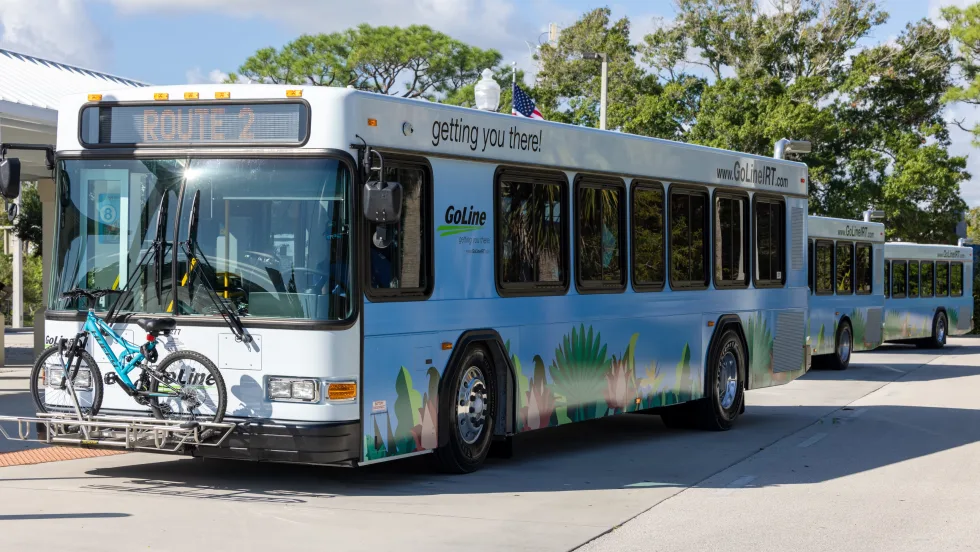
Indian River Transit’s Community-Focused Approach Earns National Recognition
Named APTA’s 2026 Outstanding Public Transportation System in its size category, Florida’s Indian River County transit system continues to grow ridership through fare-free service and a focus on evolving community needs.
Read More →
Everett Transit, Community Transit Outline Consolidation Agreement
The proposed agreement calls for a 50% increase in bus service in Everett, a new microtransit zone, continued paratransit service, and the transfer of Everett Transit operations to Community Transit.
Read More →
Driving Smarter Paratransit
John Hanlon shares how AlphaRoute is leveraging AI-powered technology to help paratransit providers optimize operations, support frontline staff, and enhance the rider experience.
Read More →
People Movement: Dan Dipert Coaches Adds Third-Generation Leader, Keolis Names New Valley Metro VP/GM, and More
In this edition, we also cover recent appointments and announcements at the Wabtec, SilverRide, HNTB, and more, showcasing the individuals helping to shape the future of transportation.
Read More →
Biz Briefs: RIPTA Unveils New Frontrunners, Clevland RTA Adds New Siemens, and More
In METRO's latest installment, we take a look at recent news from Siemens, Prevost, Dodge, and more partnerships making headlines across the transportation sector.
Read More →
King County Metro Makes ADA Paratransit Easier to Navigate
METRO's Innovative Solutions Award winner replaces complex service-area descriptions with an accessible, interactive map that puts paratransit information directly in customers’ hands.
Read More →
Jacksonville’s NAVI Project Charts a New Course for Autonomous Public Transportation
Through its NAVI program, JTA is showing how autonomous vehicles, intelligent infrastructure, and coordinated operations can work together to deliver everyday public transportation.
Read More →
Driving Smarter Paratransit
John Hanlon shares how AlphaRoute is leveraging AI-powered technology to help paratransit providers optimize operations, support frontline staff, and enhance the rider experience.
Read More →