



SEPTA Budget Proposal Includes 45% Service Cuts, 21.5% Fare Increases
The release of the budget comes amid critical negotiations on a statewide transit funding plan introduced in February by Gov. Shapiro that would prevent these dire measures from taking effect.

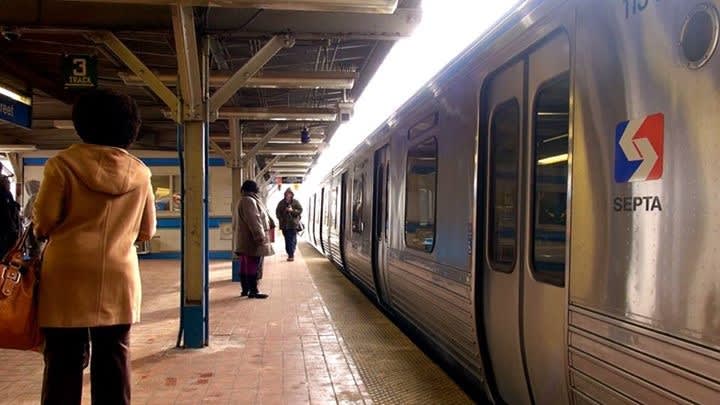
While ridership has recovered over the last few years, SEPTA has had to take on additional costs to address emerging challenges — particularly crime, disorder, and the vulnerable population.
Photo: SEPTA
Philadelphia’s SEPTA released a budget proposal that would require 45% in service cuts — coupled with major fare increases, workforce reductions, and a 9 p.m. curfew for all rail services — to address a massive structural budget deficit during the new fiscal year that starts July 1.
The release of the budget comes amid critical negotiations on a statewide transit funding plan introduced in February by Gov. Shapiro that would prevent these dire measures from taking effect.
SEPTA Budget Would Impact Ridership
Customers would see service cuts, including the elimination of dozens of bus routes and significant reductions in trips on all rail services, beginning with the launch of fall schedules in August.
A fare increase averaging 21.5% for all riders would go into effect Sept. 1, followed on Jan. 1 by the elimination of five Regional Rail lines and the 9 p.m. rail curfew. A total of 50 bus routes would be shut down between Aug. 24 and Jan. 1.
“These cuts to SEPTA’s service — which would hurt our economy and make it harder for hundreds of thousands of Pennsylvanians to get to work, school, and wherever else they need to go — are completely avoidable,” said Gov. Josh Shapiro. “For two years in a row, I have proposed a commonsense plan to support mass transit all across the Commonwealth and last December, I flexed funding to give the legislature more time to come to the table. The state House has passed my proposal three times and plans to do so again next month — it is now squarely on the state Senate to come to the table and pass more funding for mass transit that their own constituents rely on.”
Impact Felt Beyond Day-to-Day Ridership
The impact of the proposed service cuts would be felt throughout the city and region as reliable options for everyday travel to school and work are greatly diminished, but the agency added that the impact would not stop there.
Beyond regular riders, those traveling to games at the Sports Complex and other special events would have to navigate the 9 p.m. curfew for rail services, along with other restrictions. SEPTA would be forced to cease providing additional service to special events, including plans to support the World Cup, the nation’s 250th anniversary celebrations, and other 2026 events.
The effects on businesses — including the region’s healthcare systems that rely on SEPTA to transport employees and patients — would be immediate and far reaching.
In addition, congestion on local roadways would worsen as SEPTA riders switch to driving, and overall, residents’ ability to safely travel across the region would be limited.
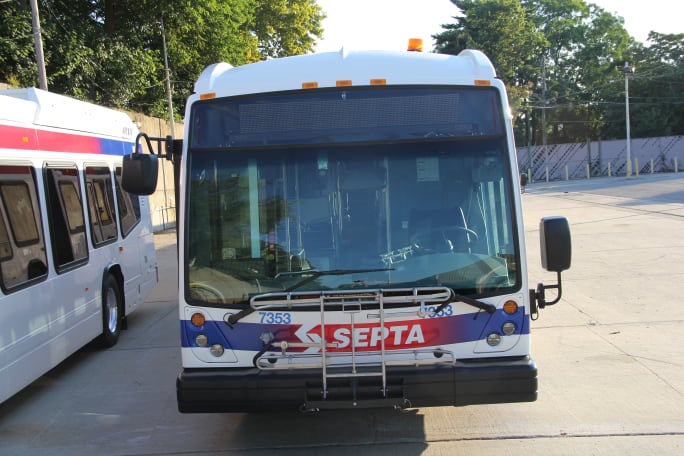
The impact of the proposed service cuts would be felt throughout the city and region as reliable options for everyday travel to school and work are greatly diminished, but the agency added that the impact would not stop there.
Photo: SEPTA
A Trend in Public Transit
Like transit agencies across Pennsylvania and the nation, SEPTA is facing this budget gap due to a combination of the end of federal COVID relief funding and increases in the day-to-day costs of providing service to customers. The federal COVID funds helped SEPTA maintain service for essential workers through the pandemic.
While ridership has recovered over the last few years, SEPTA has had to take on additional costs to address emerging challenges — particularly crime, disorder, and the vulnerable population.
The authority has also had to grapple with the impact of inflation on everyday necessities such as fuel, power, and supplies.
SEPTA has been responding to this funding crisis by cutting costs and generating new revenue. Aggressive austerity measures, including a freeze on management pay and cuts to third-party consultants, have resulted in savings of $30 million.
Other measures, including a 7.5% fare increase and the resumption of paid parking at Regional Rail lots, are generating new revenue. Together, these efforts have helped reduce SEPTA’s budget deficit to a forecasted $213 million for FY2026.
“We know how critical service is to our customers and the region, and we have done everything possible to avoid the drastic measures that are proposed in this budget,” said Interim GM Scott A. Sauer. “We have made significant progress in cutting costs, growing ridership, improving reliability, and delivering on safety and security enhancements. All of that is at risk if we are forced to start dismantling the system.”
Passing a Balanced Budget
Gov. Shapiro provided SEPTA riders with a lifeline last fall when he flexed federal highway funds to fill the current year’s budget gap. That, however, was a one-time measure.
SEPTA is required by law to pass a balanced Operating Budget prior to the start of the new fiscal year on July 1, and the authority’s only options to close such a massive structural deficit are to raise fares and cut costs by eliminating services and reducing the size of its workforce.
SEPTA also released its Capital Budget Proposal for the coming year.
Funding constraints and inflation are impacting SEPTA’s ability to move forward on some improvement efforts. Under the proposal, SEPTA would close the funding gap by deferring dozens of projects and other capital-funded initiatives, which will delay achievement of previous commitments for key priorities like station accessibility.
SEPTA will hold four public hearings about the Proposed Fiscal Year 2026 Operating Budget, as well as the Capital Budget, in May.
The agency said it will thoroughly review all public feedback before the Operating and Capital Budget proposals are sent to the board for a vote on June 26.
More Management

METRO Opens Submissions for 2026 Motorcoach Awards
Nominations are now being accepted for METRO Magazine’s Operator of the Year and Innovative Operator of the Year awards.
Read More →
New York MTA Advances Final Contract for Second Avenue Subway Expansion
Contract Four is the largest in the Second Avenue Subway Phase 2 project and includes construction of station infrastructure, tracks, and signals for the subway expansion, MTA officials said. Work on Contract Four will begin in 2027.
Read More →
Transit Agencies Highlight Safety Gains at National Summit
Leaders from 15 major transit systems shared crime-reduction results and safety initiatives while discussing the role of continued federal support.
Read More →

NITA Names New Leadership, Expands Reduced-Fare Program at First Board Meeting
The new regional transit authority appointed its first board chair and interim executive director while extending reduced fares across CTA, Metra, and Pace for eligible riders.
Read More →
Beyond the Checklist: A Structured Approach to Transit Maintenance
Reliability-Centered Maintenance helps transit agencies move beyond routine checklists to focus limited resources on the assets and failures that have the greatest impact on safety, reliability, and service.
Read More →
APTA 2026 Nominating Committee Selects Leadership Slate, Names Chair and Vice Chair Nominees
Leadership changes will help shape the association’s priorities and its representation of the transportation industry during the 2026–2027 term.
Read More →
DART Launches Major Security, Fare Enforcement Initiative
The 90-day demonstration will deploy coordinated security teams at five light rail stations while testing controlled access and gathering data to guide future investments.
Read More →
Advancing Fare Collection Through Technology and Innovation
Learn about delivering 1300 gates at 91 stations while managing fare evasion. Explore the large scale deployment, solution customization and real-world results that affect the region. Prepare for deployment in your region now.
Read More →
Game Day in Motion: Moving Millions During the 2026 World Cup
Between packed transit stations and team motorcoaches, see how agencies and operators across North America tackled the transportation demands of the 2026 FIFA World Cup.
Read More →
Surface Transportation Extension Averts Shutdown, Leaves Transit Funding Gap
The stopgap keeps federal transportation programs moving, but missing advance funding could complicate the transit and rail projects agencies are planning next.
Read More →