



SEPTA Continues to Enhance Safety & Security Efforts
In fact, according to the new quarterly data, there were reductions in shootings and aggravated assaults compared to the same period last year on Philadelphia’s SEPTA system, with total crime on the system 28% lower than the three-year average preceding 2024.

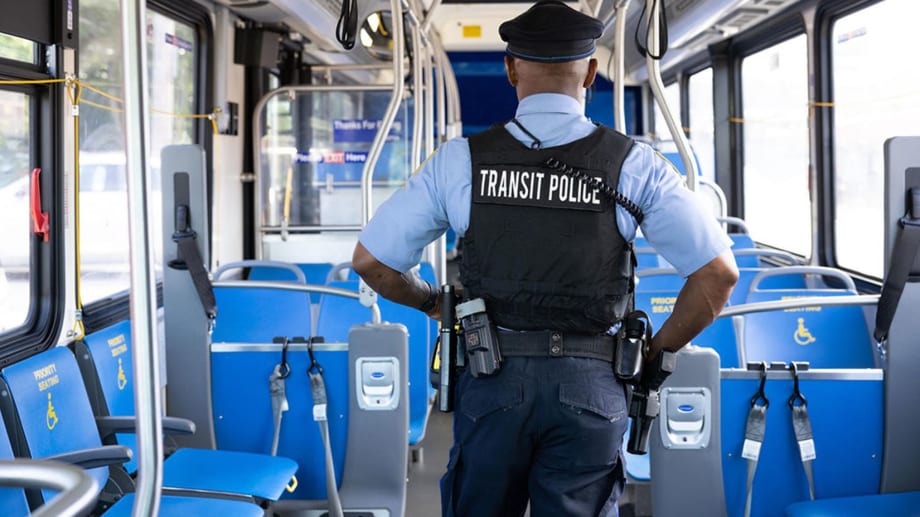
SEPTA continues to hire record numbers of new police officers with 248 uniformed officers on staff — a 27% increase since the end of 2022 and the largest police force in over a decade.
Photo: SEPTA
Despite the funding crisis that SEPTA is facing, the authority has remained focused on improving safety and security on the system. Thanks to these efforts, incidents of crime in most categories held steady during the first quarter of 2025 – following the largest one-year drop in serious incidents ever recorded by the SEPTA Transit Police Department.
In fact, according to the new quarterly data, there were reductions in shootings and aggravated assaults compared to the same period last year on Philadelphia’s SEPTA system, with total crime on the system 28% lower than the three-year average preceding 2024.
“These results are proof that what we are doing is working,” said SEPTA Interim GM Scott A. Sauer. “Safety is SEPTA’s highest value, and over the past three years, we have more than doubled spending on safety, security, and cleaning priorities — demonstrating our commitment to deliver the safest, cleanest, and most reliable service.”
SEPTA Continuing to Grow Resources
SEPTA also continues to hire record numbers of new police officers with 248 uniformed officers on staff — a 27% increase since the end of 2022 and the largest police force in over a decade. An additional 13 officers are expected to graduate from the police academy this June.
SEPTA also continues to combat fare evasion through enhanced policing and new technology and infrastructure. Increased enforcement of fare evasion has yielded broader customer safety benefits with fare evasion citations leading to hundreds of arrests of individuals wanted for other crimes.
“With additional police officers, we can take a data driven approach to fare evasion – evaluating officer interactions, camera footage, and station revenue to determine hot spots for fare evasion, deploy police officers, and remove offenders from the system,” said SEPTA Transit Police Chief Charles Lawson.
SEPTA is installing more full-height fare gates that are designed to prevent fare evaders from jumping over or crawling under turnstiles. These gates proved to be an effective mechanism to deter, detect, and quantify fare evasion during a pilot at 69th Street Transit Center.
SEPTA also Focusing on Cleanliness
Because cleanliness is directly tied to safety and security, SEPTA has hired 100 additional staff in the past year, and the authority now has more than 700 cleaners and maintenance personnel deployed strategically to keep stations and vehicles cleaner and respond to issues as they arise.
New initiatives like “pit crews” that perform mid-route cleaning of Broad Street [B] and Market-Frankford [L] Line cars throughout the service day, and an emphasis on station deep cleaning, are starting to be reflected in improved scores in customer satisfaction surveys.
More Security and Safety

FTA Ends Direct Oversight of MBTA Safety Actions
The federal agency closed its remaining special directive to the Massachusetts Department of Public Utilities following a safety review that began in 2022.
Read More →
Transit Agencies Highlight Safety Gains at National Summit
Leaders from 15 major transit systems shared crime-reduction results and safety initiatives while discussing the role of continued federal support.
Read More →
DART Launches Major Security, Fare Enforcement Initiative
The 90-day demonstration will deploy coordinated security teams at five light rail stations while testing controlled access and gathering data to guide future investments.
Read More →
RTD Launches NextRide App to Consolidate Trip Planning, Fares, Security Reporting
The app expands on RTD’s existing NextRide web application and allows customers to view real-time vehicle locations and service alerts, purchase and store digital fares, and access customer support.
Read More →
TAPTCO Updates OSHA Compliance Training for Transit Maintenance Operations
The revamped program addresses 26 OSHA standards for maintenance facilities, with TAPTCO pointing to training, documentation, and everyday shop hazards as continuing challenges for transit operations.
Read More →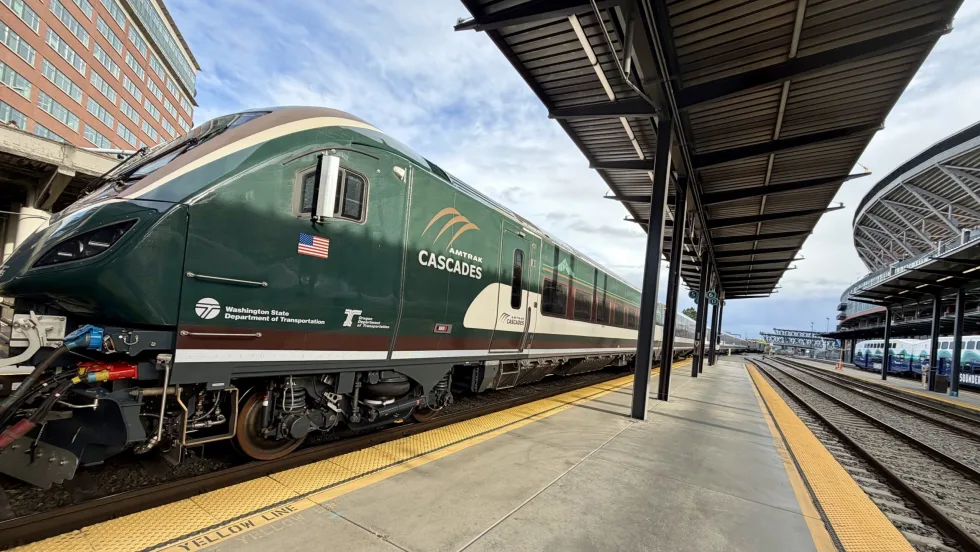
FRA Announces $5.3B in Rail Investments, Including $2B for Amtrak
Funding will support grade-crossing improvements, infrastructure upgrades, and new Amtrak equipment in 23 states.
Read More →
Chicago, Maryland Expand Non-Law-Enforcement Safety, Rider Support
The CTA and MTA are launching new programs aimed at de-escalation, crisis response, rider assistance, and greater transparency.
Read More →
LA Metro, City of West Hollywood, and Partners Advance Smarter Bus Lane Enforcement
The award-winning partnership combines AI-powered detection with human oversight to improve bus reliability, accessibility, and enforcement efficiency.
Read More →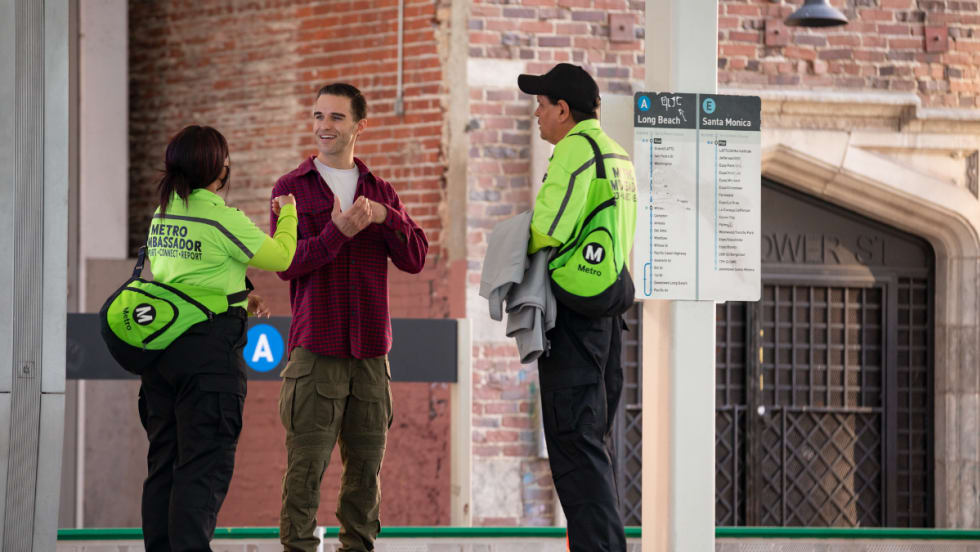
LA Metro Reports 57% Decline in Homelessness on Transit System Since 2024
The agency's latest homelessness count offers new data on how care-based services and cross-sector partnerships can complement traditional transit security strategies.
Read More →
FTA Launches 'Transit Moves America' Dashboard to Highlight Agency Safety and Performance
The online dashboard transforms National Transit Database information into a public-facing resource that allows users to compare transit agencies on key operational and safety metrics.
Read More →