




RELATED: App allows riders to report security, safety issues
SEPTA deploys new enforcement program for fare evasion, violations
Streamlines incident handling process, which will allow for SEPTA Police officers to focus on their core patrol and enforcement duties.
April 5, 2019

SEPTA has started the switch to the new Administrative Enforcement Program, which will be fully implemented system-wide by the end of April.
SEPTA
2 min to read

SEPTA announced a new enforcement program for fare evasion and quality of ride violations that aims to discourage incidents and focus on repeat offenders, while taking a common-sense approach to how cases are handled.
SEPTA police will continue to apprehend individuals who commit summary offenses under the authority's new Administrative Enforcement Program; however, there will be changes in how these violations are processed, and to the fines and penalties.
For an initial offense, instead of issuing a criminal citation and requiring a court hearing, SEPTA Police will process violators administratively and assess a $25 fine.
This streamlines the process for handling these incidents, which frees up more time for SEPTA Police officers to focus on their core patrol and enforcement duties.
It also helps reduce the caseload on the court system, and removes the stigma of a criminal charge for a one-time offender.
Repeat offenders, however, will face bans from the system and criminal charges.
"The new Administrative Enforcement Program delivers a more efficient process for handling these violations. It imposes a reasonable fine to someone who makes a mistake and wants to be able to pay it, move on with their life and not have a criminal charge on their record,” said Chief Thomas Nestel III. “At the same time, it enables us to focus more on chronic offenders — and should send a message to all would-be violators that SEPTA is serious about enforcement."
The policy, which was developed in cooperation with the Philadelphia District Attorney's Office, holds all offenders accountable.
By handling initial offenses administratively, SEPTA police will be able to better track repeat offenders.
The Administrative Enforcement Program also sets clear guidelines on the penalties for individuals who continue to violate fare evasion and quality of ride policies.
An individual who receives four violations and does not pay the fines will be considered a chronic offender and banned from entering SEPTA property or using transit services for one year.
Those who violate this stay-away order will be arrested for misdemeanor defiant trespass.
"We are also looking for ways to further help address the root causes of this behavior," Nestel added. "For individuals who may be struggling with homelessness, addiction, or mental health issues, the remedy issued will focus on the delivery of social service assistance."
SEPTA has started the switch to the new Administrative Enforcement Program, which will be fully implemented system-wide by the end of April.
More Security and Safety
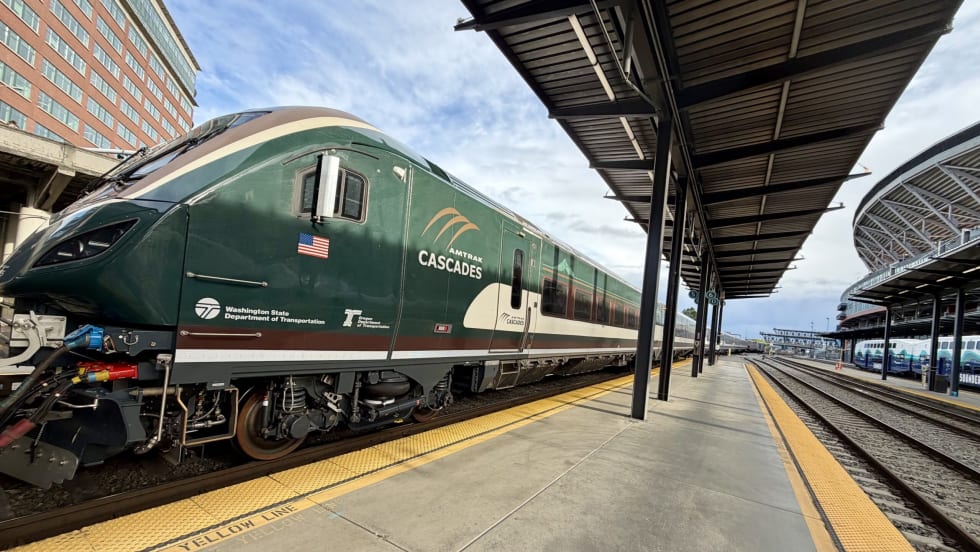
FRA Announces $5.3B in Rail Investments, Including $2B for Amtrak
Funding will support grade-crossing improvements, infrastructure upgrades, and new Amtrak equipment in 23 states.
Read More →
Chicago, Maryland Expand Non-Law-Enforcement Safety, Rider Support
The CTA and MTA are launching new programs aimed at de-escalation, crisis response, rider assistance, and greater transparency.
Read More →
LA Metro, City of West Hollywood, and Partners Advance Smarter Bus Lane Enforcement
The award-winning partnership combines AI-powered detection with human oversight to improve bus reliability, accessibility, and enforcement efficiency.
Read More →
LA Metro Reports 57% Decline in Homelessness on Transit System Since 2024
The agency's latest homelessness count offers new data on how care-based services and cross-sector partnerships can complement traditional transit security strategies.
Read More →
FTA Launches 'Transit Moves America' Dashboard to Highlight Agency Safety and Performance
The online dashboard transforms National Transit Database information into a public-facing resource that allows users to compare transit agencies on key operational and safety metrics.
Read More →
LA Metro Marks Banner Year, Sets Ambitious Goals for New Fiscal Year
Incoming LA Metro Board Chair and Los Angeles Mayor Karen Bass joined outgoing Board Chair Fernando Dutra and LA Metro CEO Stephanie Wiggins to review accomplishments from fiscal year 2026, which included the opening of new rail extensions, advancement of major transit projects, expanded safety programs, and new rider amenities.
Read More →
Building the Next Generation of Transit Technology
In this edition of METROspectives, Luminator CEO Magnus Friberg discusses the company's transformation, the growing role of AI and software, and what's next for transit technology.
Read More →
TTC Launches Camera Pilot to Curb Illegal Passing of Streetcars
During the pilot, the cameras will measure how often illegal streetcar passing occurs and test the technology's reliability for future automated enforcement.
Read More →
Biz Briefs: Masabi Teams with St. Louis Metro and More
In METRO's latest installment, we take a look at recent news from Transdev, Hitachi, and more partnerships making headlines across the transportation sector.
Read More →
Metra Begins Drone Pilot Project to Boost Safety and Security
The project is funded through a $620,000 grant from FEMA’s Transit Security Grant Program, which provides transit agencies with funding for projects intended to protect critical transportation infrastructure and the traveling public.
Read More →