



Siemens unveils new Velaro high-speed train
Running at about 186 miles per hour, the new high-speed train uses 30% less energy than previous Velaro models, which translates to average savings of 1,375 tons of CO2 a year.

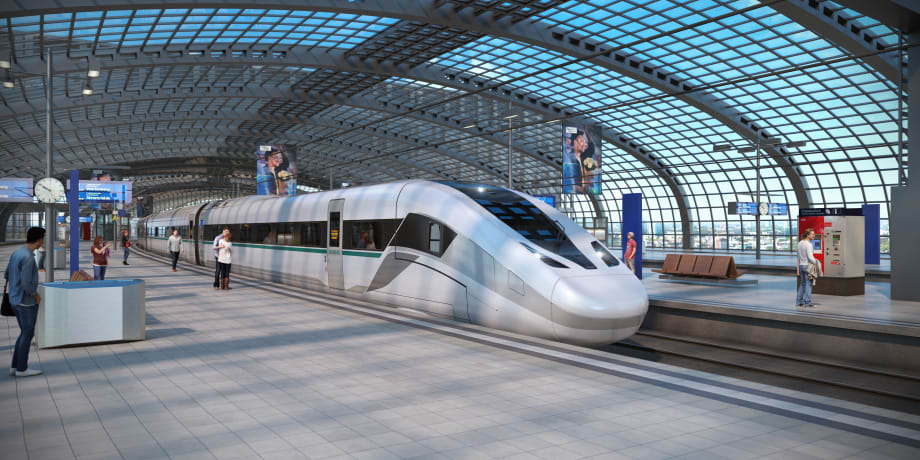
Configuration options like this make the Velaro Novo future-proof and flexible, and the trains can be adapted to an operator’s new needs even after years in operation.
Siemens
Configuration options like this make the Velaro Novo future-proof and flexible, and the trains can be adapted to an operator’s new needs even after years in operation.
Siemens
Siemens is presenting a new concept for high-speed trains at the InnoTrans 2018, the world’s biggest trade fair for rail technology. The Velaro Novo sets new standards for efficiency and sustainability and at the same time offers the highest passenger comfort and convenience, according to the company. Siemens has developed the new high-speed platform for service from approximately 155 miles per hour to approximately 223 miles per hour, throughout the world.
"The Velaro Novo is our answer to global demands in high-speed transport. The new train writes a new chapter in the Velaro's success story and enables operators to offer improved passenger comfort and economy over the train's entire lifecycle. What we are presenting today is the result of five years of development: a platform offering uniquely optimized energy consumption and maintenance costs, as well as maximum flexibility and reliability," says Sabrina Soussan, CEO of the Mobility Division at Siemens.
Running at about 186 miles per hour, the new high-speed train uses 30% less energy than previous Velaro models, which translates to average savings of 1,375 tons of CO2 a year. Thanks to its lightweight construction, the train’s weight was reduced by 15%. At the same time, available space for passengers was increased by 10%. The car body is based on the empty tube concept, meaning that there are no permanent installations inside the car and the interior can be furnished according to customer wishes. Configuration options like this make the Velaro Novo future-proof and flexible, and the trains can be adapted to an operator’s new needs even after years in operation. Maintenance costs are reduced thanks to the integration of state-of-the-art measurement and sensor technology.
Siemens has been testing parts of the new high-speed train since April 2018. The Novo test car, integrated into the ICE S operated by DB Systemtechnik, is currently undergoing test runs throughout Germany.
Siemens previously developed four generations of the Velaro. The trains have been in service since 2000 and are currently operating in Germany, the Netherlands, Belgium, Switzerland, Spain, France, China, Russia, the UK, and Turkey.
Siemens began with the development of the new Velaro Novo concept in 2013 and can place the first trains in service as of 2023.
More Rail
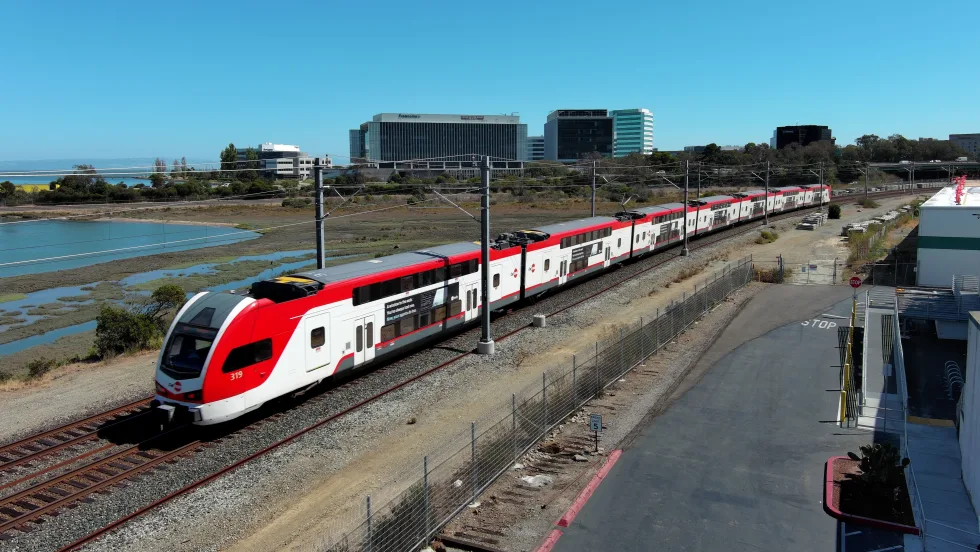
Caltrain’s Electrification Drives a New Era of Ridership Growth
The railroad’s shift to electric service has brought more frequent trains, stronger customer satisfaction, and increased ridership, earning it APTA’s Outstanding Public Transportation System award.
Read More →
FTA Advances $164M Broward County Commuter Rail Project
The proposed 10.5-mile commuter rail extension would connect Fort Lauderdale and Aventura, expanding passenger rail options in South Florida.
Read More →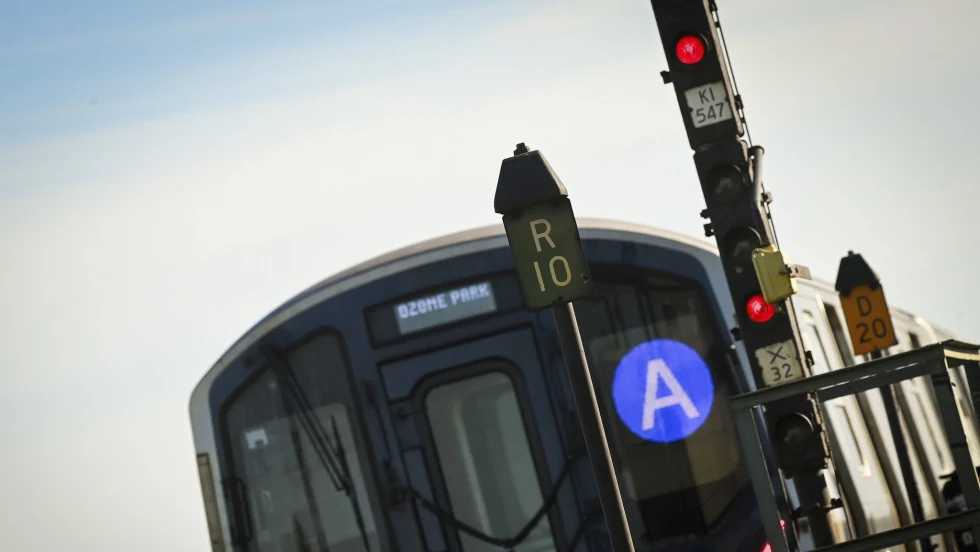
New York MTA Launches Historic $1.9B Signal, Track Modernization Project
Funded in part by congestion pricing revenue, the project will replace nearly century-old signals along the A and C lines in Brooklyn and Queens.
Read More →
LA Metro Breaks Ground on East San Fernando Valley Light Rail Project
The 6.7-mile line will add 11 stations along Van Nuys Boulevard, expand access to jobs and regional transit connections, and support Metro’s broader efforts to improve mobility as rail ridership grows.
Read More →
CSA Group Releases Climate Resilience Standard for Transit, Passenger Rail
Developed with support from the Standards Council of Canada, CSA D700 guides assessing climate-related risks and planning adaptation measures for transit and passenger rail systems.
Read More →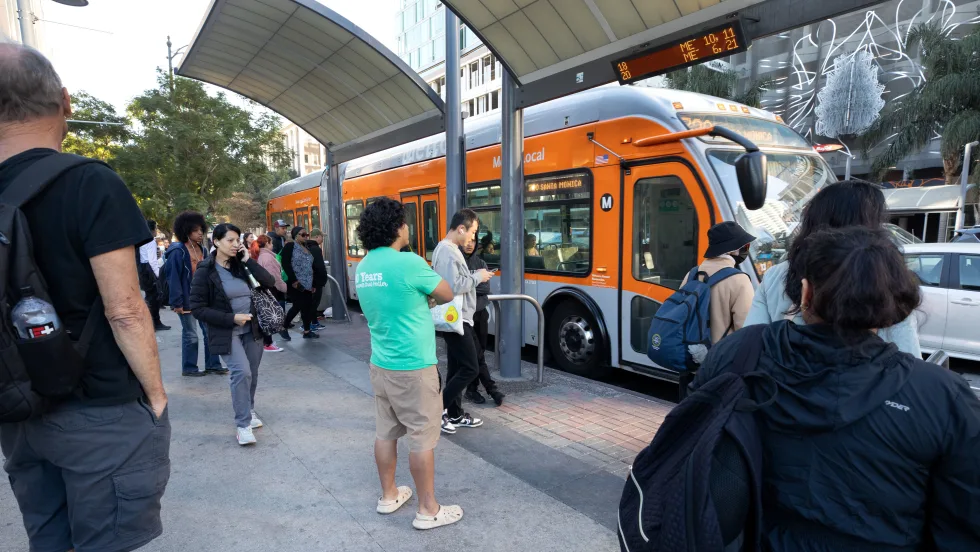
LA Metro September Ridership Climbs 3.9%, Led by Rail Growth
The agency recorded more than 27.2 million boardings, with rail ridership increasing 12.4% year over year and the D Line posting the largest gains.
Read More →
First Full MetroLink Rail Expansion Completed in 20 Years with $192M Airport Project
The project links two St. Louis-area airports by light rail while adding roadway and bike trail connections to improve regional access and mobility.
Read More →
Utilimarc Launches SmartReplace to Optimize Fleet Replacement Decisions
AI-powered SmartReplace helps fleets prioritize vehicle replacements, model budget scenarios, and build more defensible long-term strategies.
Read More →
Scenes from APTA TRANSform & EXPO 2026
Transit leaders, manufacturers, and industry professionals gathered in Chicago to explore new technologies, share ideas, and discuss the future of public transportation.
Read More →
USDOT Awards $416 Million for Florida Rail Crossing Safety Upgrades, New Brightline Station
The projects aim to reduce risks for motorists and pedestrians at rail crossings while expanding passenger rail access along Florida’s Space Coast.
Read More →