



Sound Transit receives first of 152 new Siemens LRVs
The new vehicles are expected to more than triple Sound Transit’s current fleet size of 62 LRVs in service
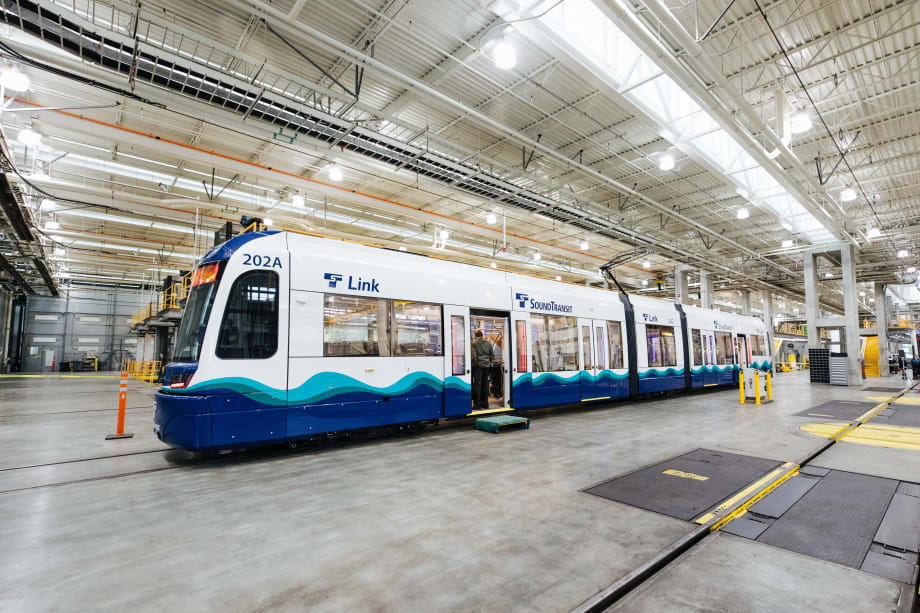
Sound Transit ordered 122 LRVs from Siemens in September 2016, adding another order for 30 more LRVs in April 2017.
Sound Transit
Sound Transit ordered 122 LRVs from Siemens in September 2016, adding another order for 30 more LRVs in April 2017.
Sound Transit
Sound Transit introduced the first of its 152 new Siemens light rail vehicles during an event at its Operations and Maintenance facility in Seattle.
The new vehicles are expected to more than triple Sound Transit’s current fleet size of 62 LRVs in service. The new vehicles will also feature several improvements in on-board systems and passenger experience over the current Kinkisharyo-built fleet.
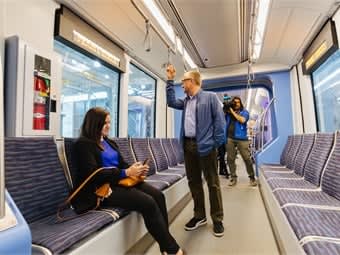
The new vehicles will also feature several improvements in on-board systems and passenger experience over the current Kinkisharyo-built fleet.
Sound Transit
Each of the new vehicles will provide 74 seats, with larger windows, a wider center-car aisle, more seats with space to stow luggage, and four bicycle hooks. Each car will also come equipped with dynamic passenger information displays and LED lighting improvements.
“The new vehicles are critical to meet ridership demand as we move forward aggressively in building our light rail network,” said Sound Transit CEO Peter Rogoff. “These new cars will become backbone of the fleet serving Northgate, Lynnwood, Federal Way, Bellevue, and Redmond in the next five years.”
New Link light rail vehicle arrival from Sound Transit on Vimeo.
Sound Transit ordered 122 LRVs from Siemens in September 2016, adding another order for 30 more LRVs in April 2017. The contract for the two orders totaled $642.5 million.
The arrival of the first Siemens vehicle marks the start of regular delivery of between one and three vehicles per month through 2024. The new cars will undergo extensive testing and commissioning before entering revenue service. The first of the new cars is expected to enter service early next year.
More Rail
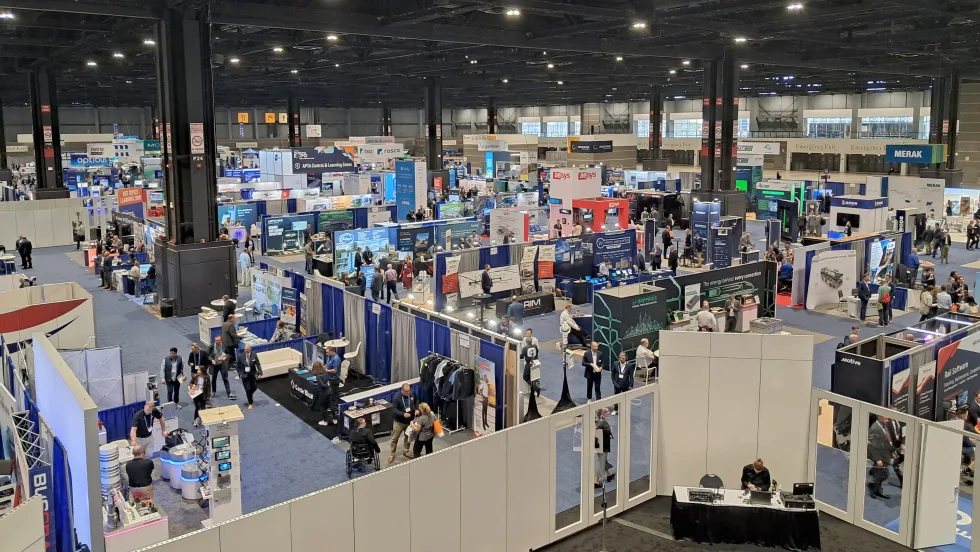
Scenes from APTA TRANSform & EXPO 2026
Transit leaders, manufacturers, and industry professionals gathered in Chicago to explore new technologies, share ideas, and discuss the future of public transportation.
Read More →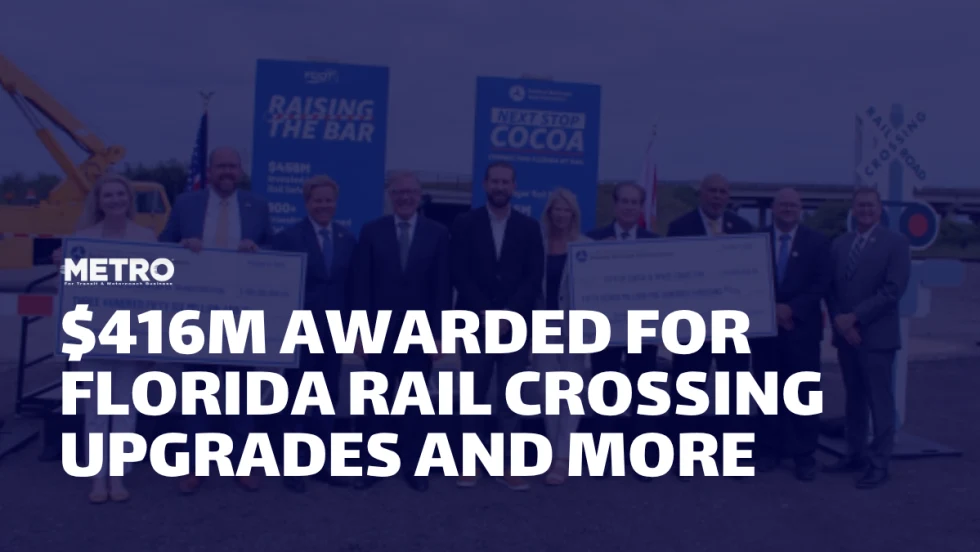
USDOT Awards $416 Million for Florida Rail Crossing Safety Upgrades, New Brightline Station
The projects aim to reduce risks for motorists and pedestrians at rail crossings while expanding passenger rail access along Florida’s Space Coast.
Read More →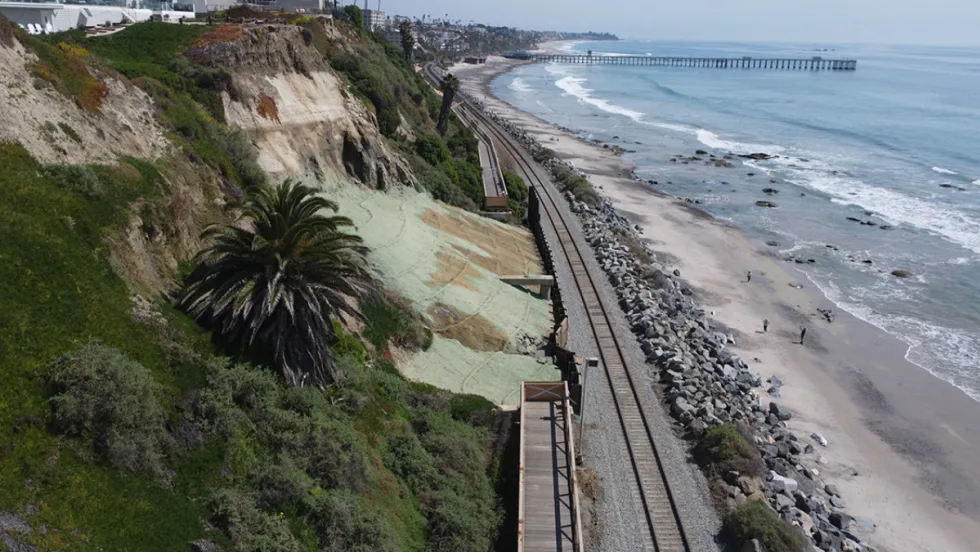
OCTA Declares Emergency to Protect Rail Corridor From Coastal Erosion
The California agency is accelerating shoreline protection and plans to place approximately 690,000 cubic yards of sand along the San Clemente coast to protect a key passenger and freight rail link.
Read More →
More Than a Summer Job: Building the Next Generation of Transit Talent
The Delaware River Port Authority and PATCO have transformed their internship program into a hands-on professional development experience that introduces students to the breadth of transportation careers — and creates a pipeline for future employees.
Read More →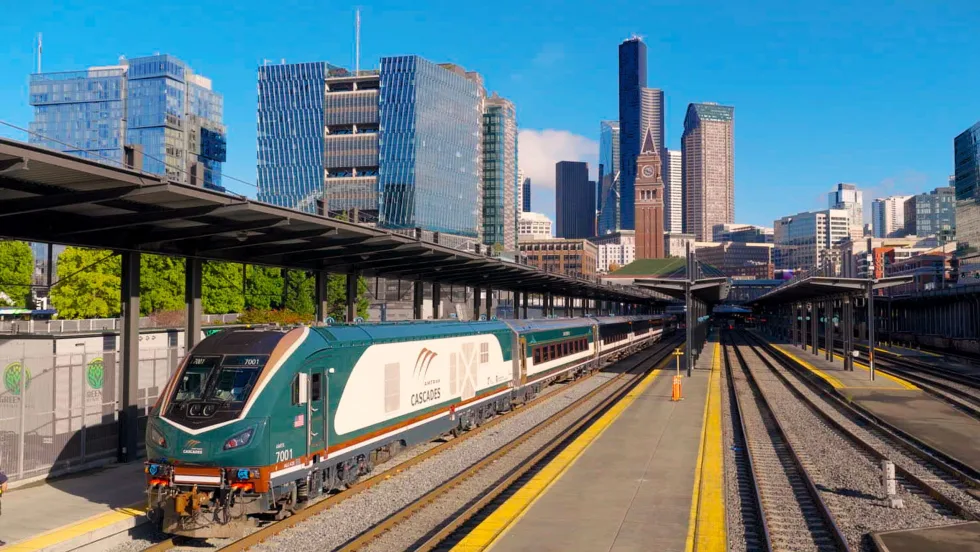
Airo Trains Make Their Amtrak Cascades Debut in the Pacific Northwest
Effective immediately, two cutting-edge Airo trainsets will join the Amtrak Cascades route, operating four daily trips between Vancouver, B.C., Seattle, Portland, and Eugene, Oregon, marking the first introduction of Airo trains into passenger service anywhere in the country.
Read More →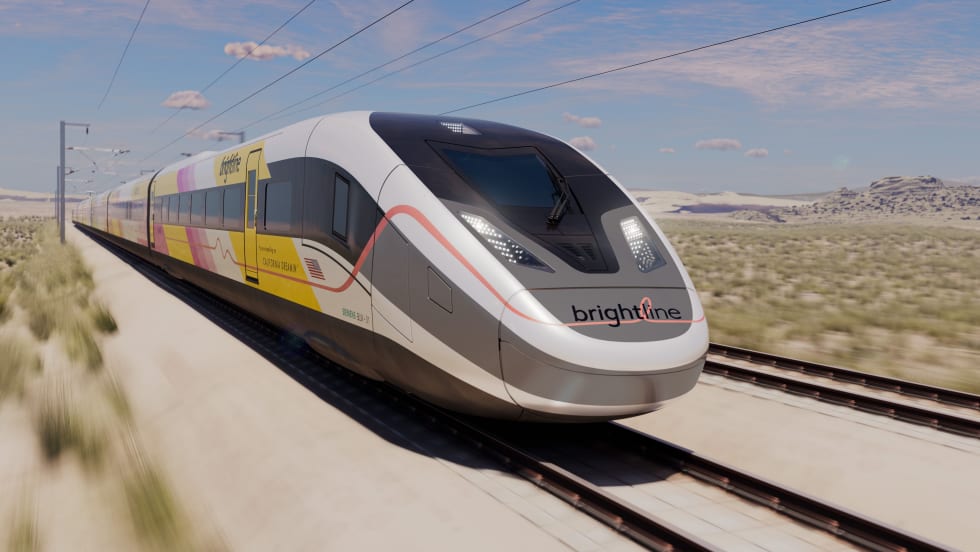
Florida's Brightline Announces Financial Restructuring
Brightline Florida says train operations will continue as normal as certain parent entities enter Chapter 11 and financial stakeholders provide $490 million in new long-term capital.
Read More →
ENC Lands MATA Contract and More in Biz Briefs
In this edition of Biz Briefs, we spotlight the latest developments shaping the future of mobility.
Read More →
Strada360’s Steve Lassey on Turning Transit Data Into Better Decisions
From breaking down data silos to preparing for AI, Strada360 CEO Steve Lassey discusses how transit agencies can use technology to improve operations, customer information, and long-term decision-making.
Read More →
SEPTA Details Accelerate Vision for Transit System
The plan outlines investments in trolley modernization, new Metro and Regional Rail vehicles, accessible stations, and more frequent bus and rail service.
Read More →
FTA Ends Direct Oversight of MBTA Safety Actions
The federal agency closed its remaining special directive to the Massachusetts Department of Public Utilities following a safety review that began in 2022.
Read More →