



St. Louis Metro, partners launch new TOD project
The $11 million development introduces senior apartment living adjacent to the Swansea MetroLink Station in Swansea, Ill.

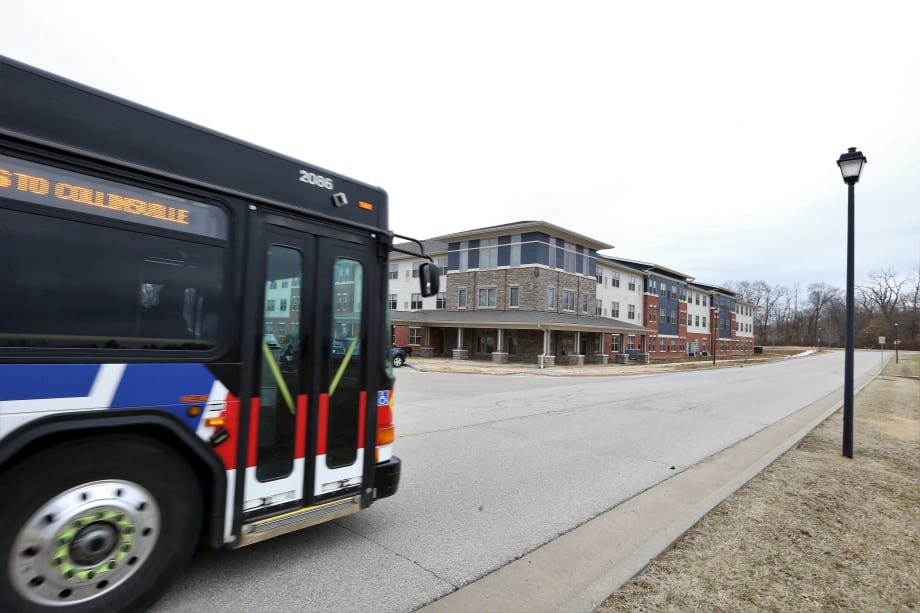
The Swansea Station is also located on the popular MetroBikeLink trail, so residents have the added bonus of being able to utilize the trail for exercise and recreation.
St. Louis Metro
The Swansea Station is also located on the popular MetroBikeLink trail, so residents have the added bonus of being able to utilize the trail for exercise and recreation.
St. Louis Metro
Southwestern Illinois Development Authority (SWIDA) and Bywater Development Group joined with Bi-State Development and other key stakeholders and guests for the official ribbon cutting celebrating the grand opening of Metro Landing of Swansea. The $11 million, transit-oriented development (TOD) introduces senior apartment living adjacent to the Swansea MetroLink Station in Swansea, Ill., and has opened to strong demand.
More than 40 of the 62 affordable one- and two-bedroom units have already been leased, and the property is on track to be full occupied before the end of March.
Located next to the Swansea MetroLink Station, the three-story Metro Landing of Swansea caters to adults seeking an independent lifestyle at an affordable cost. Residents will have car-free transportation options via MetroLink and MetroBus to conveniently access restaurants, retail, entertainment venues, recreational locations, employment centers, and medical facilities throughout the bi-state region. The Swansea Station is also located on the popular MetroBikeLink trail, so residents have the added bonus of being able to utilize the trail for exercise and recreation.
SWIDA and Bywater, which jointly developed the project, secured the majority of the financing from the Illinois Housing Development Authority, with additional construction financing provided by PNC Bank. Additional support came from the Illinois Department of Commerce and Economic Opportunity and Ameren, along with the St. Clair County Intergovernmental Grants Department.
The Federal Transit Administration also played a pivotal role in the project, providing the necessary approval for Bi-State Development to sell the ground at the transit center to the developers for this project.
More Paratransit

Biz Briefs: RIPTA Unveils New Frontrunners, Clevland RTA Adds New Siemens, and More
In METRO's latest installment, we take a look at recent news from Siemens, Prevost, Dodge, and more partnerships making headlines across the transportation sector.
Read More →
King County Metro Makes ADA Paratransit Easier to Navigate
METRO's Innovative Solutions Award winner replaces complex service-area descriptions with an accessible, interactive map that puts paratransit information directly in customers’ hands.
Read More →
Jacksonville’s NAVI Project Charts a New Course for Autonomous Public Transportation
Through its NAVI program, JTA is showing how autonomous vehicles, intelligent infrastructure, and coordinated operations can work together to deliver everyday public transportation.
Read More →
Driving Smarter Paratransit
John Hanlon shares how AlphaRoute is leveraging AI-powered technology to help paratransit providers optimize operations, support frontline staff, and enhance the rider experience.
Read More →
METRO Magazine Announces 2026 Innovative Solutions Awards Winners
Projects Recognized for Advancing Mobility Through Technology, Accessibility, Workforce Innovation, and Operational Excellence
Read More →
Biz Briefs: STV teams with Amtrak, Motorcoach Operators Boost Fleet and Land Contracts, and More
From manufacturers and suppliers to transit agencies and motorcoach operators, these updates offer a snapshot of the projects, partnerships and business moves driving the industry forward.
Read More →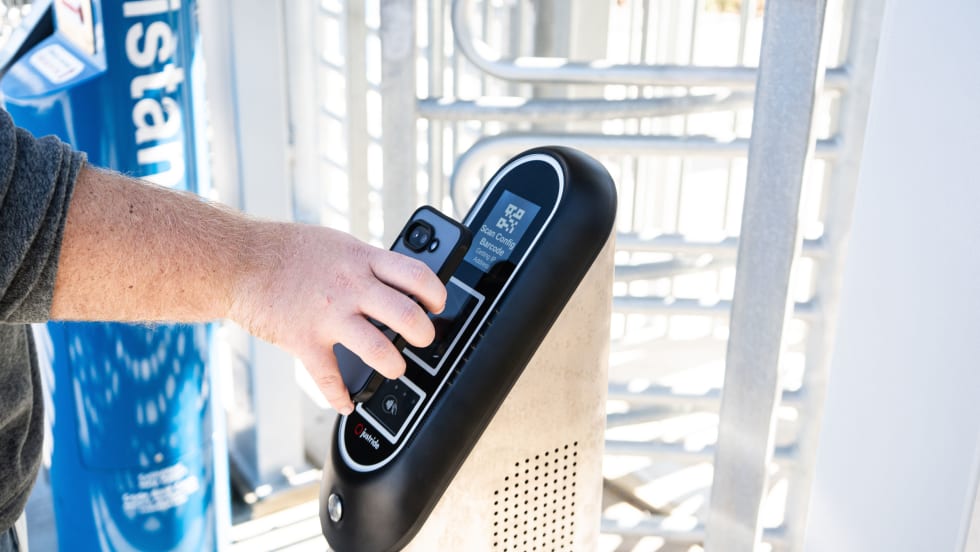
Biz Briefs: Masabi Teams with St. Louis Metro and More
In METRO's latest installment, we take a look at recent news from Transdev, Hitachi, and more partnerships making headlines across the transportation sector.
Read More →
New York MTA Leverages Zoning Program to Advance Station Accessibility
Accessibility enhancements at Nevins St Station will be financed through a development agreement tied to the MTA's Zoning for Accessibility initiative.
Read More →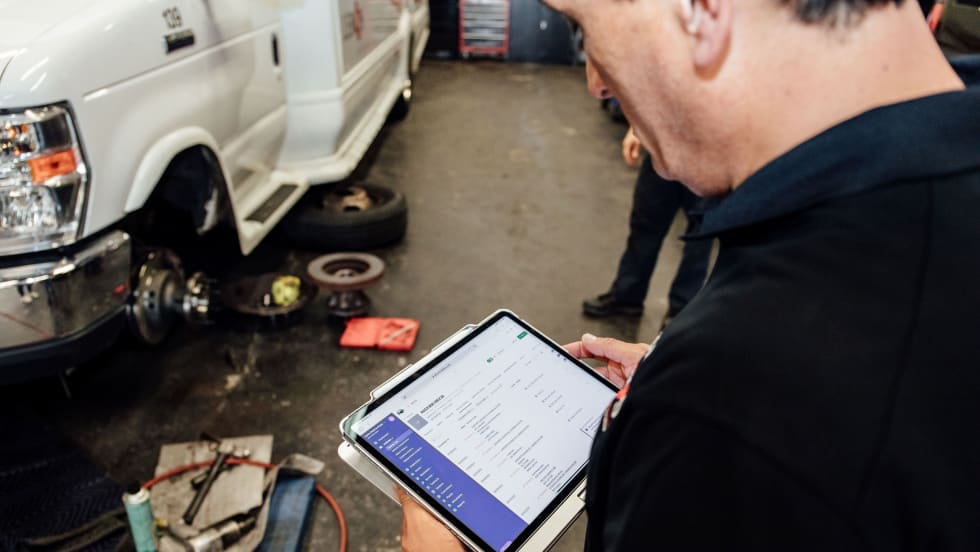
Reinventing Fleet Maintenance with Real-time Visibility and AI
Transit leaders need to know what needs fixing, where to look, who is responsible, when work is completed, and what it costs without having to chase information across disconnected systems.
Read More →
SamTrans Sets Priorities for Potential Connect Bay Area Revenue
The board-approved framework allocates future funding to maintaining service, rider improvements, equity initiatives, and infrastructure repairs.
Read More →