



Stantec-Designed NYC Transit Improvements Open for Public Use
The East Side Access project, which extends the LIRR from Queens to Grand Central, is scheduled for completion in 2022 and is expected to bring up to 160,000 additional commuters to this bustling transit area each day.
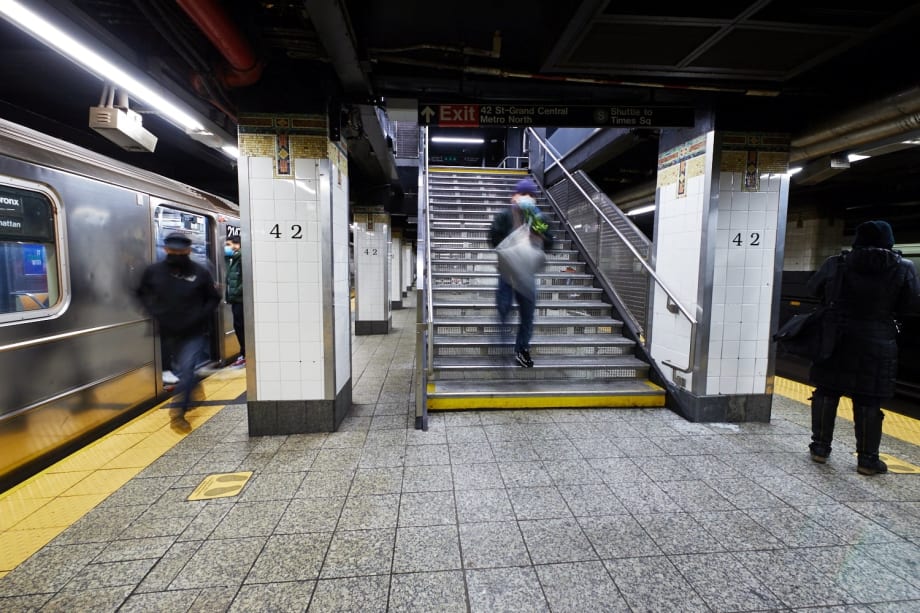
As part of a unique public-private partnership, these transit improvements will ease the commute and improve the experience for the estimated 750,000 people that passed through the adjacent Grand Central Terminal daily before the pandemic.
Stantec
The completion of One Vanderbilt Avenue, which joins the world’s most recognizable skyline as the second tallest office tower in New York City at 1,401 feet, also marks a significant milestone for the Midtown transit system. All components of One Vanderbilt’s $220 million transit improvement project, designed by Stantec and funded by SL Green, are now complete and open to the public.
As part of a unique public-private partnership, these transit improvements will ease the commute and improve the experience for the estimated 750,000 people that passed through the adjacent Grand Central Terminal daily before the pandemic. Furthermore, the East Side Access project, which extends the Long Island Rail Road (LIRR) from Queens to Grand Central, is scheduled for completion in 2022 and is expected to bring up to 160,000 additional commuters to this bustling transit area each day.
Infrastructure improvements include a 14,000 square foot pedestrian plaza on Vanderbilt Avenue between Grand Central and One Vanderbilt. Inside the tower, a 4,000 square foot public transit hall and series of below-grade ADA-accessible concourses and corridors provide new and enhanced connections to the Metro-North Railroad, the shuttle to Times Square, and future access to the LIRR station as part of the East Side Access project. The new transit hall’s flow and high-end finishes of stone, tile, glass, and metals echo the distinctive interiors of Grand Central and its clearly organized, airy open spaces.
The long-shuttered passageway between Grand Central and the Socony-Mobil Building has also re-opened with the addition of two street-level subway entrances and a new entrance to the 42nd Street subway station on the southeast corner of 42nd Street and Lexington Avenue. Circulation space on the subway platforms and mezzanine has been increased by 37%, providing commuters more room to socially distance and allowing for increased capacity once transit use rebounds to pre-pandemic levels. Enhanced finishes, additional turnstiles and gates, new stairways, escalators, and an ADA-accessible elevator have been added to ease congestion and improve transfers and the overall transit experience in the third busiest station in the New York City subway system.
Stantec’s scope of work included: preparation of all transit-related designs (including those for meeting ADA compliance), coordination of approvals between multiple MTA agencies, coordination with city code enforcement on fire and life safety measures, and collaboration with stakeholders to ensure full integration between the new tower, Grand Central Terminal, the 42nd Street subway station, and the Grand Hyatt New York Hotel.
More Management
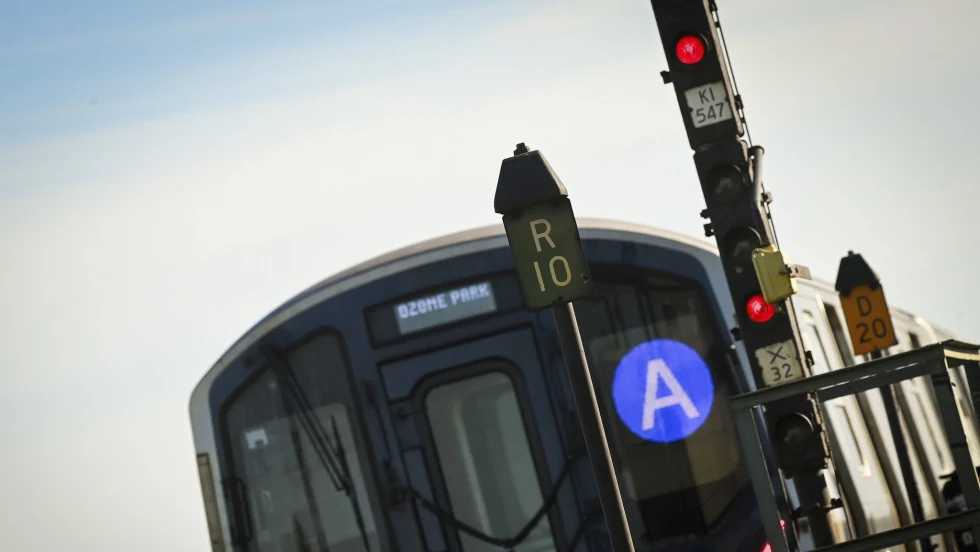
New York MTA Launches Historic $1.9B Signal, Track Modernization Project
Funded in part by congestion pricing revenue, the project will replace nearly century-old signals along the A and C lines in Brooklyn and Queens.
Read More →
Brian Dickson on Building Stronger, More Resilient Transportation Organizations
Bus Business Consultants Founder Brian Dickson discusses the leadership principles, operational discipline, and strategic planning that separate transportation companies positioned for long-term success from those stuck in survival mode.
Read More →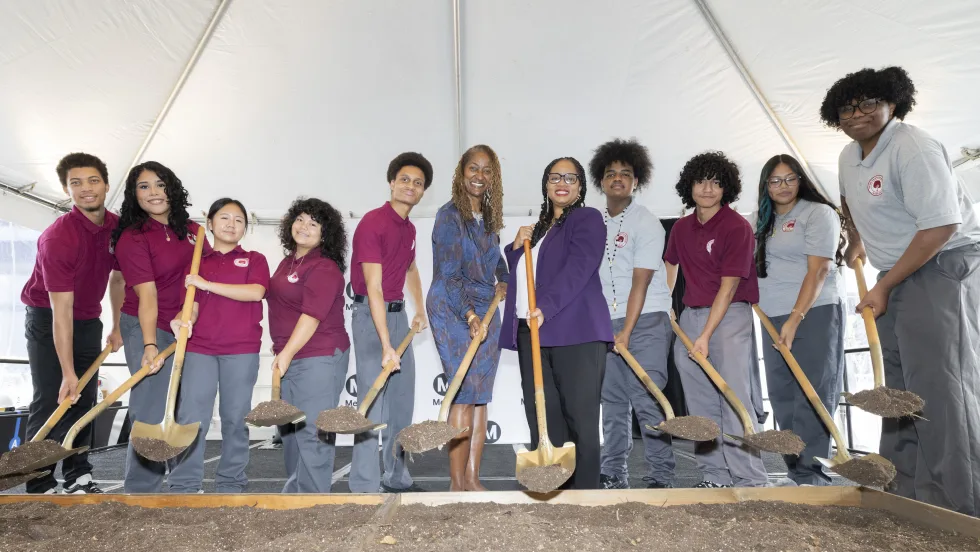
LA Metro Breaks Ground on Vermont BRT Project
The 12.4-mile corridor is projected to serve 66,200 daily riders, reduce travel times by up to 24%, and create the nation's busiest bus rapid transit corridor.
Read More →
Building Stronger Leaders, More Resilient Transit Teams
Dr. Carol Parker Walsh discusses leadership development, employee retention, workplace culture, and preparing transit’s workforce for AI and automation.
Read More →
Roman Cornell on ABC Companies’ Evolution and the Future of Passenger Transportation
The company’s CEO discusses carrying forward a third-generation family legacy, ABC’s continued evolution in passenger transportation, support for increasingly complex fleets, and how technology and continued investment could help operators improve uptime.
Read More →
CATS Launches West Charlotte Microtransit Zone, Expands Transit Services
The new microtransit zone connects residents to key destinations as Charlotte Area Transit System rolls out the first phase of its 2055 Transit System Plan.
Read More →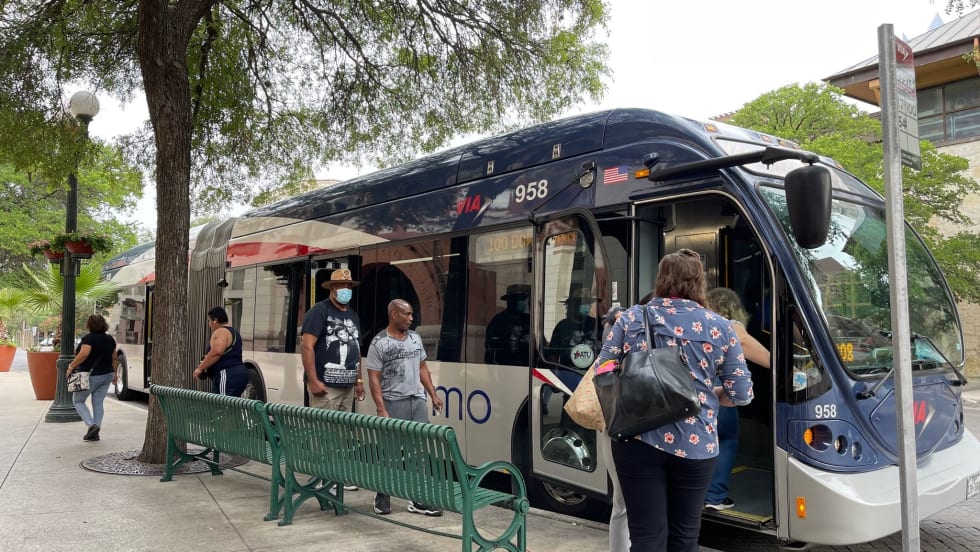
VIA Bus Ridership Grows 10.1% Through August 2026
San Antonio's VIA Metropolitan Transit reported the highest bus ridership growth among major Texas transit systems. Federal Transit Administration data ranked it second among the nation's 50 largest transit systems.
Read More →
CSA Group Releases Climate Resilience Standard for Transit, Passenger Rail
Developed with support from the Standards Council of Canada, CSA D700 guides assessing climate-related risks and planning adaptation measures for transit and passenger rail systems.
Read More →
ETA CEO John Maglio on Transit Technology, Innovation, and Building Agency Trust
ETA founder and CEO John Maglio explores the evolution of transit technology, the importance of reliable systems, and how stronger partnerships can help agencies improve operations and the passenger experience.
Read More →
COTA Launches First Customer Experience Action Plan to Improve Transit Service
The new plan outlines improvements to service reliability, accessibility, communication, and the overall rider experience across Central Ohio's transit system.
Read More →