




Read More: Transitioning to an Electric Fleet: A Strategic Approach
Study Highlights Grid Transformation Needed for EV Fleets
The study, “The Road to Transportation Decarbonization: Readying the Grid for Electric Fleets,” builds on a 2021 collaborative study conducted by National Grid and Hitachi Energy.
September 12, 2023
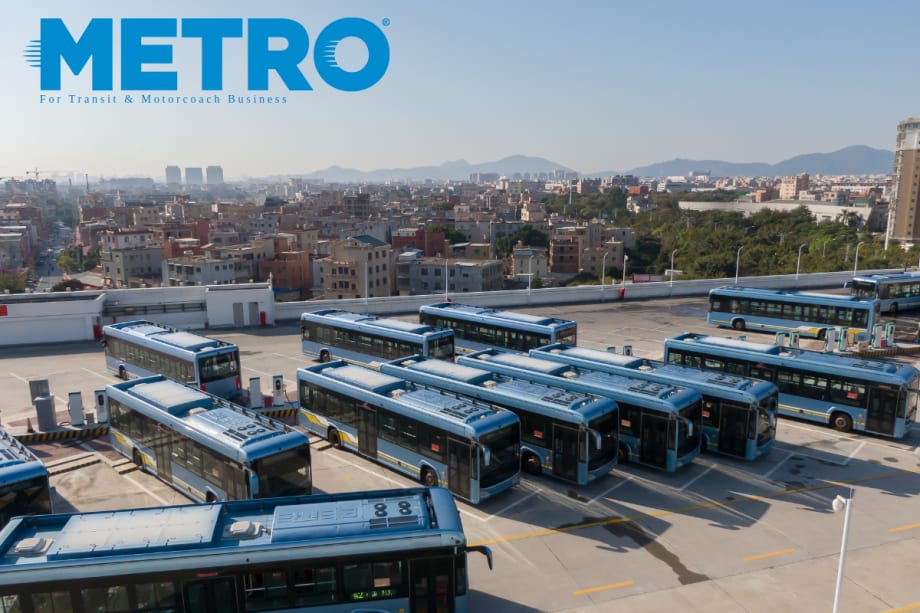
The latest study provides insight into what is needed from utilities and external stakeholders, including state and local government, businesses, and communities, as electrification of fleet vehicles ramps up in the coming years.
Photo: Canva
3 min to read
National Grid and Hitachi Energy released a new study that emphasizes the need for proactive planning and strategic investment to ensure the grid is primed for electrification of medium and heavy-duty vehicles (MHDVs) like buses, trucks, and vans.
Details of the 2023 Study
The study, “The Road to Transportation Decarbonization: Readying the Grid for Electric Fleets,” builds on a 2021 collaborative study conducted by the two companies.
The latest study provides insight into what is needed from utilities and external stakeholders, including state and local government, businesses, and communities, as electrification of fleet vehicles ramps up in the coming years.
While the 2021 study evaluated total electric load growth associated with the electrification of over 50 fleets in one city in National Grid’s service area in the Northeast, the study provides a zoomed-in view of electrification’s impacts on a specific community.
By focusing on this case study line, or feeder, the analysis from National Grid and Hitachi Energy provides valuable snapshots of how the phased introduction of electric vehicles will impact grid infrastructure over time.
The study reveals that when just 10% of current MHDVs electrify, peak electric demand on the case study feeder will nearly double.
When one-third of MHDVs electrify, the line will exceed its rating, and utility solutions will be required to enable further electrification.
The study demonstrates how three different infrastructure strategies – electric network reconfiguration, multi-value grid infrastructure upgrades, and non-wires solutions – can meet the identified needs.
The case study feeder is what the study identifies as an “Area of Capacity” since it has more headroom than 75% of the distribution lines in National Grid’s territory. It can accommodate an MHDV charging load without major upgrades.
Other “Areas of Need” will have grid headroom constraints or contingency requirements, and the three grid infrastructure strategies allow readers to apply study insights to these areas.
“Since we formed our partnership and released our first study together, the pace of fleet electrification has only accelerated,” said Reihaneh Irani-Famili, vice president of Clean Energy Development at National Grid New England. “As the grid is called upon to power transit agencies, school buses, and local businesses, we will be in a race to ensure we have a smarter, stronger, cleaner grid and infrastructure so that we can be ready ahead of need. This case study further demonstrates how an optimized, proactive approach to infrastructure planning can help us accelerate early adoption and pave the road for continued MHDV electrification, which will benefit communities and commerce and protect our shared climate.”
What the Study Calls For
The study indicates that to maximize efficiency and reduce costs, utilities should consider each location’s near and long-term needs and existing capacity on the grid.
In doing so, utilities can support early electrification in Areas of Capacity with minimal cost while targeting investment to Areas of Need, ensuring no community is left behind.
The study calls for a coordinated response including utilities, regulators, businesses, communities, and others to meet the forthcoming challenges.
The study suggests that regulatory and planning structures must evolve to accommodate MHDV electrification, and new partnerships must arise to support the electrification journey.
National Grid recently submitted a Future Grid plan in Massachusetts to implement wide-scale upgrades in the state that would improve network infrastructure, implement new technology and platforms, and install new customer programs to provide more customer choice and control.
The Future Grid plan is intended to upgrade the grid to enable, among other benefits, the ability to charge 1.1 million EVs by 2030.
In New York, National Grid is active in a new regulatory proceeding established to address the grid demands of MHDV charging. In both states, National Grid supports its customers in installing EV charging through make-ready incentives, fleet assessments, and rate options.
More Zero Emissions
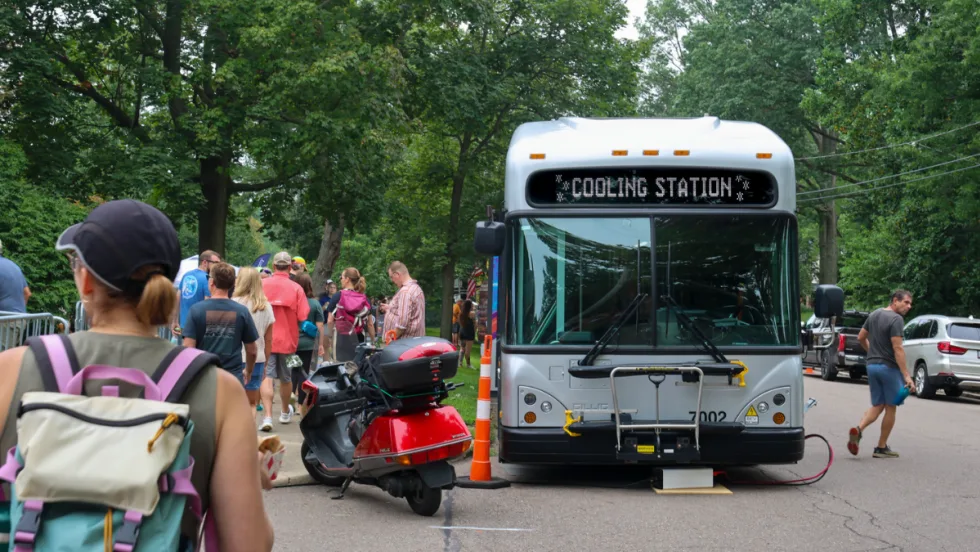
Ohio’s METRO RTA Turns Electric Buses into Mobile Power Sources at PorchROKR
See how three Gillig battery-electric buses powered festival stages while the agency’s new Park & Ride service carried approximately 1,000 attendees, demonstrating another potential use for transit agencies’ electric fleets.
Read More →
CALSTART and Forth Combine to Form Catalyst Mobility
The new name represents a renewed vision for the nonprofit focused on advancing clean, equitable, and affordable transportation solutions that move people and goods.
Read More →
Building a Flexible Path to Transit Electrification
John Hroncich discusses BAE Systems’ modular and scalable approach, lessons learned from decades of real-world operations, and how agencies can identify electrification strategies that fit their fleets.
Read More →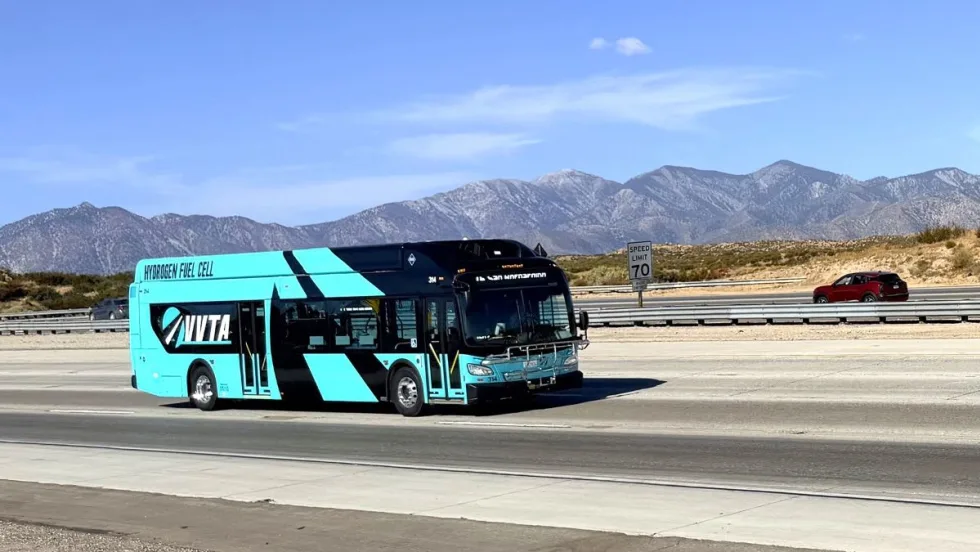
California's VVTA Begins Phased Rollout of Hydrogen Fuel Cell Buses
The agency is introducing 13 zero-emission buses into revenue service while evaluating performance across its urban, rural, and long-distance routes.
Read More →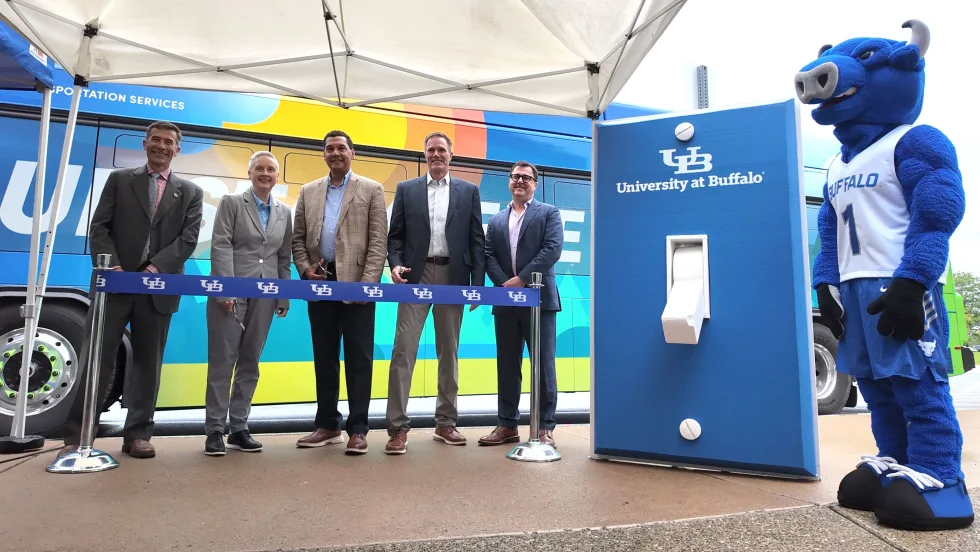
Inside Look: University at Buffalo Puts First 8 Electric Buses Into Stampede Service
UB, transportation solutions provider WeDriveU, and fleet electrification specialist Zenobē marked the deployment in the presence of students, university administrators, and local officials.
Read More →
Biz Briefs: OCTA Taps Clean Energy for Hydrogen Station, Stadler to Supply Via Rail Vehicles, and More
From manufacturers and suppliers to transit agencies and motorcoach operators, these updates offer a snapshot of the projects, partnerships and business moves driving the industry forward.
Read More →
AC Transit’s Cecil Blandon on Building the Next Generation of Transit Maintenance Leaders
The agency’s maintenance chief discusses leadership, workforce development, zero-emission technology, and preparing technicians for the future of public transportation.
Read More →
CTDOT Taps STV for Electric Bus Facility Design
The firm will work with CTDOT and RVT to define the facility layout, operational requirements, and long-term flexibility for RVT’s growing electric fleet.
Read More →
Chicago’s Pace Deploys 24 Hybrid-Electric Buses in Will County
The new buses reduce emissions and fuel consumption while advancing the agency's long-term goal of transitioning to a fully zero-emission fleet.
Read More →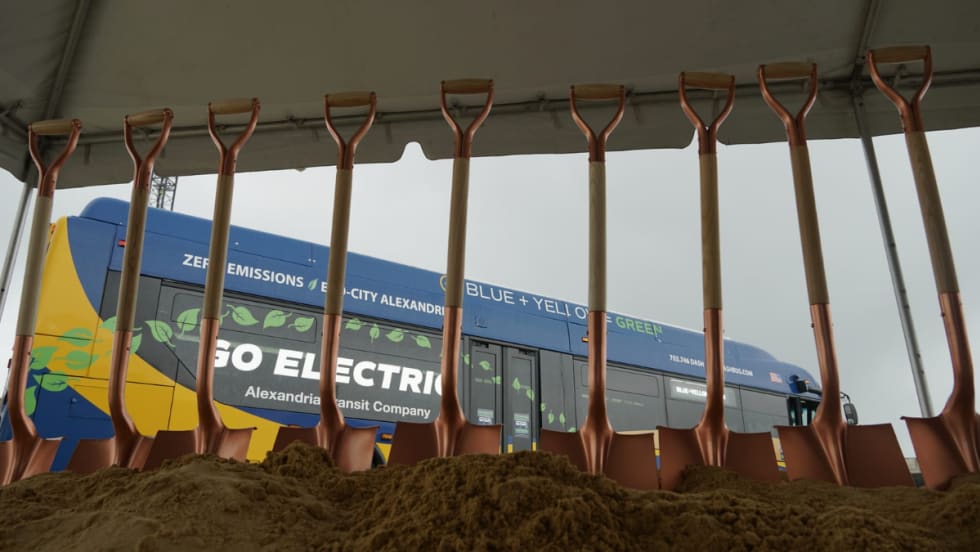
DASH Breaks Ground on First On-Route Electric Bus Chargers in D.C. Region
The fast-charging infrastructure will help extend electric bus range, improve fleet utilization, and support DASH's goal of transitioning to a fully zero-emission fleet.
Read More →