



Sun Metro celebrates grand opening of BRT
The 8.6-mile Rapid Transit System provides a high-capacity transit service to El Paso, Texas for the first time.

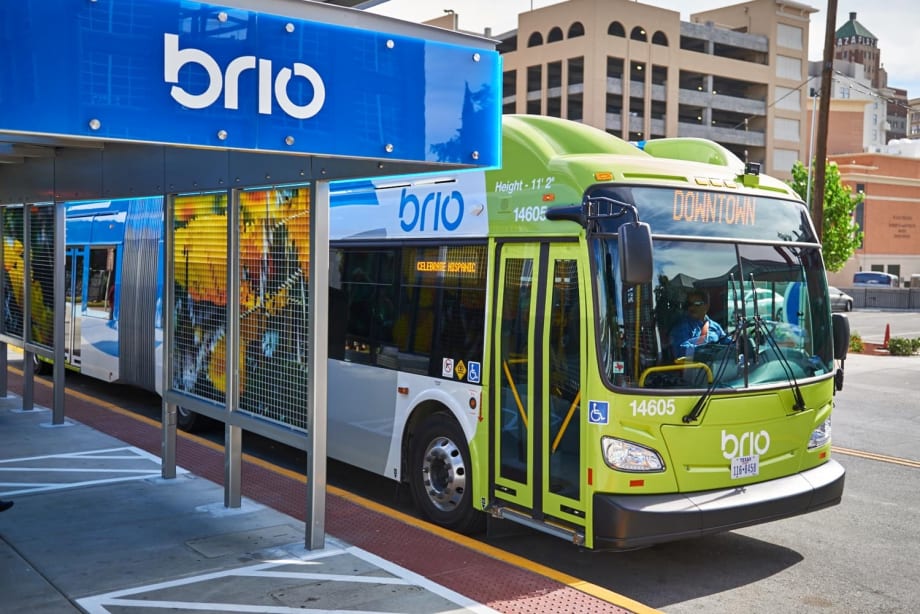
Sun Metro celebrated the grand opening of its 8.6-mile Rapid Transit System (RTS) along the Mesa Corridor in El Paso, Texas, this week. The new BRT system, which provides a high-capacity transit service to El Paso for the first time, begins at the Downtown Transfer Center, travels along Santa Fe, Franklin, Oregon, Glory Road and Mesa, ending at the Westside Transfer Center. Planning, engineering and program management firm Lockwood, Andrews & Newnam Inc. (LAN) led the design of the project.
“We have dedicated nearly 6 years to analyzing, designing and building what we believe will revolutionize public transportation in our community,” said Sun Metro Director Jay Banasiak.
Known as the Sun Metro Brio, the new BRT system uses modern, rubber-tire, high-capacity vehicles, improved fare collection systems and controlled traffic signals to move riders more efficiently. Uniquely branded 60-foot articulated buses with low-floor boarding will transport more than 70 passengers between the terminal stations every 10 minutes during peak period and 15 minutes during off‐peak period for 14 hours a day, Monday through Friday.
Passenger amenities include an integrated intelligent transportation system (allows buses to pass quickly through traffic lights), an audio/visual system to provide destination and next stop information inside and outside vehicles, bicycle racks, Wi-Fi connections and wheelchair accommodations. The corridor also includes 22 BRT transit stations about a mile apart. The station areas include two bus shelters at each stop, street lighting, landscaping, bike racks, ADA‐accessible ramps and station platforms, and reconstructed sidewalk at all approaches.
“Sun Metro Brio’s grand opening provides a new, efficient, and enhanced public transit service option for the citizens of El Paso,” said Philip L. Meaders, P.E., LAN’s vice president. “The new service will cut commuting times for many residents, workers, students and seniors who are traveling to different destinations while reducing congestion in the community.”
The Mesa Corridor is the first of four RTS corridors approved by the City of El Paso. The second corridor will be in Alameda. Construction on Alameda is tentatively scheduled to begin in spring 2015 with completion in 2016. Dyer and Montana, the third and fourth RTS corridors, are tentatively scheduled to be operational in 2017 and 2019, respectively.
More Paratransit

Biz Briefs: RIPTA Unveils New Frontrunners, Clevland RTA Adds New Siemens, and More
In METRO's latest installment, we take a look at recent news from Siemens, Prevost, Dodge, and more partnerships making headlines across the transportation sector.
Read More →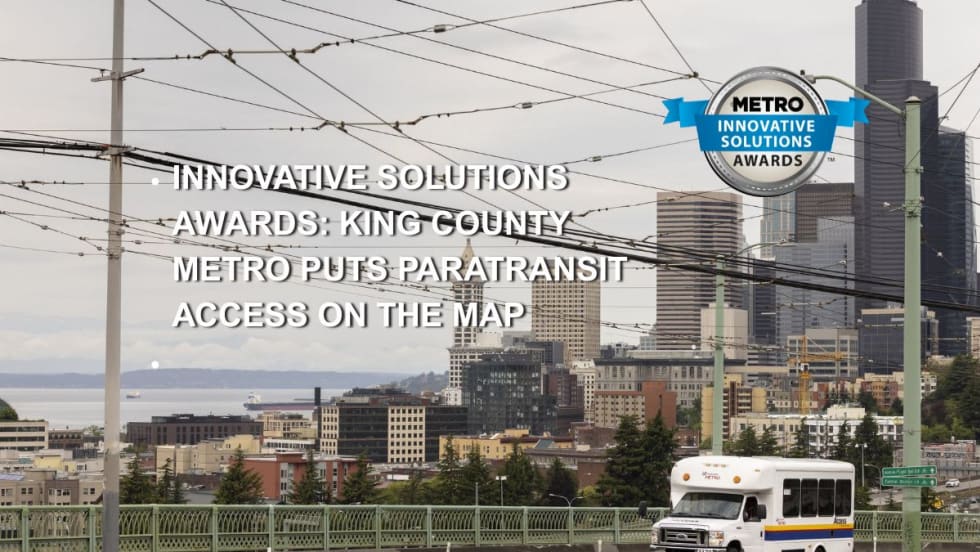
King County Metro Makes ADA Paratransit Easier to Navigate
METRO's Innovative Solutions Award winner replaces complex service-area descriptions with an accessible, interactive map that puts paratransit information directly in customers’ hands.
Read More →
Jacksonville’s NAVI Project Charts a New Course for Autonomous Public Transportation
Through its NAVI program, JTA is showing how autonomous vehicles, intelligent infrastructure, and coordinated operations can work together to deliver everyday public transportation.
Read More →
Driving Smarter Paratransit
John Hanlon shares how AlphaRoute is leveraging AI-powered technology to help paratransit providers optimize operations, support frontline staff, and enhance the rider experience.
Read More →
METRO Magazine Announces 2026 Innovative Solutions Awards Winners
Projects Recognized for Advancing Mobility Through Technology, Accessibility, Workforce Innovation, and Operational Excellence
Read More →
Biz Briefs: STV teams with Amtrak, Motorcoach Operators Boost Fleet and Land Contracts, and More
From manufacturers and suppliers to transit agencies and motorcoach operators, these updates offer a snapshot of the projects, partnerships and business moves driving the industry forward.
Read More →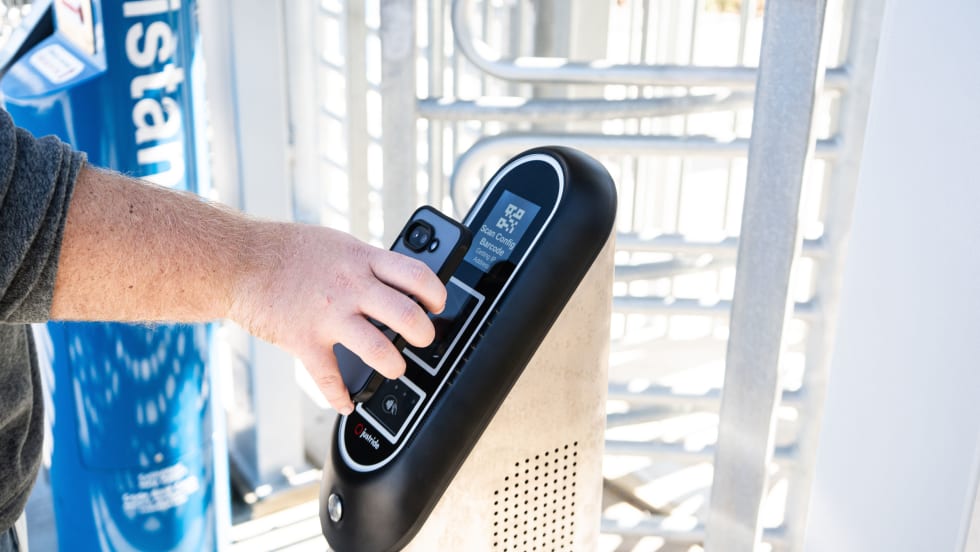
Biz Briefs: Masabi Teams with St. Louis Metro and More
In METRO's latest installment, we take a look at recent news from Transdev, Hitachi, and more partnerships making headlines across the transportation sector.
Read More →
New York MTA Leverages Zoning Program to Advance Station Accessibility
Accessibility enhancements at Nevins St Station will be financed through a development agreement tied to the MTA's Zoning for Accessibility initiative.
Read More →
Reinventing Fleet Maintenance with Real-time Visibility and AI
Transit leaders need to know what needs fixing, where to look, who is responsible, when work is completed, and what it costs without having to chase information across disconnected systems.
Read More →
SamTrans Sets Priorities for Potential Connect Bay Area Revenue
The board-approved framework allocates future funding to maintaining service, rider improvements, equity initiatives, and infrastructure repairs.
Read More →