




RELATED: Netflix, terrorism blamed for Tube's ridership decline
TfL completes biggest test of new Tube signaling system
Work to transform the world's oldest metro into one of the most modern is now well underway, and once complete it will improve reliability and boost capacity on 40% of the Tube network.
March 27, 2018
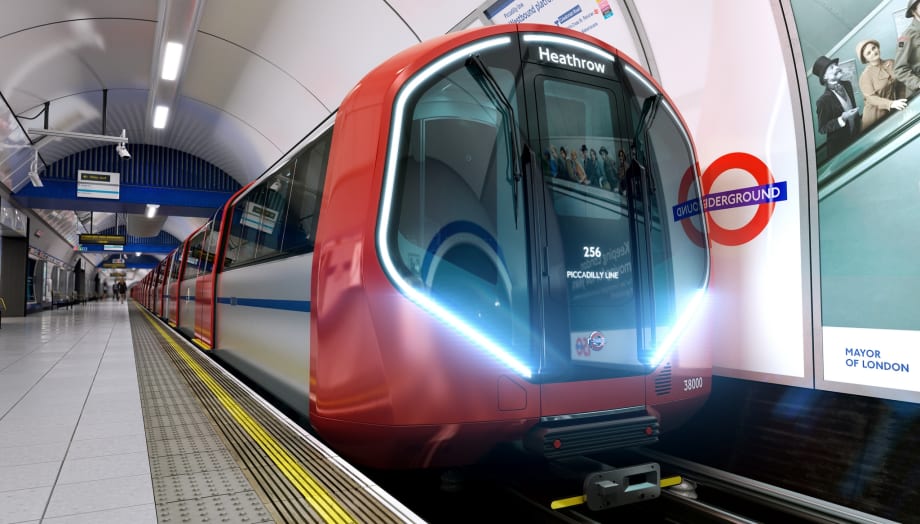
The new system will be introduced progressively over 14 sections across the network, each improving reliability as it is introduced.
TfL
3 min to read
The new system will be introduced progressively over 14 sections across the network, each improving reliability as it is introduced.
TfL
Transport for London (TfL) expanded testing of its new, modern Tube signaling system, which is set to transform the Circle, District, Hammersmith & City, and Metropolitan lines, to its largest area yet. The new system was successfully tested from Hammersmith through to Euston Square and Paddington, with the work involving the complex Baker Street junction — the first such junction to be tested with the state-of-the-art Thales communications-based train control (CBTC) system.
Work to transform the world's oldest metro into one of the most modern is now well underway, and once complete it will improve reliability and boost capacity on 40% of the Tube network. The section between Hammersmith and Edgware Road will be the first to go live on the new system this summer, and will provide better, more accurate real-time customer information and improve reliability. The testing over the weekend was conducted from the brand new control room at Hammersmith Service Control Centre, which will also begin operation this summer.
The new system will be introduced progressively over 14 sections across the network, each improving reliability as it is introduced. Customers will benefit from quicker, more frequent services from 2021, with all four lines using the new system by 2023. The new, modern signaling will allow trains to run closer together, which will increase the frequency of train services across these lines with 32 trains per hour set to operate in the central London section. This will boost capacity by a third across all four lines — equivalent to space for an extra 36,500 customers during the busiest times of day.
This weekend's testing, which was the culmination of an extensive period of planning and preparation, allowed TfL to gather information to ensure the system is ready for safe and efficient passenger service later this year. The next stage of the testing work will involve the longer, eight-car S-stock trains used on the Metropolitan line for the first time, and further testing and validation will be conducted in the coming weeks and months.
“It's great news that we have been able to start testing on the next section of the network. It shows that our Four Lines Modernization Project is now moving at pace and our customers will be able to see the benefits of this huge program soon,” said Mark Wild, managing director of London Underground. “This project will make an enormous difference to the journeys of tens of thousands of Londoners and will help us to deliver the Mayor's vision for a greener, healthier city by making those journeys quicker and boosting capacity.'
The junction at Baker Street is one of four complex junctions on the lines being modernized, with track for the Circle, Hammersmith & City and Metropolitan lines all running through the station. Ensuring that the new signals can effectively operate in such a busy location is a crucial step for the project ahead of work at other junctions such as Earl's Court and Aldgate
More Rail

New York MTA Advances Final Contract for Second Avenue Subway Expansion
Contract Four is the largest in the Second Avenue Subway Phase 2 project and includes construction of station infrastructure, tracks, and signals for the subway expansion, MTA officials said. Work on Contract Four will begin in 2027.
Read More →
San Diego MTS Breaks Monthly Trolley Ridership Record
Agency officials said July’s ridership indicates MTS’s continued recovery from the pandemic.
Read More →
Report Examines NJ TRANSIT Reliability, Funding Challenges
The Garden State Initiative analysis examines the roles of Amtrak infrastructure, fleet management, and agency operations while recommending a more performance-based approach to improving reliability.
Read More →
Stadler, CapMetro Sign Long-Term Rail Fleet Support Agreement
Beginning in 2027, Stadler will provide on-site technical expertise, spare parts support, training, and obsolescence management to help extend the reliability and longevity of CapMetro’s GTW fleet.
Read More →
Biz Briefs: Alstom Lands Canadian Contract, LYT to Supply California TSP, and More
In METRO's latest installment, we take a look at recent news from Complete Coach Works, Beep, FlixBus, and more partnerships making headlines across the transportation sector.
Read More →
CATS Gold Line Marks 5 Years of Service, 2.8M Passenger Trips
With a six-mile expansion planned, the Charlotte streetcar is positioned to connect more neighborhoods and major transit hubs across the region.
Read More →
Why Simulating Pedestrian Movement Has Become Essential for Modern Rail Stations
Pedestrian microsimulation is helping rail planners identify bottlenecks, test station designs, and prepare complex transit hubs for growing passenger volumes.
Read More →
Amtrak Begins Major Construction at New York’s Sunnyside Yard
The new maintenance facility will support Amtrak’s Airo trainsets while improving maintenance efficiency and turnaround times in New York.
Read More →
Chicago Leaders Unveil Plans for O’Hare Airport Express Train
The privately developed project would offer a 15-minute trip between downtown and O’Hare’s Terminal 2, with trains operating every 15 minutes on a dedicated track. The service would use battery-electric trains and three existing freight rail rights-of-way.
Read More →
OCTA Maps Out 30-Year Strategy to Protect Coastal Rail Corridor
The draft feasibility report identifies strategies to protect the coastal rail line for decades as the agency continues near-term stabilization and sand placement efforts.
Read More →