
"It's been estimated that by using open data effectively, 629 million hours of unnecessary waiting time could be saved on the EU's roads and energy consumption could be reduced by 16 percent."
- Jeni Tennison, CEO,Open Data Institute


 MENU
MENU SEARCH
More than 600 apps are now being powered specifically using TfL's open data feeds used by 42% of Londoners.
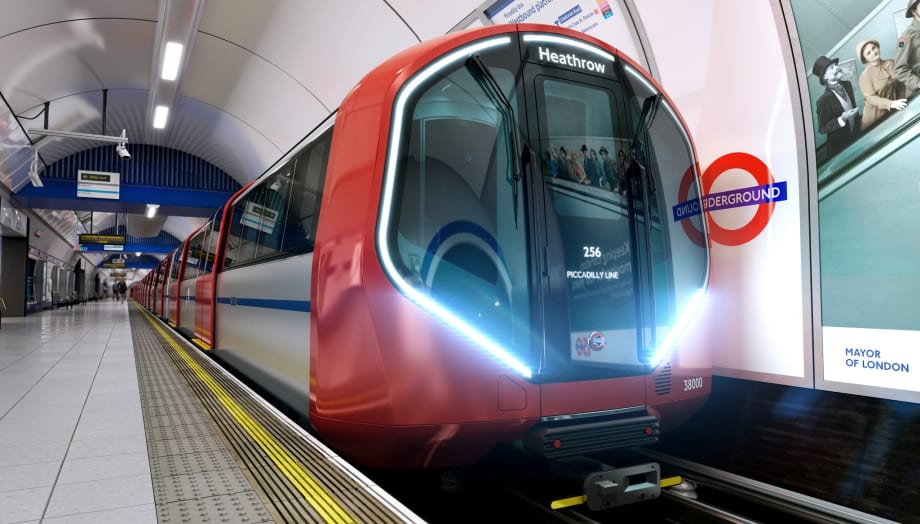
For almost ten years, Transport for London, has been releasing a significant amount of data — timetables, service status and disruption information — in an open format for anyone to use, free of charge. Photo: Transport for London

For almost ten years, Transport for London, has been releasing a significant amount of data — timetables, service status and disruption information — in an open format for anyone to use, free of charge. Photo: Transport for London
The provision of free, accurate and real-time open data by Transport for London is helping London's economy by up to £130m ($172 million) a year, new research reveals.
The research, commissioned by TfL and conducted by Deloitte, shows that by providing open data to developers, TfL is improving journeys, saving people time, supporting innovation and creating jobs.
For almost ten years, the transportation network has been releasing a significant amount of data — timetables, service status and disruption information — in an open format for anyone to use, free of charge. This allows developers and partners to bring new products and services to market more quickly, and therefore extend the reach of TfL's own information channels within stations, at bus stops and online.
TfL has worked with a wide range of professional and amateur developers, ranging from start-ups to global innovators, to deliver new products in the form that customers want. This has led to more than 600 apps now being powered specifically using TfL's open data feeds, used by 42% of Londoners.
The report found that TfL's data provides the following benefits:
Saved time for passengers. TfL's open data allows customers to plan journeys more accurately using apps with real-time information and advice on how to adjust their routes. This provides greater certainty on when the next bus/Tube will arrive and saves time - estimated at between £70m ($93M) and £90m ($120M) per year.
Better information to plan journeys, travel more easily and take more journeys. Customers can use apps to better plan journeys, enabling them to use TfL services more regularly and access other services. Conservatively, the value of these journeys is estimated at up to £20m ($27M) per year.
Creating commercial opportunities for third party developers. A wide range of companies now use TfL's open data commercially to help generate revenue, many of whom are based in London. Having free and up-to-date access to this data increases the 'Gross Value Add' (analogous to GDP) that these companies contribute to the London economy, both directly and across the supply chain and wider economy, of between £12m ($16M) and £15m ($20M) per year.
Leveraging value and savings from partnerships with major customer facing technology platform owners. TfL receives back significant data on areas it does not itself collect data (e.g. crowdsourced traffic data). This allows TfL to get an even better understanding of journeys in London and improve its operations.
"Open data is changing our everyday lives and how organisations like TfL work," said Jeni Tennison, CEO at the Open Data Institute. "In fact, data is becoming as important as other types of infrastructure, such as roads and electricity, which means building strong data infrastructure is vital to economic growth and wellbeing."
The provision of open data forms a key part of TfL's wider customer information strategy of providing more helpful, real-time information using new technology and innovation, to improve journeys. Other initiatives already in place include using Twitter travel alerts for service updates, the new 'TravelBot' Facebook Messenger tool that provides direct answers to travel queries on Tube, rail and bus services, and equipping staff with smart phones and tablets to help customers with their journeys.
Earlier this year, TfL also hosted a digital accessibility summit to bring together digital innovators and accessibility stakeholders to discuss how technology can help our customers get around. The summit has led to a number of developers now working proactively with TfL to improve how accessibility information, such as step-free access at stations and whether bus stops are correctly reflected as accessible or inaccessible to wheelchair users, is made available through apps and on websites.

Nominations are now being accepted for METRO Magazine’s Operator of the Year and Innovative Operator of the Year awards.
Read More →
Contract Four is the largest in the Second Avenue Subway Phase 2 project and includes construction of station infrastructure, tracks, and signals for the subway expansion, MTA officials said. Work on Contract Four will begin in 2027.
Read More →
Leaders from 15 major transit systems shared crime-reduction results and safety initiatives while discussing the role of continued federal support.
Read More →
The new regional transit authority appointed its first board chair and interim executive director while extending reduced fares across CTA, Metra, and Pace for eligible riders.
Read More →
Reliability-Centered Maintenance helps transit agencies move beyond routine checklists to focus limited resources on the assets and failures that have the greatest impact on safety, reliability, and service.
Read More →
Leadership changes will help shape the association’s priorities and its representation of the transportation industry during the 2026–2027 term.
Read More →
The 90-day demonstration will deploy coordinated security teams at five light rail stations while testing controlled access and gathering data to guide future investments.
Read More →
Learn about delivering 1300 gates at 91 stations while managing fare evasion. Explore the large scale deployment, solution customization and real-world results that affect the region. Prepare for deployment in your region now.
Read More →
Between packed transit stations and team motorcoaches, see how agencies and operators across North America tackled the transportation demands of the 2026 FIFA World Cup.
Read More →
The stopgap keeps federal transportation programs moving, but missing advance funding could complicate the transit and rail projects agencies are planning next.
Read More →