



Transit officials lobby Congress for AIG help
The transit leasing agreements, known as SILO and LILO transactions, were promoted by the FTA from the late 1980s through 2003, as an innovative, legal way for public transit systems to gain additional revenue.

Public transportation officials from around the nation met with congressional leaders to urge immediate action on the transit leasing crisis caused by AIG losing its AAA rating, on Tuesday.
“Thirty-one of the nation’s largest transit systems, including MARTA, would be financially crippled in the coming months if nothing is done to resolve this crisis,” said Dr. Beverly Scott, chair of the American Public Transportation Association (APTA) and CEO of Metropolitan Atlanta Rapid Transit Authority (MARTA). “The innocent victims will be the millions of riders who rely on public transit every day.”
Scott was joined by the heads of ten other public transit agencies: Washington Metropolitan Area Transit Authority, New York MTA, New Jersey Transit, Santa Clara Valley Transportation Authority, Los Angeles MTA, Sacramento Regional Transit, St. Louis Metro, Chicago Transit Authority, Massachusetts Bay Transportation Authority and Houston Metro.
The transit leasing agreements, known as Sale-in/Lease Out and Lease-In/Lease Out (SILO/LILO) transactions, were promoted by the Federal Transit Administration from the late 1980s through 2003, as an innovative, legal way for public transit systems to gain additional revenue. To secure these transactions, sale proceeds in the form of Treasury securities were placed into an account that insurers, such as AIG, guaranteed.
The contract terms also stated that the insurer had to have a AAA credit rating. With the collapse of AIG, it lost its AAA bond status and transit systems are now in “technical default” and the investors seek to recoup 100 percent of the tax benefits that would have been allowed.
“The U.S. Treasury has the power under the recently enacted Emergency Economic Stabilization Act of 2008 (P.L. 110-343) to take over the role of AIG and other insurers in SILO/LILO transactions,” said Scott. “This would prevent any predatory action by banks against transit systems and the public, and because the Treasury would be backing its own securities, there is no financial risk on the part of the federal government.”
More Management
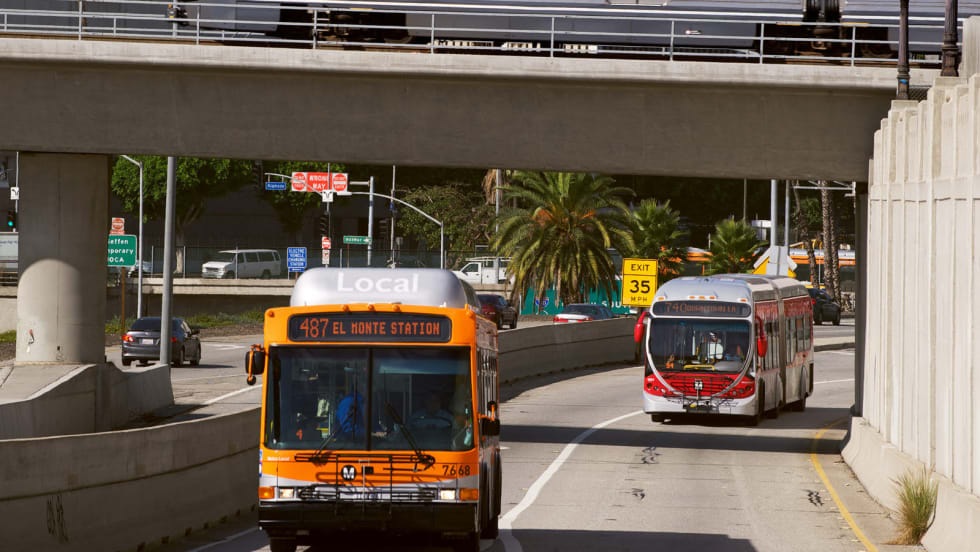
New Tricks for Old Bureaucracies: Joshua Schank on Making Transit Innovation Stick
Former LA Metro Chief Innovation Officer Joshua Schank discusses why good ideas aren't enough, how transit agencies can overcome resistance to change, and why today's challenges demand more innovation.
Read More →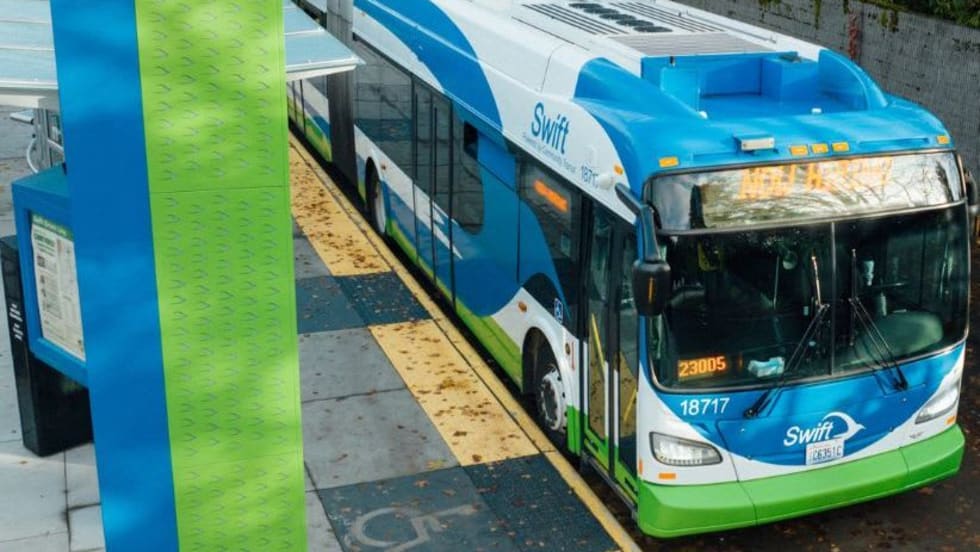
Washington's Community Transit Sets Six-Year Roadmap for Growth, Expansion
Approved TDP targets more bus service, new mobility options, Swift BRT expansion, and a potential Everett Transit annexation.
Read More →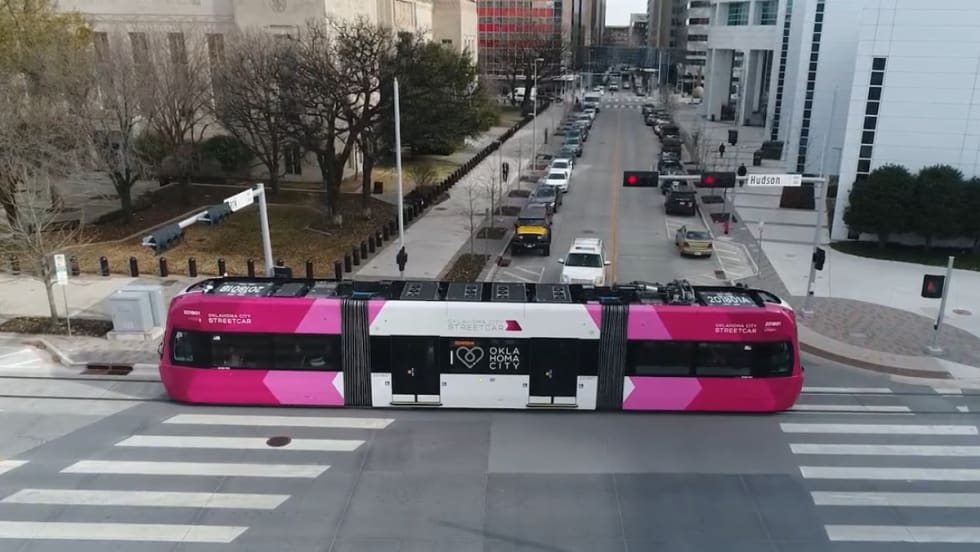
OKC Streetcar Makes Zero-Fare Service Permanent
Ridership increased an average of 71% compared with the same period a year earlier during the fare-free pilot.
Read More →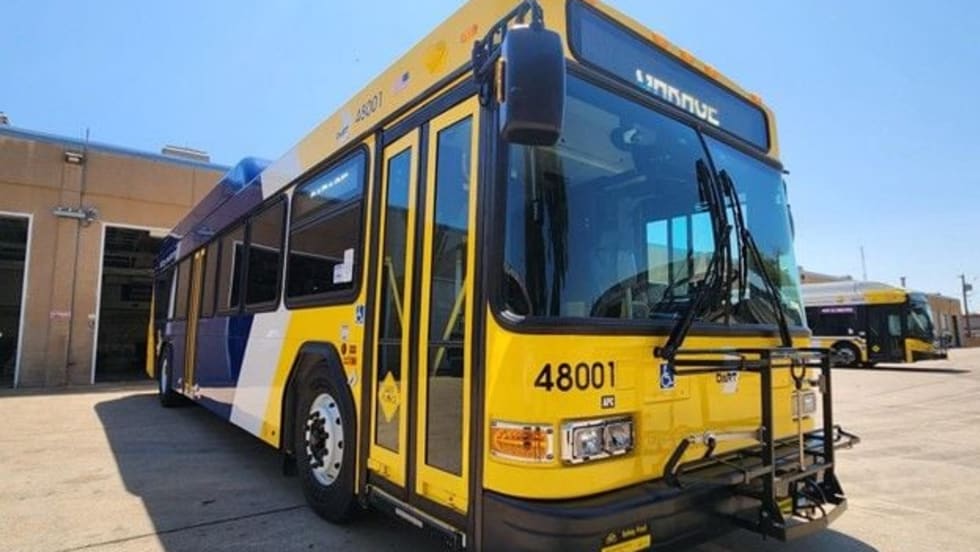
DART Customer Satisfaction Reaches Six-Year High
Overall satisfaction rose to 74.9%, while the agency’s Net Promoter Score reached a record 33.7.
Read More →
House Surface Transportation Bill Advances as Transit Funding Debate Intensifies
A bipartisan transportation package moving through Congress could redefine how the U.S. funds highways, transit, and motorcoach travel, while igniting new fights over electrification, regulation, and federal priorities.
Read More →
How Data, Strategy, and Community Engagement Are Reshaping Transit
In this edition of METROspectives, strada360 CEO Steve Lassey discusses how transit agencies can better align planning with operations, leverage data to improve decision-making, and build public trust as they prepare for the future of mobility.
Read More →
Amtrak Board Advances Plan to Restructure Organization, Seeks Public Input
The proposal, developed by Amtrak management and approved by the board for further consideration, is intended to modernize the organization's structure while improving accountability, operational efficiency, and customer service.
Read More →
Turn Transit Data Into Action
Discover how leading agencies are using connected technology to gain real-time visibility across operations, improve service reliability, and reduce disruptions.
Read More →
What Transit-Oriented Development Means for the Future of Public Transportation
Once viewed primarily as transit operators, agencies are now leveraging land, partnerships, and long-term planning to boost ridership, expand housing, and strengthen communities.
Read More →
USDOT Announces $22 Million for Transit Innovation, Updates High-Speed Rail Rules
New federal transit funding will support safety, accessibility, and technology projects as updated rail regulations establish new noise standards for high-speed trains.
Read More →