



Transit security still lacking, experts say
Technology should not be seen as cure-all for security, according to panel of experts.

Four years after Sept. 11, U.S. urban transit systems are still lacking in many areas of security, including standards, preparedness and emergency response, according to a panel of security experts. The panel, which spoke during the 6th Annual TriState Transit Symposium, hosted last week by New York University's Rudin Center for Transportation Policy and Management, also said that technology should not be seen as the cure-all for security. Panelist David Gaier, a journalist and former security consultant who writes widely on terrorism, told the group that poor incident command was still a huge vulnerability for urban transit systems in New York and around the nation. Gaier likened the situation to the federal response to Hurricane Katrina. "The same thing could happen in transit systems: incident command and control cannot be sorted out after the bomb goes off." He also acknowledged that it was difficult for transit agencies to determine the best use of their people and funds, because federal security standards, due at the end of 2004, were not completed. Rob Libengood, CEO of Pittsburgh-based SecuraComm, said that a transit security anti-terrorism program must include a combination of policies and procedures, technology and trained manpower. Libengood said that technology was a waste of money if personnel were not properly trained to use it and respond appropriately. "Response has been the weakest link...transit systems must improve their response through training and analyzing results from regular drills," he said.
More Management
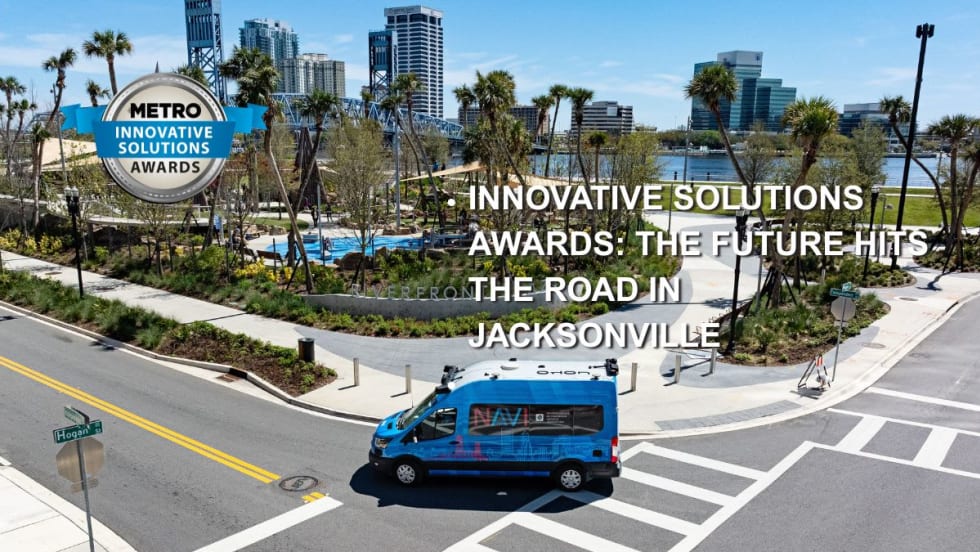
Jacksonville’s NAVI Project Charts a New Course for Autonomous Public Transportation
Through its NAVI program, JTA is showing how autonomous vehicles, intelligent infrastructure, and coordinated operations can work together to deliver everyday public transportation.
Read More →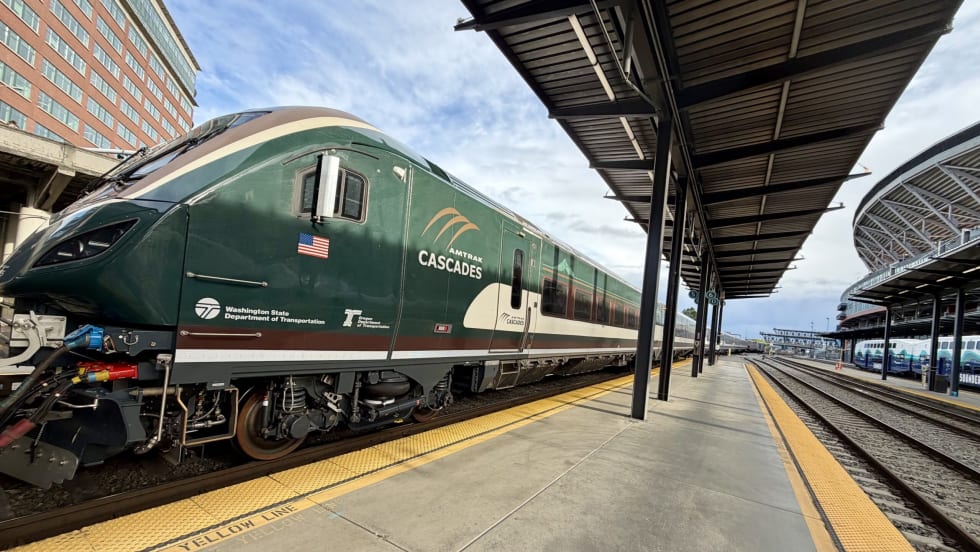
FRA Announces $5.3B in Rail Investments, Including $2B for Amtrak
Funding will support grade-crossing improvements, infrastructure upgrades, and new Amtrak equipment in 23 states.
Read More →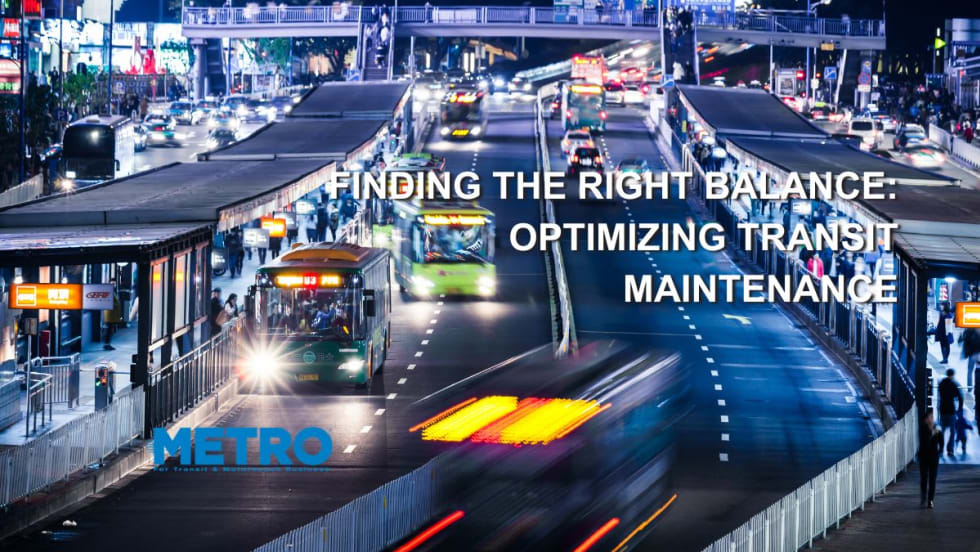
Finding the ‘Happy Medium’: Optimizing Maintenance Without Sacrificing Reliability
The key to maintenance optimization isn’t doing less work—it’s doing the right work at the right time on the right assets.
Read More →
People Movement: MARTA Drops Interim Tag on GM/CEO Hunt and More
In this edition, METRO covers recent appointments and announcements at the FMCSA, HDR, SilverRide, and more, showcasing the individuals helping to shape the future of transportation.
Read More →
VIA Metropolitan Transit Reports 2 Million More Passenger Trips as Better Bus Plan Gains Momentum
San Antonio's transit agency said accelerated service improvements are driving ridership growth, offering another example of how increased frequency and workforce investments can translate into stronger transit performance.
Read More →
ABAF Study Reveals Growing Insurance Crisis for Motorcoach Operators
Preliminary findings show 98% of operators faced premium increases over the past five years, while shrinking insurer participation is putting added pressure on businesses and customers.
Read More →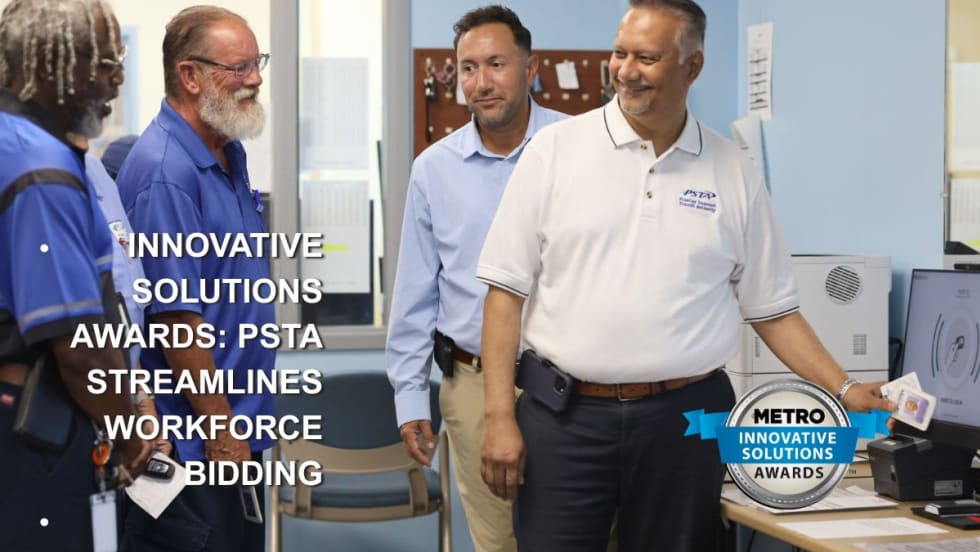
PSTA Modernizes Workforce Management with Digital Bidding System
The award-winning Workforce Transit Modernization project replaced paper bidding with a transparent digital platform, cutting administrative effort while improving access for operators.
Read More →
Chicago to Host Public Transportation's Biggest Gathering at APTA TRANSform & EXPO 2026
North America’s largest public transportation gathering returns to Chicago, connecting transit decision-makers with the technologies, ideas, and partnerships driving the industry forward.
Read More →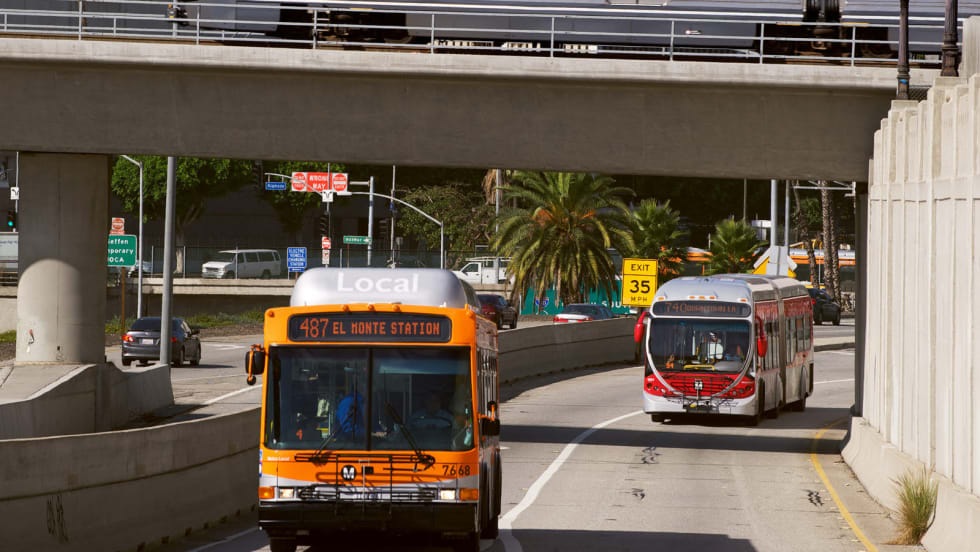
New Tricks for Old Bureaucracies: Joshua Schank on Making Transit Innovation Stick
Former LA Metro Chief Innovation Officer Joshua Schank discusses why good ideas aren't enough, how transit agencies can overcome resistance to change, and why today's challenges demand more innovation.
Read More →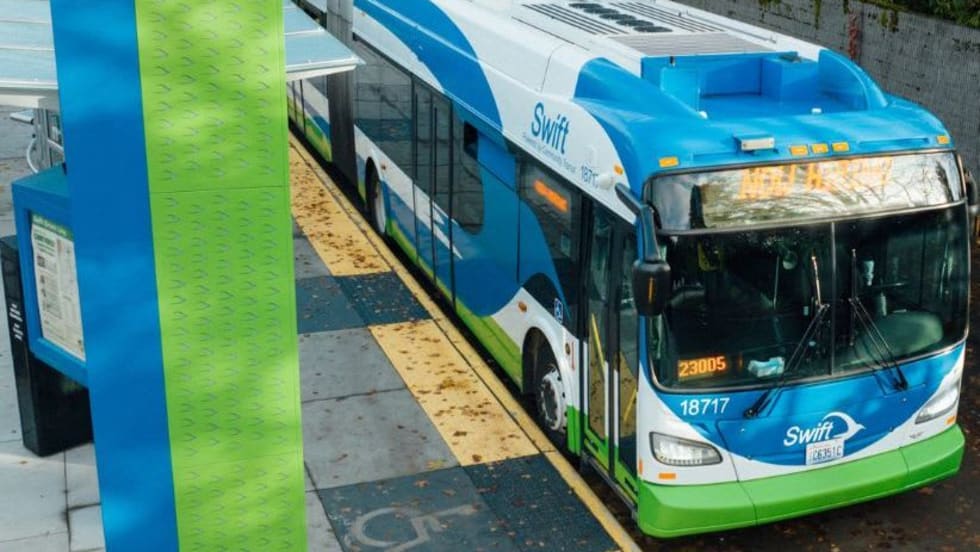
Washington's Community Transit Sets Six-Year Roadmap for Growth, Expansion
Approved TDP targets more bus service, new mobility options, Swift BRT expansion, and a potential Everett Transit annexation.
Read More →