



TriMet aims to roll out electronic fare system in 2015
Would start the system on a limited basis and fully launch it in 2017. Expects employee testing to be underway by September 2015, when the Portland-Milwaukie Light Rail line opens.

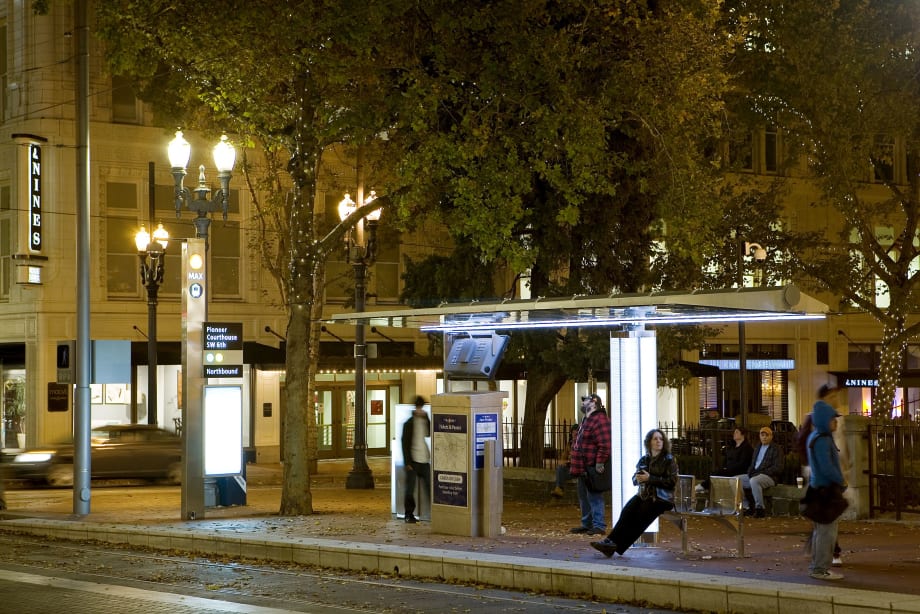
Photo courtesy TriMet
Photo courtesy TriMet
Portland, Ore.-based TriMet plans to implement an electronic fare system, beginning on a limited basis, as early as September 2015 with a full launch in 2017.
Electronic fares, or eFares, will allow riders to conveniently and quickly pay fares by tapping a contactless payment device against an electronic reader — no exact change or paper ticket needed.
Fares could be purchased with a transit-only smart card; using a bank-issued credit or debit card equipped with a microchip; or via a smartphone equipped with Near Field Communications. Riders simply tap one of these payment options against an electronic reader or validator near the fare box on a bus or on a MAX platform.
For those who don’t have a bank account, eFare cards similar to gift cards could be purchased and money loaded onto them. The cards could be purchased at convenience stores, grocery stores and other retail outlets. This will improve access for everyone, especially low-income riders.
Another benefit for frequent transit users and low income riders would be daily and monthly caps on fares paid. Currently a Day Pass costs $5 for an adult and is good for unlimited trips in a given day. The eFare system would also have a daily maximum cost. The same is true on a monthly basis.
According to the agency, TriMet will be the first U.S. multimodal transit system to implement a mobile ticketing smartphone app that lets riders buy and use tickets on smartphones for use on our buses and trains. The free TriMet Tickets mobile app will be launched in August.
The eFare system will cost up to $30 million to implement, but should pay for itself over time. It’s expected to reduce fare evasion, increase revenue, and reduce costs associated with ticket vending machines, cash purchases and collection processing.
While an eFare system would not replace TriMet’s current ticket vending machines, the agency expects eFare incentives and adjustments to the machines to drive more riders to electronic payment.
No decisions will be made until the public can weigh in on possible changes.
This summer, TriMet will send out requests for proposals from contractors who could provide elements of the eFare system. By September 2015, when the Portland-Milwaukie Light Rail line opens, employee testing is expected to be underway. In 2016, TriMet plans to move to limited customer segment testing and then launch eFare systemwide in 2017.
RELATED: "Calif.'s NCTD to launch mobile ticketing app"
More Bus
Biz Briefs: New Flyer Delivers in Columbus, Houston, Beep and Freebee Merge, and More
In this edition of Biz Briefs, we spotlight the latest developments shaping the future of mobility.
Read More →
People Movement: Dan Dipert Coaches Adds Third-Generation Leader, Keolis Names New Valley Metro VP/GM, and More
In this edition, we also cover recent appointments and announcements at the Wabtec, SilverRide, HNTB, and more, showcasing the individuals helping to shape the future of transportation.
Read More →
New York MTA Plans Largest Bus Fleet Upgrade in More Than a Decade
The agency is seeking manufacturers for 650 new CNG buses to replace aging vehicles, improve reliability, and advance its broader fleet modernization strategy.
Read More →
Building a Flexible Path to Transit Electrification
John Hroncich discusses BAE Systems’ modular and scalable approach, lessons learned from decades of real-world operations, and how agencies can identify electrification strategies that fit their fleets.
Read More →
Bus Tech Talk: Keeping Transit Technicians Ahead of the Technology Curve
LA Metro’s Obed Mejia discusses technician training, evolving maintenance technology, fleet replacement, and strategies for getting the most out of today’s transit fleets.
Read More →
Biz Briefs: RIPTA Unveils New Frontrunners, Clevland RTA Adds New Siemens, and More
In METRO's latest installment, we take a look at recent news from Siemens, Prevost, Dodge, and more partnerships making headlines across the transportation sector.
Read More →
People Movement: Holly Arnold Joins Transdev and More
In this edition, we also cover recent appointments and announcements at Pace, CamTran, MCI, and more, showcasing the individuals helping to shape the future of transportation.
Read More →
The High Cost of Transit Buses: Industry Leaders Look to Procurement Reform
Transit leaders and policymakers examine how standardized bus designs, streamlined procurement, and predictable funding could help agencies stretch budgets and deliver better service.
Read More →
The Business Voice Behind Public Transportation
As chair of APTA’s Business Members Board of Governors, Ray Melleady explains how more than 850 business members are partnering with transit agencies to advance funding, innovation, and industry-wide collaboration.
Read More →
From Surviving to Thriving: Building Stronger Transportation Organizations
Bus Business Consultants founder Brian Dickson shares lessons on leadership, organizational health, and creating options for long-term success in a changing transportation industry.
Read More →