



U. of Delaware adds hydrogen bus to fleet
Built by California-based Ebus, the vehicle features fuel cells from Ballard Power Systems. Newark, Del.-based Air Liquide is providing a climate-controlled facility to store the vehicle.

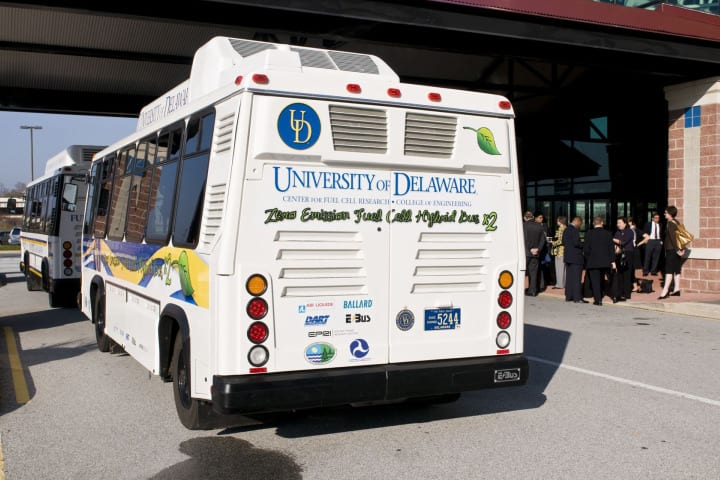
[IMAGE]U-of-Delaware-hydrogen-bus-full.jpg[/IMAGE]The University of Delaware's (UD) newest bus, a 22-foot, 22-seat vehicle that runs on hydrogen, tooled around downtown Wilmington on Monday, Nov. 16, carrying some very important riders — U.S. Sen. Thomas R. Carper (D-Del.), U.S. Rep. Michael N. Castle (R-Del.) and Wilmington Mayor James Baker.
The ride was part of a briefing session to update Delaware's congressional delegation about the progress of UD's fuel cell research, research for which they secured $1.7 million in funding in 2007.
The bus, built by California-based Ebus, features fuel cells from Ballard Power Systems. Newark, Del.-based Air Liquide is providing a climate-controlled facility to store the vehicle.
The paint job on the bus illustrates its place in the progression of fuel cell research at UD. It reads “Zero Emission Fuel Cell Hybrid Bus x2,” as the bus is the second in the hydrogen fleet; the first rolled out in 2007 and currently runs as a shuttle on UD's Newark campus.
Additionally, the “x2” relates to the fuel cell capacity of the bus. Where the first bus contained just one fuel cell stack, this bus houses two, making it more powerful and capable of reaching higher speeds.
The bus, like its predecessor, does not require diesel like traditional buses; instead its fuel cells combine hydrogen and oxygen to directly produce electricity to run the bus. The reaction produces no greenhouse gas emissions and its exhaust consists only of water and water vapor.
“There are only about a dozen fuel cell buses in service across our entire country and two of these buses are on UD's campus. I think we can be rightfully proud of that achievement,” said Ajay Prasad, professor of mechanical engineering, director of the UD Center for Fuel Cell Research and host of the event.
“These two fuel cell buses are a tremendous step forward,” said Castle. “The University has been a leader in this. We have pulled hard to try to help with the funding of it. We hope this expands exponentially from here on.”
Carper commented that the buses and the green economy they represent are where the country needs to be headed. “It will be reduce our dependence on foreign oil, cleaning up our environment, providing not only safe and affordable transportation but also a lot of jobs to drive them and a lot of jobs to build them, and that's a great combination,” he said.
Mark Barteau, senior vice provost for research and strategic initiatives at UD, noted this and other projects undertaken by researchers working within the University of Delaware Energy Institute aim to be solutions to the world's complex energy problems.
“When we launched the Energy Institute, one of the things we said we wanted to do was to take research out of the laboratory and into public demonstration, and I think that's a critical component of our fuel cell bus program,” Barteau said. “This is very much out there on the street where our students can use it and the public can see it.”
While the buses are visible all around campus, what might be hidden is all the work that goes into making them possible.
“We have about 20 people currently working on these projects,” said Michael Chajes, dean of the UD College of Engineering. “It's critical for our nation to both do the research but also educate the people who will carry this forward.”
Chajes remarked that in order to do that important work, UD needs more facilities, stating the planned Interdisciplinary Science and Engineering building will allow for more of this sort of innovation.
More Technology
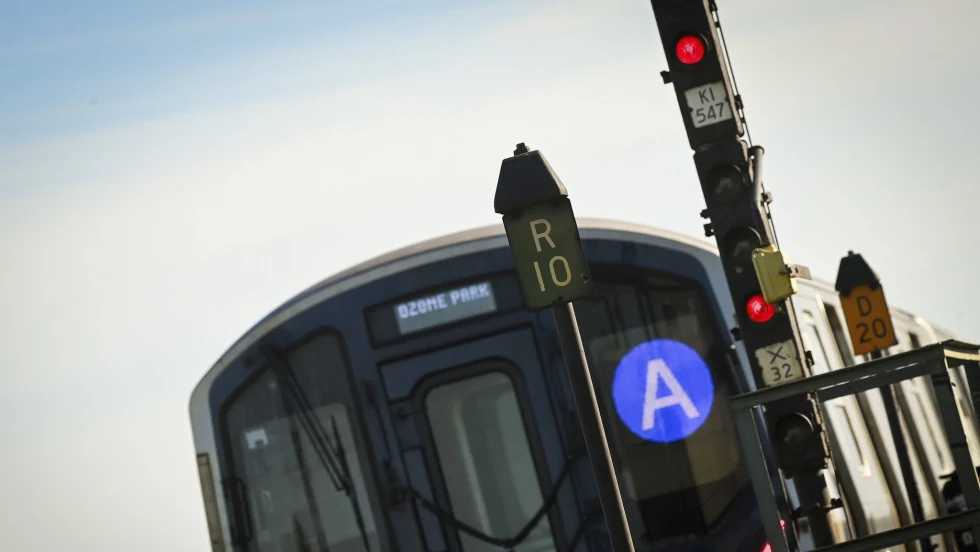
New York MTA Launches Historic $1.9B Signal, Track Modernization Project
Funded in part by congestion pricing revenue, the project will replace nearly century-old signals along the A and C lines in Brooklyn and Queens.
Read More →
Biz Briefs: New Electric Offering from Alexander Dennis/Volvo, Transdev in Boston, and More
In METRO's latest installment, we also take a look at recent news from STV, WSP, Prevost, and more partnerships making headlines across the transportation sector.
Read More →
Roman Cornell on ABC Companies’ Evolution and the Future of Passenger Transportation
The company’s CEO discusses carrying forward a third-generation family legacy, ABC’s continued evolution in passenger transportation, support for increasingly complex fleets, and how technology and continued investment could help operators improve uptime.
Read More →
ETA CEO John Maglio on Transit Technology, Innovation, and Building Agency Trust
ETA founder and CEO John Maglio explores the evolution of transit technology, the importance of reliable systems, and how stronger partnerships can help agencies improve operations and the passenger experience.
Read More →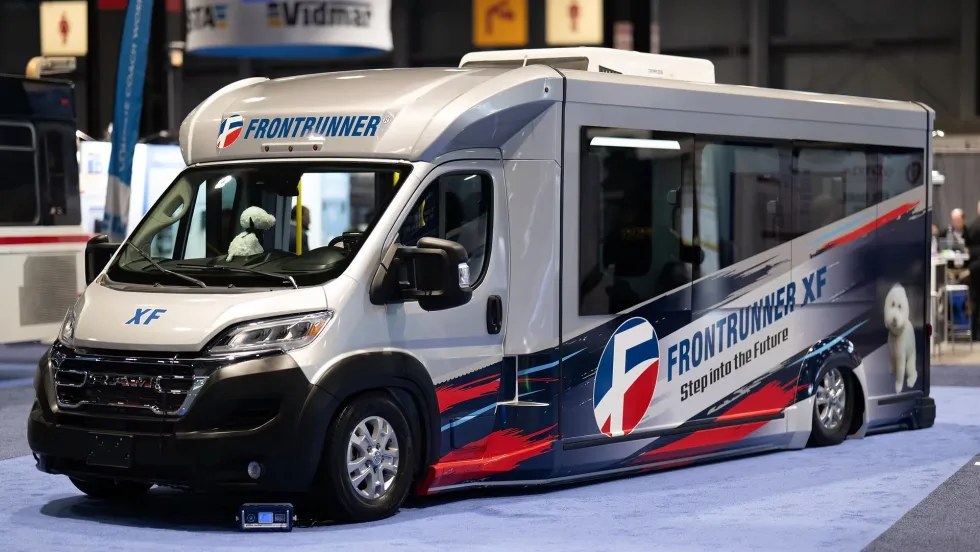
Frontrunner Bus Group Introduces XF Low-Floor Bus with Enhanced Accessibility
The new mid-sized bus features a full flat-floor design, eight-inch curbside step-in height, and zero-entry rear ramp to improve passenger access and operational flexibility.
Read More →
Building a Flexible Path to Transit Electrification with BAE's John Hroncich
John Hroncich discusses BAE Systems’ modular and scalable approach, lessons learned from decades of real-world operations, and how agencies can identify electrification strategies that fit their fleets.
Read More →
Scenes from APTA TRANSform & EXPO 2026
Transit leaders, manufacturers, and industry professionals gathered in Chicago to explore new technologies, share ideas, and discuss the future of public transportation.
Read More →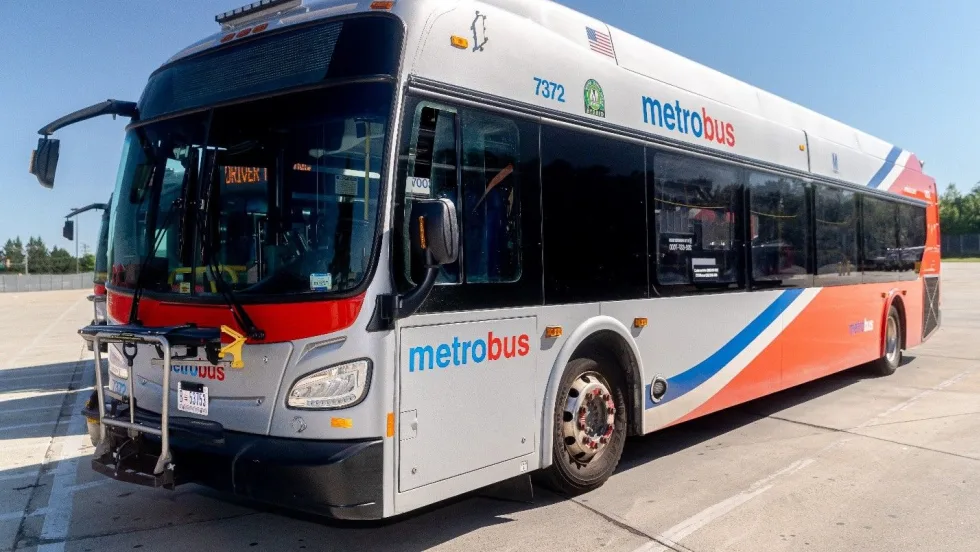
Biz Briefs: New Flyer Secures Additional 100-Bus Order from WMATA and More
In METRO's latest installment, we also take a look at recent news from Masabi, MCI, Samsara, and more partnerships making headlines across the transportation sector.
Read More →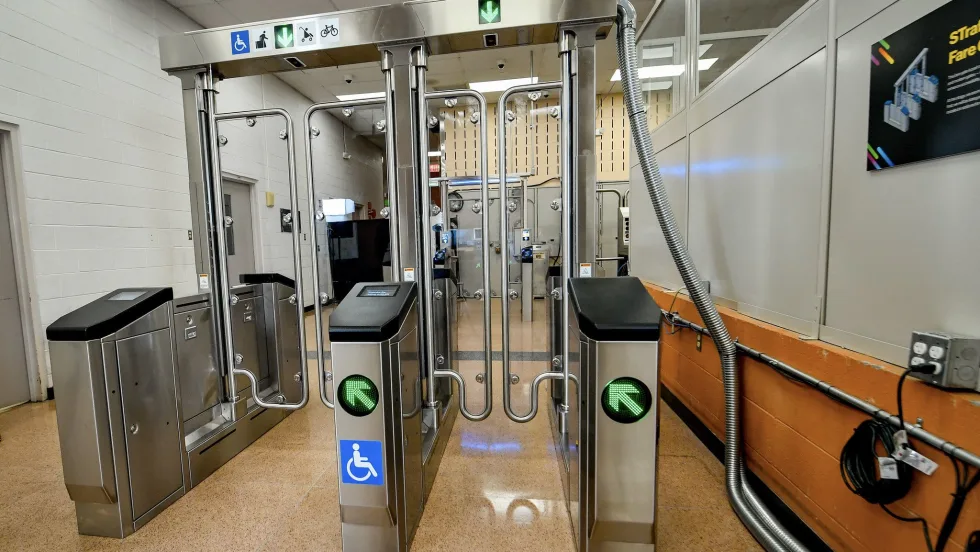
MTA Fare Gate Pilot Reduces Fare Evasion by 35%
Following a 20-station pilot, the agency plans to install new fare gates at 20 additional subway stations as part of a $1.1 billion modernization initiative.
Read More →
California Law Extends AC Transit’s Bus Lane Camera Enforcement
The new law allows AC Transit to continue using forward-facing bus cameras to enforce parking violations in bus-only lanes and at bus stops.
Read More →