



Amtrak Advances Plan for New Long-Distance Fleet
The railroad has issued a formal request for proposals to manufacturers for more than 800 new passenger railcars that will serve 14 long-distance routes nationwide.

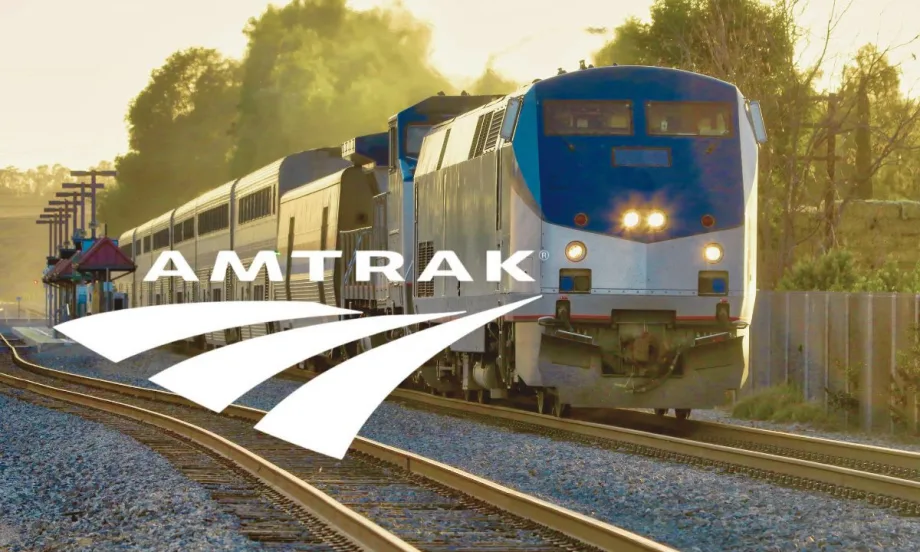
Under the plan, Amtrak will transition to a standardized, single-level fleet across all long-distance routes, replacing the current mix of single- and bi-level cars.
Amtrak
- Amtrak is progressing with plans to introduce a new fleet of long-distance passenger railcars.
- The company has formally requested proposals from manufacturers for over 800 new railcars.
- These new railcars will operate across 14 long-distance routes throughout the United States.
*Summarized by AI
Amtrak launched the procurement process for what it describes as the largest long-distance fleet replacement program in its history, marking a significant step in modernizing overnight and cross-country rail travel in the U.S.
The railroad has issued a formal request for proposals to manufacturers for more than 800 new passenger railcars that will serve 14 long-distance routes nationwide.
Amtrak expects interested suppliers to submit bids in the coming years, with a selected manufacturer anticipated by the end of 2027.
Replacing Aging Fleet
The initiative, developed in coordination with the Federal Railroad Administration, aims to replace aging equipment — much of which is nearing 50 years of service — while improving reliability and the passenger experience.
Under the plan, Amtrak will transition to a standardized, single-level fleet across all long-distance routes, replacing the current mix of single- and bi-level cars.
Officials have said the strategy is designed to reduce program risk, streamline operations, and broaden competition among carbuilders.
Amtrak’s long-distance services connect major cities with smaller and rural communities across the country, playing a key role in the national transportation network.
The new fleet procurement is part of a broader systemwide modernization effort that also includes the rollout of new locomotives, high-speed Acela trainsets, and the upcoming Airo fleet for short- and mid-distance routes.
Quick Answers
Amtrak plans to acquire more than 800 new passenger railcars for its long-distance fleet by issuing a request for proposals to manufacturers.
*Summarized by AI
More Rail

ENC Lands MATA Contract and More in Biz Briefs
In this edition of Biz Briefs, we spotlight the latest developments shaping the future of mobility.
Read More →
Strada360’s Steve Lassey on Turning Transit Data Into Better Decisions
From breaking down data silos to preparing for AI, Strada360 CEO Steve Lassey discusses how transit agencies can use technology to improve operations, customer information, and long-term decision-making.
Read More →
SEPTA Details Accelerate Vision for Transit System
The plan outlines investments in trolley modernization, new Metro and Regional Rail vehicles, accessible stations, and more frequent bus and rail service.
Read More →
FTA Ends Direct Oversight of MBTA Safety Actions
The federal agency closed its remaining special directive to the Massachusetts Department of Public Utilities following a safety review that began in 2022.
Read More →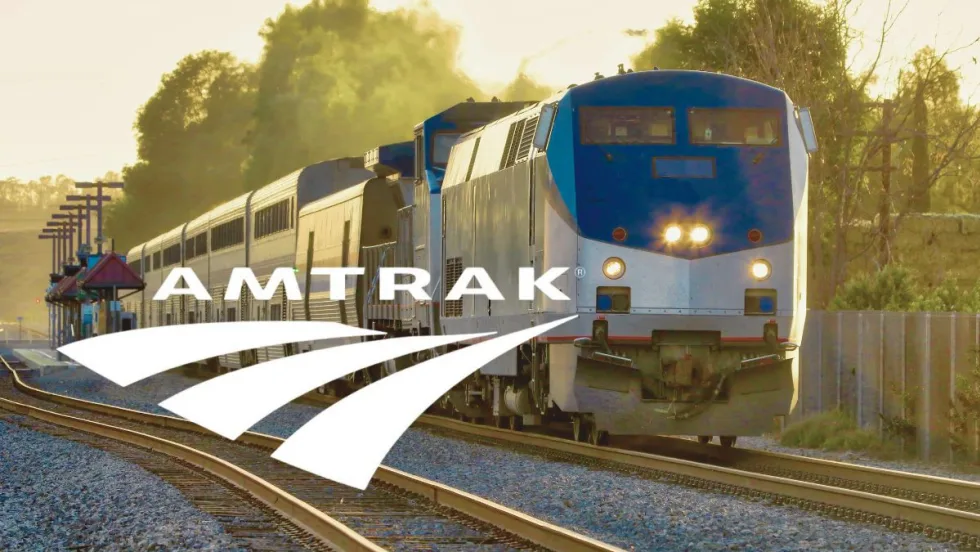
Amtrak, CN Reach Agreements to Strengthen Passenger Rail Service, Safety
The agreement resolves a more than decade-long proceeding before the Surface Transportation Board concerning the terms and conditions for Amtrak services, such as the City of New Orleans, Illini/Saluki, and Wolverine.
Read More →
New York MTA Advances Final Contract for Second Avenue Subway Expansion
Contract Four is the largest in the Second Avenue Subway Phase 2 project and includes construction of station infrastructure, tracks, and signals for the subway expansion, MTA officials said. Work on Contract Four will begin in 2027.
Read More →
San Diego MTS Breaks Monthly Trolley Ridership Record
Agency officials said July’s ridership indicates MTS’s continued recovery from the pandemic.
Read More →
Report Examines NJ TRANSIT Reliability, Funding Challenges
The Garden State Initiative analysis examines the roles of Amtrak infrastructure, fleet management, and agency operations while recommending a more performance-based approach to improving reliability.
Read More →
Stadler, CapMetro Sign Long-Term Rail Fleet Support Agreement
Beginning in 2027, Stadler will provide on-site technical expertise, spare parts support, training, and obsolescence management to help extend the reliability and longevity of CapMetro’s GTW fleet.
Read More →
Biz Briefs: Alstom Lands Canadian Contract, LYT to Supply California TSP, and More
In METRO's latest installment, we take a look at recent news from Complete Coach Works, Beep, FlixBus, and more partnerships making headlines across the transportation sector.
Read More →