



U. of Texas engineer's research aimed at more livable communities
Will study how technology can improve pedestrian and bicycle safety, how social media may be used to shape more sustainable commuting practices, and the impact of GPS and cell phone technologies on driver safety as part of the larger project.

A University of Texas - Arlington (UT) civil engineer will investigate how advanced technologies can improve public transportation and alternative transportation modes as part of a national initiative aimed at developing more “livable communities.”
The U.S. Department of Transportation awarded Stephen Mattingly, associate professor of civil engineering, a $210,000 grant to support the research. Mattingly will study how technology can improve pedestrian and bicycle safety, how social media may be used to shape more sustainable commuting practices, and the impact of GPS and cell phone technologies on driver safety as part of the larger project.
Overall, the federal agency will distribute about $63 million to 33 transportation research centers at colleges and universities across the country through the initiative. The grants are being awarded through the federal agency’s Research and Innovative Technology Administration.
Western Michigan University will lead the Transportation Research Center for Livable Communities, which includes UT Arlington, Wayne State University, Utah State University and Tennessee State University.
Each university will house a part of the newly established Transportation Research Center for Livable Communities.
The center will focus on improving public transit systems and alternative transportation modes; providing better and safer pedestrian and bicycle networks; and enhancing transportation accessibility for children, people with disabilities, older adults and lower-income populations. The center also will work to minimize the negative impact of transportation infrastructure.
“The aim of the research is to start thinking differently about transportation solutions,” Mattingly said. “We just can’t continue to build lanes of highways. There have to be more comprehensive, more livable solutions out there.”
For instance, Mattingly said his group might demonstrate how social media can be used to encourage ride sharing and how smartphones may be used to collect transportation and activity information.
“We can use technology to enable different lifestyle choices that do not require car ownership,” Mattingly said. “By understanding people’s needs, we can start shifting the importance of transportation systems from public services to improving the community and public health.”
Mattingly said solutions developed by the center need to be sustainable.
“Walking and bicycling represent the most sustainable forms of transportation,” Mattingly said. “These modes need to be part of future transportation solutions; the center will try to identify strategies and technologies to encourage more sustainable transportation choice and to improve safety their safety.”
Ali Abolmaali, chairman of UT Arlington’s Civil Engineering Department, said the Livable Communities project is another example of how Mattingly’s research can help transform North Texas and beyond.
“This research could help travelers in decades to come,” Abolmaali said. “We need to continue to push the envelope in transportation, coming up with inventive ways to address local and national challenges in transportation.”
More Technology
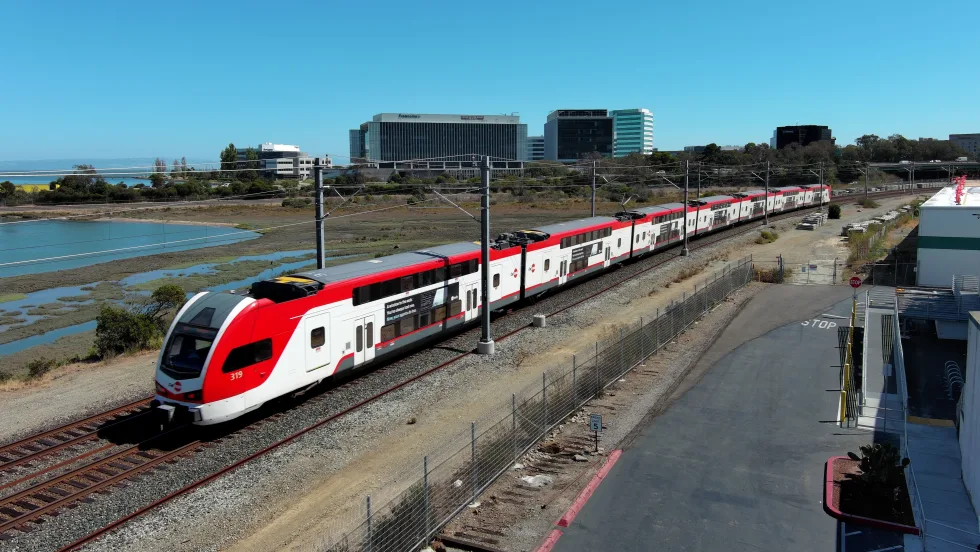
Caltrain’s Electrification Drives a New Era of Ridership Growth
The railroad’s shift to electric service has brought more frequent trains, stronger customer satisfaction, and increased ridership, earning it APTA’s Outstanding Public Transportation System award.
Read More →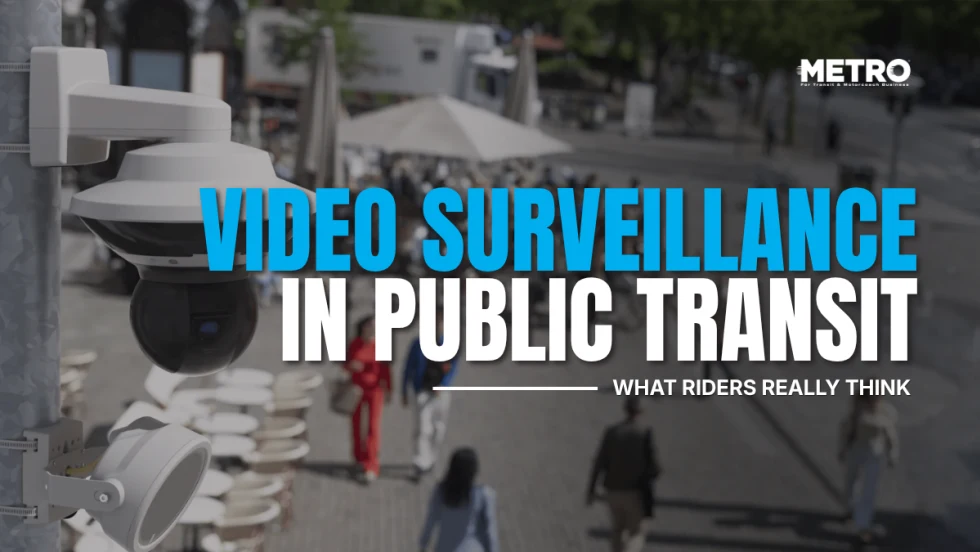
Video Surveillance in Public Transit: What Riders Really Think
As video surveillance gains public acceptance, new research from Axis Communications reveals what transit riders expect from agencies when it comes to safety, privacy, and AI.
Read More →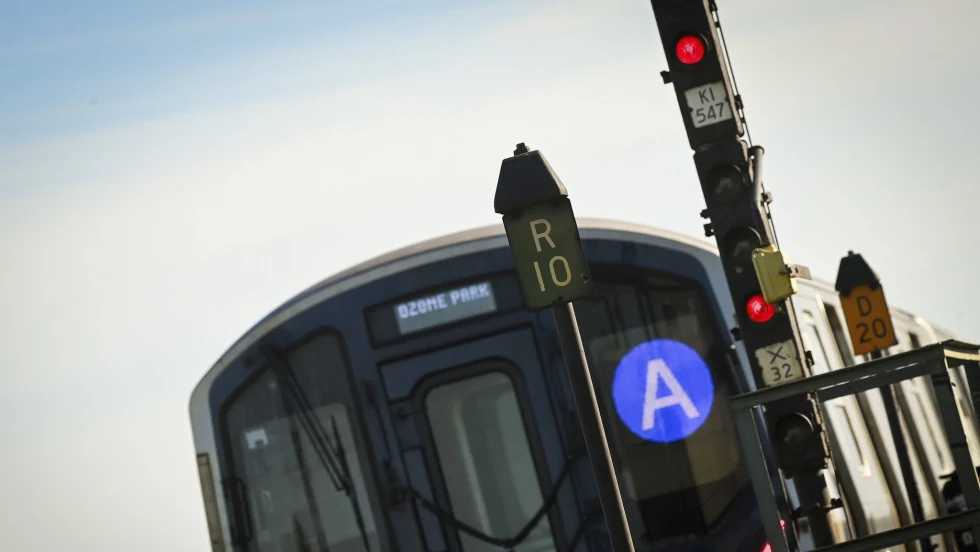
New York MTA Launches Historic $1.9B Signal, Track Modernization Project
Funded in part by congestion pricing revenue, the project will replace nearly century-old signals along the A and C lines in Brooklyn and Queens.
Read More →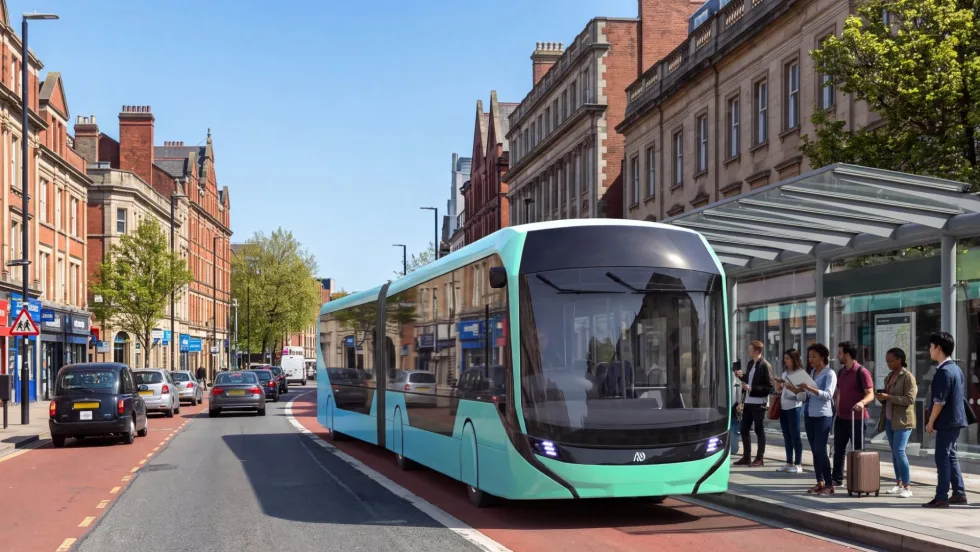
Biz Briefs: New Electric Offering from Alexander Dennis/Volvo, Transdev in Boston, and More
In METRO's latest installment, we also take a look at recent news from STV, WSP, Prevost, and more partnerships making headlines across the transportation sector.
Read More →
Roman Cornell on ABC Companies’ Evolution and the Future of Passenger Transportation
The company’s CEO discusses carrying forward a third-generation family legacy, ABC’s continued evolution in passenger transportation, support for increasingly complex fleets, and how technology and continued investment could help operators improve uptime.
Read More →
ETA CEO John Maglio on Transit Technology, Innovation, and Building Agency Trust
ETA founder and CEO John Maglio explores the evolution of transit technology, the importance of reliable systems, and how stronger partnerships can help agencies improve operations and the passenger experience.
Read More →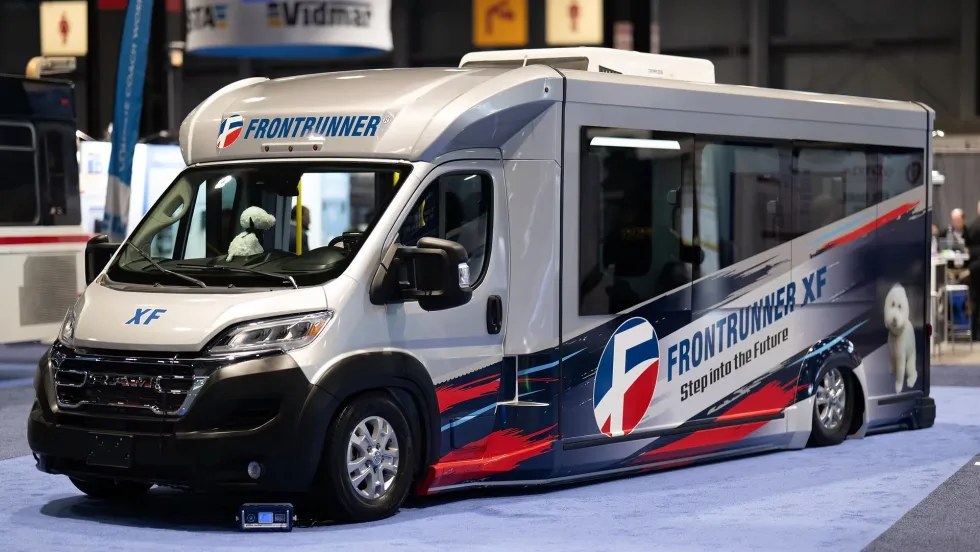
Frontrunner Bus Group Introduces XF Low-Floor Bus with Enhanced Accessibility
The new mid-sized bus features a full flat-floor design, eight-inch curbside step-in height, and zero-entry rear ramp to improve passenger access and operational flexibility.
Read More →
Building a Flexible Path to Transit Electrification with BAE's John Hroncich
John Hroncich discusses BAE Systems’ modular and scalable approach, lessons learned from decades of real-world operations, and how agencies can identify electrification strategies that fit their fleets.
Read More →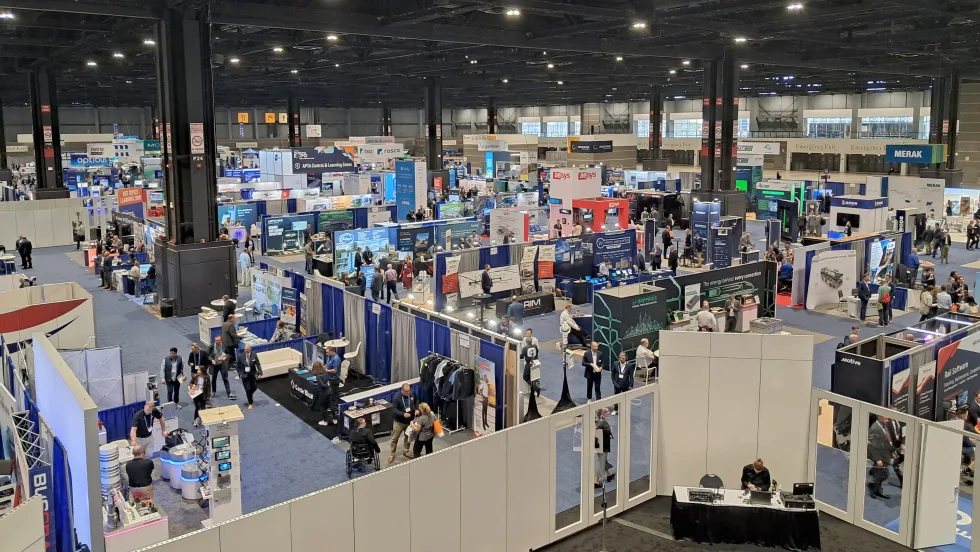
Scenes from APTA TRANSform & EXPO 2026
Transit leaders, manufacturers, and industry professionals gathered in Chicago to explore new technologies, share ideas, and discuss the future of public transportation.
Read More →
Biz Briefs: New Flyer Secures Additional 100-Bus Order from WMATA and More
In METRO's latest installment, we also take a look at recent news from Masabi, MCI, Samsara, and more partnerships making headlines across the transportation sector.
Read More →