



Uber Report Looks at the Changing Face of Mobility
Overall, the paper looks at the changing role of public transit agencies as they look to expand their network to increase mobility options in the communities they serve.
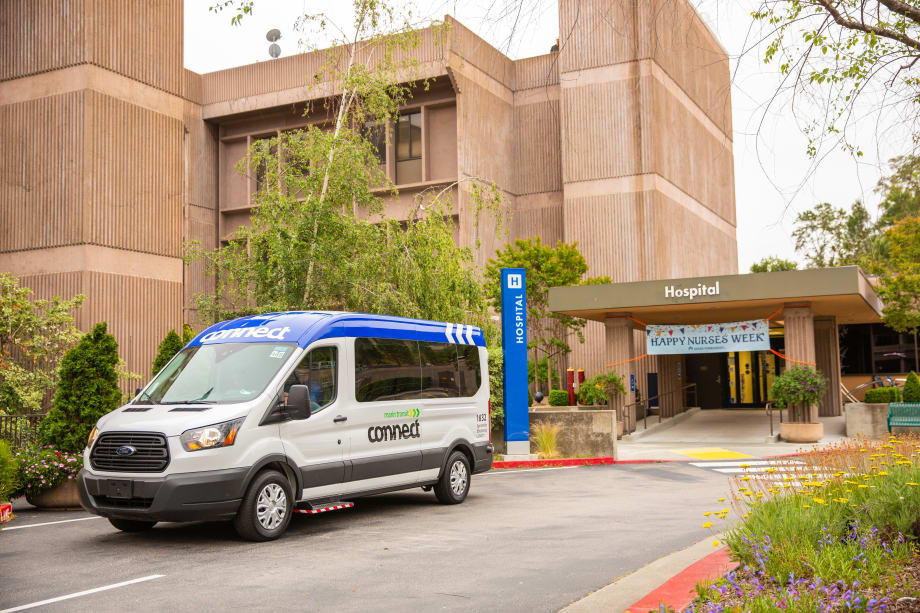
When a rider in Marin opens the Uber app, he/she/they will see a new option called “Marin Connect” that can be booked as it would with UberX. This is just one of the examples of trends coming down the road for transit.
Uber
Uber released a thought paper, “Transit Horizons: Toward A New Model of Public Transportation,” which gathers feedback from public transit leaders and taps into economic models, rider travel trends, and technology developments to offer insights the company hopes will “spark a few ideas” as the industry begins to look ahead at the changing mobility models in communities nationwide.
Structural changes around unemployment, rider preferences, and working from home are likely to linger and still impact public transit well into 2021 and beyond. Because of this, Uber’s Transit team looked at how to build resilient alternative models for public transit. Top forecasts for the future include:
Travel patterns and density can help agencies determine where on-demand service could work best for riders and agencies.
Pockets for significant cost savings exist today by incorporating on-demand service delivery models into current fixed-route or demand-response models.
Ridesharing and on-demand service can help increase equity and allow for rider and geographic expansion.
Rather than planning once every few years, network and service planning and redesign will occur monthly, weekly, or even daily to reflect actual rider travel patterns.
Rider travel patterns will dictate the future of transportation.
Transit managers will become mobility managers.
Overall, the paper looks at the changing role of public transit agencies as they look to expand their network to increase mobility options in the communities they serve. While stressing that bus and rail services remain the most efficient way to move masses of people, the report also identifies the potential increases in efficiencies and decreases in costs that could be found through these “alternative” modes of transportation, focusing on five key points:
Ideas on how to create resiliency through new business models, service models, cost structure, and technologies.
How to create an optimal mix of rideshare services for increased rider satisfaction and cost reduction.
The changing role of transit manager to mobility manager.
How to shift from a fixed cost structure to one that flexes with true rider demand.
How technology can be applied to merge different transit service delivery models.
Read the full paper here.
More New Mobility

From Hardware to Digital Partner: Luminator Charts Its Next Chapter
CEO Magnus Friberg discusses Luminator’s shift toward becoming a digital partner, the growing importance of software and interoperability, and how AI can help agencies improve operations and passenger experience.
Read More →
Biz Briefs: Alstom Lands Canadian Contract, LYT to Supply California TSP, and More
In METRO's latest installment, we take a look at recent news from Complete Coach Works, Beep, FlixBus, and more partnerships making headlines across the transportation sector.
Read More →
CharterUP’s Armir Harris on Technology, AI, and the Future of Group Mobility
In a recent episode of METROspectives, CharterUP Founder/CEO Armir Harris discussed the company’s evolution from an online charter bus marketplace into a technology platform supporting public- and private-sector mobility and much more.
Read More →
Jacksonville’s NAVI Project Charts a New Course for Autonomous Public Transportation
Through its NAVI program, JTA is showing how autonomous vehicles, intelligent infrastructure, and coordinated operations can work together to deliver everyday public transportation.
Read More →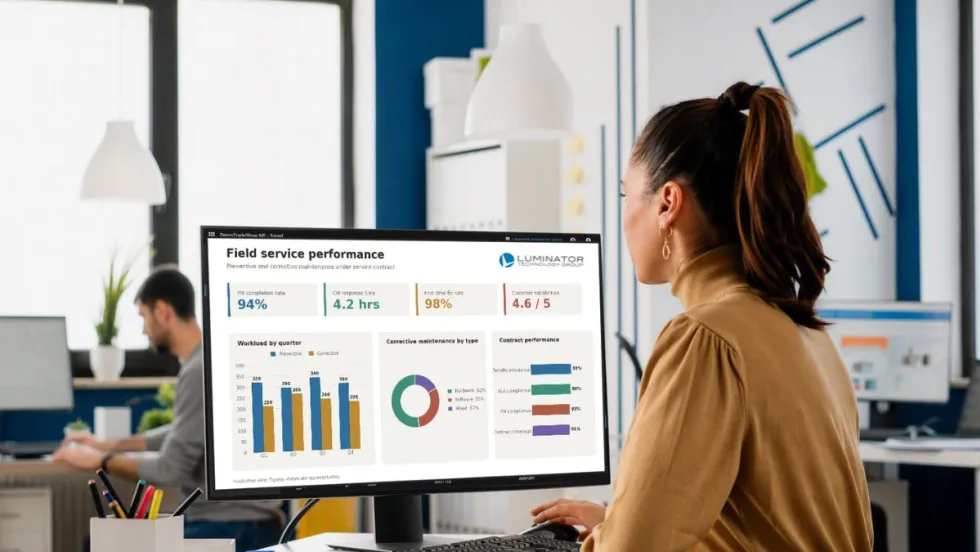
Biz Briefs: Luminator Marks Milestone and More
From manufacturers and suppliers to transit agencies and motorcoach operators, these updates offer a snapshot of the projects, partnerships and business moves driving the industry forward.
Read More →
New Tricks for Old Bureaucracies: Joshua Schank on Making Transit Innovation Stick
Former LA Metro Chief Innovation Officer Joshua Schank discusses why good ideas aren't enough, how transit agencies can overcome resistance to change, and why today's challenges demand more innovation.
Read More →
How DART's GoPass Is Redefining Regional Mobility
Serving 14 transit agencies, GoPass simplifies multimodal travel by allowing riders to plan, pay for, and manage an entire trip through one app.
Read More →
Biz Briefs: OCTA Taps Clean Energy for Hydrogen Station, Stadler to Supply Via Rail Vehicles, and More
From manufacturers and suppliers to transit agencies and motorcoach operators, these updates offer a snapshot of the projects, partnerships and business moves driving the industry forward.
Read More →CharterUP Expands Into New Mobility and Autonomous Transportation
Vice President of New Mobility Stephen Joos discusses how CharterUP is leveraging its nationwide transportation network, technology platform, and autonomous vehicle partnerships to expand into workforce mobility, campus shuttles, and transit solutions.
Read More →
METRO Magazine Announces 2026 Innovative Solutions Awards Winners
Projects Recognized for Advancing Mobility Through Technology, Accessibility, Workforce Innovation, and Operational Excellence
Read More →