



UC Davis pilot expands mobility shuttle to faculty, staff
Mobility Assistance Program provides rides to disabled individuals with a small fleet of motorized vehicles similar to golf carts.

The University of California, Davis has reorganized its Mobility Assistance Program, and will now offer the service to faculty and staff in addition to students, expanding the service to provide convenient transportation to individuals with mobility impairments to destinations across campus.
A pilot on-campus Mobility Assistance Shuttle is being offered to UC Davis students, staff, and faculty with documented disabilities (temporary or permanent) beginning Sept. 20, 2010 through Sept. 20, 2011. This program will offer shuttle service to specified stops within the UC Davis campus core for a weekly fee.
UC Davis has long had a shuttle service for students with mobility disabilities. The service has been managed by the Student Disability Center, and supported by student registration fees. A small fleet of motorized vehicles (similar to golf carts) have been available to university students who had injuries or impairments that made trips across the expansive UC Davis campus a challenge.
The new comprehensive service, renamed Mobility Assistance Shuttle, (MAS), is a collaboration between the Student Disability Center, the Department of Campus Recreation, Transportation and Parking Services (TAPS), and the ADA Special Access Funding Committee. The new MAS service will now expand to serve mobility-challenged faculty and staff with documented mobility impairments or disabilities, offering convenient pick-up and drop-offs at more than 40 locations across campus.
The Mobility Assistance Shuttle will be managed by Campus Recreation, and is available in three price categories. Students will pay $20 per week for the first week of service; $18 per week for weeks 2-6, and $15 per week for weeks 7 and beyond.
TAPS Customers will pay $30 per week for the first week of service; $27 per week for weeks 2-6 of service; and $22.50 per week for week seven and beyond.
Non-TAPS Customers will pay $40 per week for the first week of service; $36 per week for weeks 2-6 of service; and $30 per week for week seven and beyond. Students pay a lower fee because this program is largely funded by registration fees. TAPS customers pay a lower fee because TAPS is contributing funds to support the pilot program.
The Mobility Assistance Shuttle will operate 7:30 a.m. to 6:30 p.m., Monday-Friday during the academic year; 9:30 a.m. to 2:30 p.m. during the summer; and 7:30 a.m. to 3:30 p.m. during finals weekend of each quarter.
Once medical documentation is reviewed and eligibility determined, students, faculty and staff can contact Campus Recreation to schedule rides. All rides are on-campus to specified locations, and must be for academic or work-related purposes only. Rides must be scheduled at least 24 hours in advance, and are on a first-come, first-served basis. Monday rides must be scheduled by noon on the Friday prior.
More Bus

LA Metro, City of West Hollywood, and Partners Advance Smarter Bus Lane Enforcement
The award-winning partnership combines AI-powered detection with human oversight to improve bus reliability, accessibility, and enforcement efficiency.
Read More →
PSTA Modernizes Workforce Management with Digital Bidding System
The award-winning Workforce Transit Modernization project replaced paper bidding with a transparent digital platform, cutting administrative effort while improving access for operators.
Read More →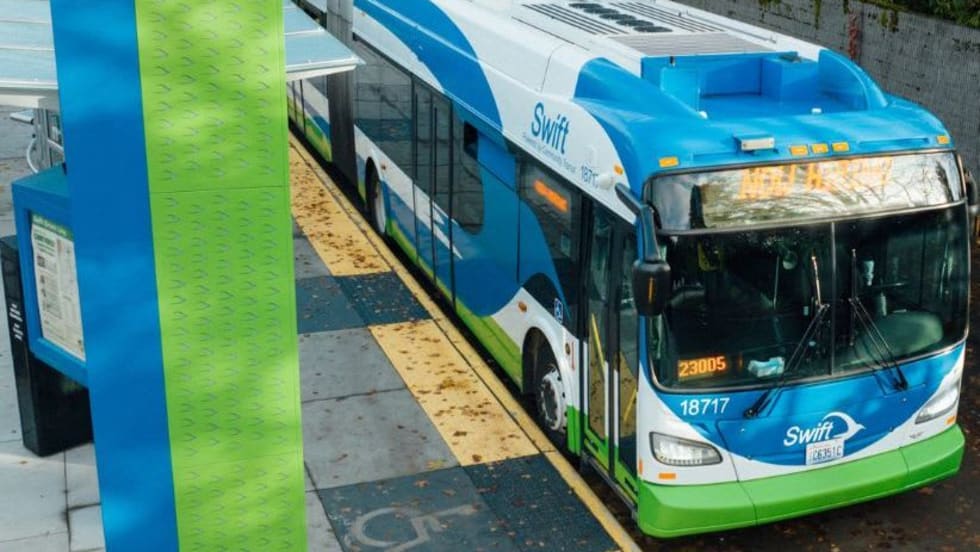
Washington's Community Transit Sets Six-Year Roadmap for Growth, Expansion
Approved TDP targets more bus service, new mobility options, Swift BRT expansion, and a potential Everett Transit annexation.
Read More →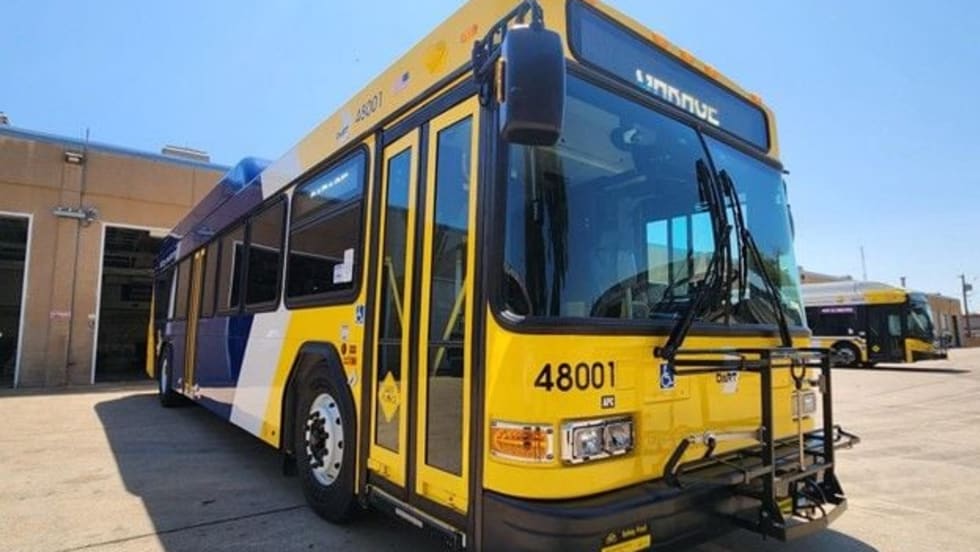
DART Customer Satisfaction Reaches Six-Year High
Overall satisfaction rose to 74.9%, while the agency’s Net Promoter Score reached a record 33.7.
Read More →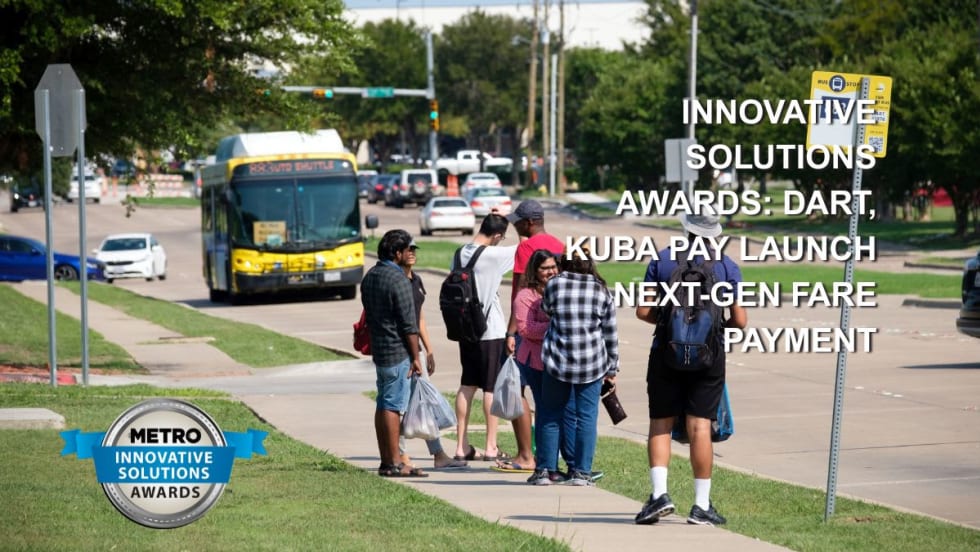
How DART's GoPass Is Redefining Regional Mobility
Serving 14 transit agencies, GoPass simplifies multimodal travel by allowing riders to plan, pay for, and manage an entire trip through one app.
Read More →
Biz Briefs: OCTA Taps Clean Energy for Hydrogen Station, Stadler to Supply Via Rail Vehicles, and More
From manufacturers and suppliers to transit agencies and motorcoach operators, these updates offer a snapshot of the projects, partnerships and business moves driving the industry forward.
Read More →
METRO Magazine Announces 2026 Innovative Solutions Awards Winners
Projects Recognized for Advancing Mobility Through Technology, Accessibility, Workforce Innovation, and Operational Excellence
Read More →
Biz Briefs: STV teams with Amtrak, Motorcoach Operators Boost Fleet and Land Contracts, and More
From manufacturers and suppliers to transit agencies and motorcoach operators, these updates offer a snapshot of the projects, partnerships and business moves driving the industry forward.
Read More →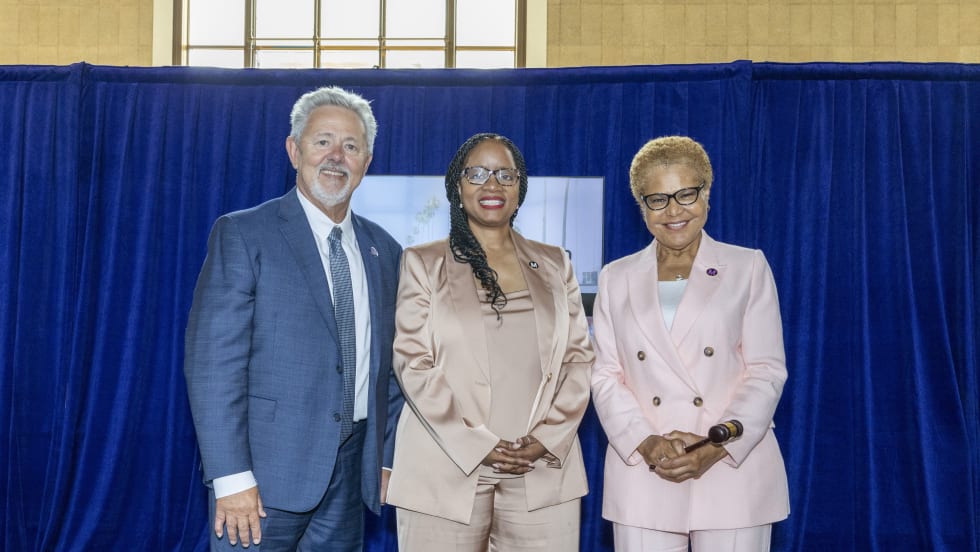
LA Metro Marks Banner Year, Sets Ambitious Goals for New Fiscal Year
Incoming LA Metro Board Chair and Los Angeles Mayor Karen Bass joined outgoing Board Chair Fernando Dutra and LA Metro CEO Stephanie Wiggins to review accomplishments from fiscal year 2026, which included the opening of new rail extensions, advancement of major transit projects, expanded safety programs, and new rider amenities.
Read More →
DART Taps Nathaniel P. Ford Sr. as Next President/CEO
Since 2012, Ford has served as the CEO of the Jacksonville Transportation Authority
Read More →