




A Paradigm Shift for Paratransit and Shuttle Bus Electrification
UITP Signs Declaration to Improve Accessibility
The Lecco declaration is a framework aligning key principles that organizations can build on to improve their own implementation of accessibility.
July 15, 2022

The project and its partners have been actively working on co-creation with users who have disabilities.
Photo: UITP
1 min to read
UITP has signed a declaration to improve accessibility within public transport.
The Lecco declaration is a framework aligning key principles that organizations can build on to improve their own implementation of accessibility.
Signed by UITP secretary general Mohamed Mezghani, Georgios Kouroupetroglou, president of AAATE (Association for the Advancement of Assistive Technology) and Laura Alčiauskaitė, project coordinator at the European Network of Independent Living, each organization is a partner of the EU-funded project, TRIPS.
The project and its partners have been actively working on co-creation with users who have disabilities, and public transport providers, to develop new design concepts to remove barriers and make public transport more accessible.
“When discussing accessibility, it is challenging to make sure all the different transport stakeholders are on board with such measures and coordinating their efforts. The Lecco declaration is important because it forces the sector to focus their attention on the user. We have to educate the sector that we are not only doing this for persons with reduced mobility, but we are doing this for everyone.”
More Paratransit

Biz Briefs: RIPTA Unveils New Frontrunners, Clevland RTA Adds New Siemens, and More
In METRO's latest installment, we take a look at recent news from Siemens, Prevost, Dodge, and more partnerships making headlines across the transportation sector.
Read More →
King County Metro Makes ADA Paratransit Easier to Navigate
METRO's Innovative Solutions Award winner replaces complex service-area descriptions with an accessible, interactive map that puts paratransit information directly in customers’ hands.
Read More →
Jacksonville’s NAVI Project Charts a New Course for Autonomous Public Transportation
Through its NAVI program, JTA is showing how autonomous vehicles, intelligent infrastructure, and coordinated operations can work together to deliver everyday public transportation.
Read More →
Driving Smarter Paratransit
John Hanlon shares how AlphaRoute is leveraging AI-powered technology to help paratransit providers optimize operations, support frontline staff, and enhance the rider experience.
Read More →
METRO Magazine Announces 2026 Innovative Solutions Awards Winners
Projects Recognized for Advancing Mobility Through Technology, Accessibility, Workforce Innovation, and Operational Excellence
Read More →
Biz Briefs: STV teams with Amtrak, Motorcoach Operators Boost Fleet and Land Contracts, and More
From manufacturers and suppliers to transit agencies and motorcoach operators, these updates offer a snapshot of the projects, partnerships and business moves driving the industry forward.
Read More →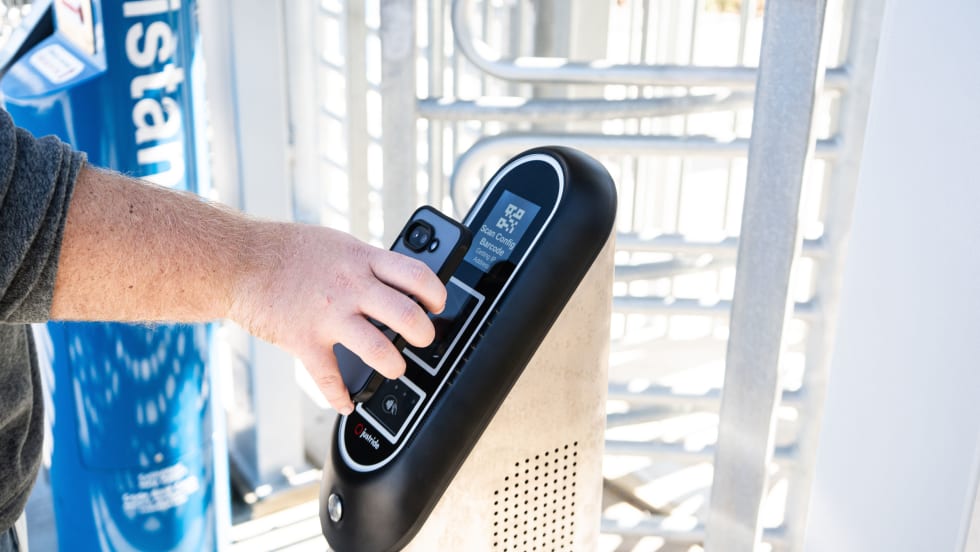
Biz Briefs: Masabi Teams with St. Louis Metro and More
In METRO's latest installment, we take a look at recent news from Transdev, Hitachi, and more partnerships making headlines across the transportation sector.
Read More →
New York MTA Leverages Zoning Program to Advance Station Accessibility
Accessibility enhancements at Nevins St Station will be financed through a development agreement tied to the MTA's Zoning for Accessibility initiative.
Read More →
Reinventing Fleet Maintenance with Real-time Visibility and AI
Transit leaders need to know what needs fixing, where to look, who is responsible, when work is completed, and what it costs without having to chase information across disconnected systems.
Read More →
SamTrans Sets Priorities for Potential Connect Bay Area Revenue
The board-approved framework allocates future funding to maintaining service, rider improvements, equity initiatives, and infrastructure repairs.
Read More →