



Web Extra: How are you preparing your alt-fuel fleet for winter?
University transit system operators from Illinois, Indiana and Virginia discuss fuel storage and heating.

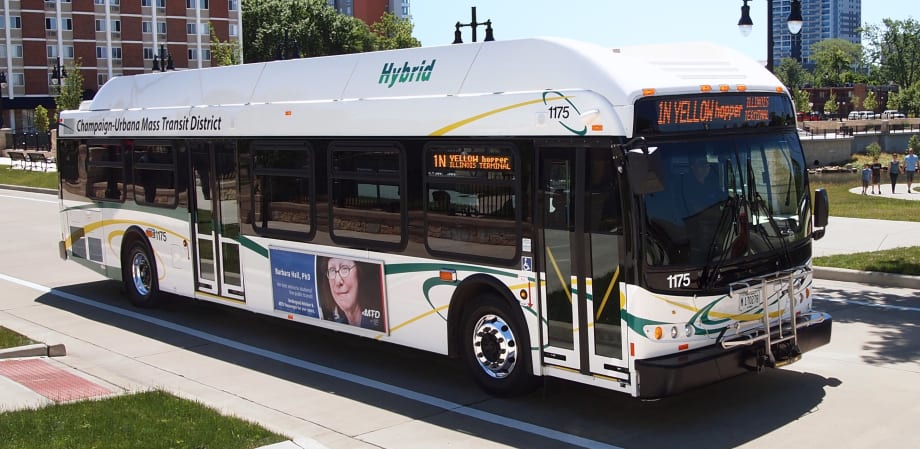
Champaign Urbana Mass Transit District, which serves the University of Illinois at Champaign-Urbana, has 32 hybrid diesel-electric buses. The agency keeps bulk tanks of DEF in a heated wash bay area.
Champaign Urbana Mass Transit District, which serves the University of Illinois at Champaign-Urbana, has 32 hybrid diesel-electric buses. The agency keeps bulk tanks of DEF in a heated wash bay area.
Winter is upon us and temperatures are dropping, even here in Southern California. In colder climates that have actual weather, transit agencies such as New York City Transit are bolstering their equipment and service strategies for the inevitable snow, ice and freezing temps.
Since many university transit systems incorporate alternative-fuel and hybrid vehicles in their fleets, we asked system operators how they are preparing these vehicles to keep them running in top condition over the next few months.
Here are their responses:
“There are no issues expected for fueling [our] hybrid coaches during the winter months. However, the new 2010 DEF engines which are in the hybrid buses do require diesel exhaust fluid to be added. This fluid will freeze. Therefore, the bulk tanks of DEF are kept in our wash bay area which is heated. That fluid is dispensed to the fleet from there. There is a heating system on each coach that keeps the DEF tank from freezing and this will be a another preventive maintenance step that will have to be performed on a scheduled basis.
Currently, [Champaign Urbana Mass Transit District] has 32 hybrid diesel-electric buses: five 30-foot Gillig buses, four 60-foot articulated New Flyer buses, and 23 40-foot New Flyer buses. We have an order in place with New Flyer for an additional 13 40-foot buses and have begun receiving these vehicles; we expect to receive the full complement in the next month or so. After receipt of that order of 13, we’ll have a total of 45 diesel-electric hybrid buses.”
Jan Kijowski, marketing director
Champaign-Urbana Mass Transit District
Urbana, Ill.
“Blacksburg Transit (BT) has nine hybrid-electric vehicles; seven, 40-foot and two 60-foot articulated. We’ve operated these vehicles for almost 18 months and have not had any fueling issues to date. BT is fortunate enough to be able to store all vehicles inside year-round so this obviously helps keep them in good running condition. Out of the nine hybrids, [so far] one is wrapped to identify it as hybrid-electric. We have a grant to develop creative for the rest of the hybrid vehicles, but haven’t completed this yet.”
Fiona Rhodes, marketing specialist
Blacksburg Transit
Blacksburg, Va.
“We operate with 20% soy biodiesel. Our fleet is stored inside overnight. We didn't have any special fuel problems last winter and don't anticipate any this year either.”
Mary Gaston, assistant general manager
Muncie Indiana Transit System
Muncie, Ind.
“We use biodiesel and we change our formulation in the winter, plus use additive to make sure it does not gel. Also we limit the percentage in the formulation to help.”
Jude Kiah, director
Go West Transit
Macomb, Ill.
"Our vehicles are hybrid electric. They have a gasoline engine with an integrated battery component and therefore do not require any changes in fuel for winter use."
Executive Director of University Relations
Western Michigan University
Kalamazoo, Mich.
More Bus

Report: Transit Bus Manufacturing Supports 34,100 Jobs, $5.1B in GDP
The “Buses Mean Business” report examines the transit bus manufacturing industry’s economic footprint, supply chain, and rising demand for vehicle replacements.
Read More →
Biz Briefs: New Flyer Delivers in Columbus, Houston, Beep and Freebee Merge, and More
In this edition of Biz Briefs, we spotlight the latest developments shaping the future of mobility.
Read More →
People Movement: Dan Dipert Coaches Adds Third-Generation Leader, Keolis Names New Valley Metro VP/GM, and More
In this edition, we also cover recent appointments and announcements at the Wabtec, SilverRide, HNTB, and more, showcasing the individuals helping to shape the future of transportation.
Read More →
New York MTA Plans Largest Bus Fleet Upgrade in More Than a Decade
The agency is seeking manufacturers for 650 new CNG buses to replace aging vehicles, improve reliability, and advance its broader fleet modernization strategy.
Read More →
Building a Flexible Path to Transit Electrification
John Hroncich discusses BAE Systems’ modular and scalable approach, lessons learned from decades of real-world operations, and how agencies can identify electrification strategies that fit their fleets.
Read More →
Bus Tech Talk: Keeping Transit Technicians Ahead of the Technology Curve
LA Metro’s Obed Mejia discusses technician training, evolving maintenance technology, fleet replacement, and strategies for getting the most out of today’s transit fleets.
Read More →
Biz Briefs: RIPTA Unveils New Frontrunners, Clevland RTA Adds New Siemens, and More
In METRO's latest installment, we take a look at recent news from Siemens, Prevost, Dodge, and more partnerships making headlines across the transportation sector.
Read More →
People Movement: Holly Arnold Joins Transdev and More
In this edition, we also cover recent appointments and announcements at Pace, CamTran, MCI, and more, showcasing the individuals helping to shape the future of transportation.
Read More →
The High Cost of Transit Buses: Industry Leaders Look to Procurement Reform
Transit leaders and policymakers examine how standardized bus designs, streamlined procurement, and predictable funding could help agencies stretch budgets and deliver better service.
Read More →
The Business Voice Behind Public Transportation
As chair of APTA’s Business Members Board of Governors, Ray Melleady explains how more than 850 business members are partnering with transit agencies to advance funding, innovation, and industry-wide collaboration.
Read More →