



WMATA facing severe funding challenges
The transit authority has called upon local, state and federal agencies to help with its capital needs.

The Washington Metropolitan Area Transit Authority (WMATA) is facing a serious financial crisis caused by a combination of an aging infrastructure and growing ridership.
If not addressed, WMATA officials said the funding shortage will result in an inability to meet the public's expectations for service reliability and demand for increased capacity to transport riders.
WMATA officials called upon federal, state and local partners to come together to fund the authority’s capital needs to sustain the transit system. WMATA requires $1.5 billion more than has already been committed over the next six years to protect and secure the $9.4 billion it took to build the Metrorail system, according to CEO Richard A. White.
“A re-commitment of the federal, state, and local partnership that created [WMATA] in 1967 is urgently needed before it is too late,” said White in a press release. “Approximately 1.15 million trips per day are made on [WMATA], and another 250,000 trips per day are made on the region's local bus and commuter rail systems. Without a viable transit system, the quality of life in our region will deteriorate, economic development will suffer, traffic on roadways will increase, and air quality will worsen."
More Management

APTA Honors 2026 Award Winners, Hall of Fame Inductees at TRANSform & EXPO
Innovations in autonomous and zero-emission transportation, standout transit systems, and industry leadership took center stage among this year's honorees.
Read More →
7 Ways to Build a Better Transit Internship Program
Lessons from DRPA/PATCO’s approach to creating a meaningful internship experience—and developing the next generation of transportation professionals.
Read More →
Scenes from APTA TRANSform & EXPO 2026
Transit leaders, manufacturers, and industry professionals gathered in Chicago to explore new technologies, share ideas, and discuss the future of public transportation.
Read More →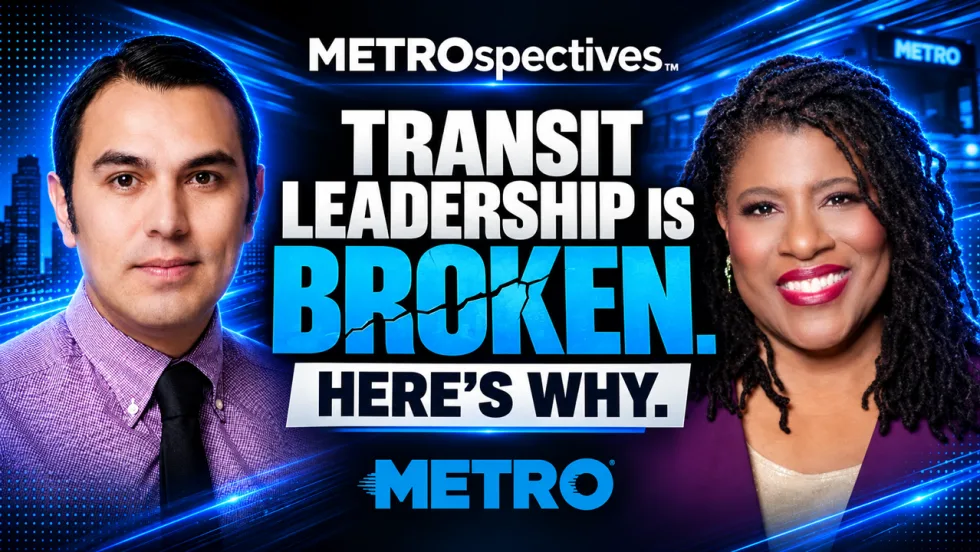
Building Stronger Leaders, More Resilient Transit Teams
Dr. Carol Parker Walsh discusses leadership development, employee retention, workplace culture, and preparing transit’s workforce for AI and automation.
Read More →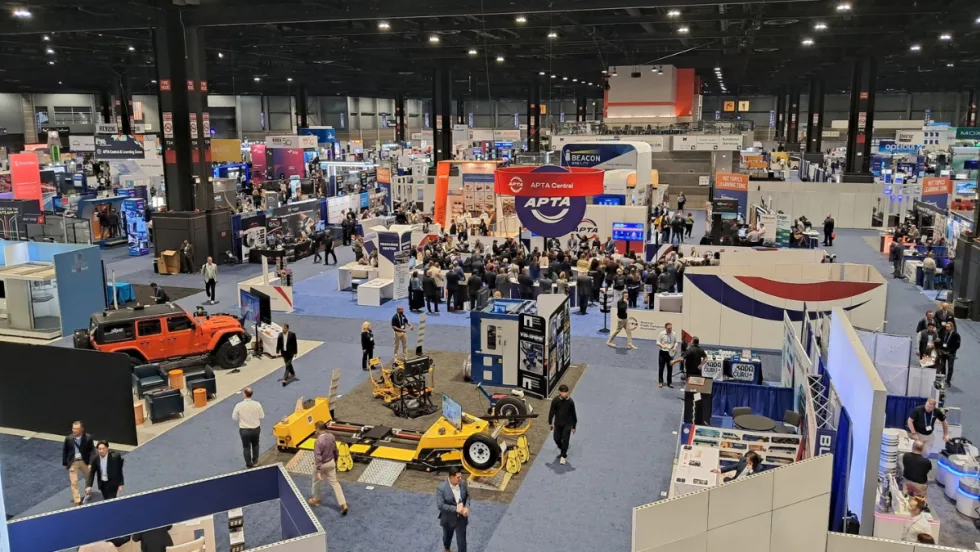
APTA 2026 TRANSform & EXPO Kicks Off in Chicago
After 45 years, APTA returns to Chicago with a focus on next-generation fleets, AI, connected transit networks, and the funding strategies shaping public transportation’s future.
Read More →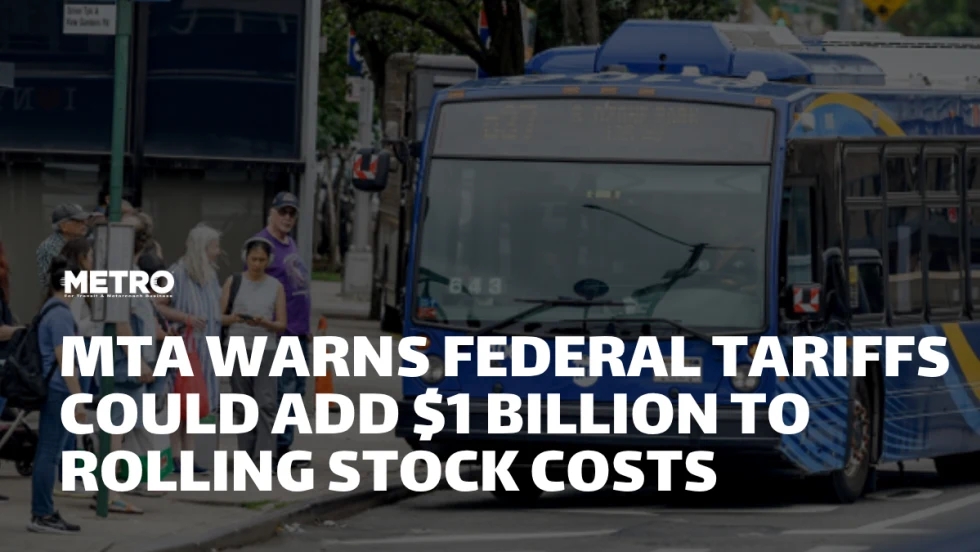
New York MTA Warns Federal Tariffs Could Add $1 Billion to Rolling Stock Costs
The agency said tariffs on specialized imported components could reduce the purchasing power of its $23 billion investment in new subway cars, railcars, and buses.
Read More →
From the Show Floor: What Happened at APTA TRANSform & EXPO 2026
See the latest product launches, partnerships, technology updates, and transit industry announcements from APTA TRANSform & EXPO in Chicago.
Read More →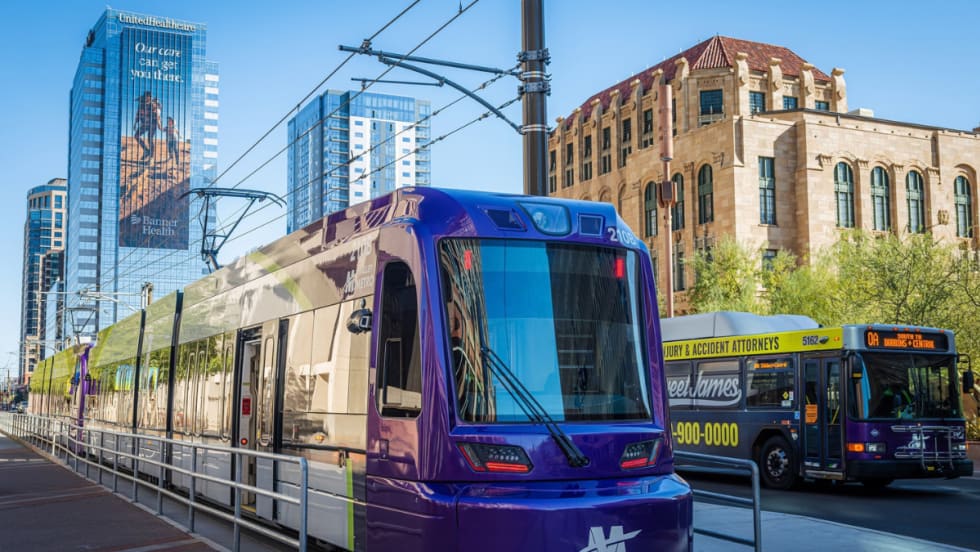
How Valley Metro Is Balancing Transit Growth With the Rider Experience
The APTA award-winning agency is pairing rapid system expansion with investments in workforce, safety, technology, and the fundamentals of transit service.
Read More →
Bus Tech Talk: Keeping Transit Technicians Ahead of the Technology Curve
In this episode of Bus Tech Talk, Complete Coach Works’ Business Development Manager Mark Hollenbeck and METRO’s Executive Editor Alex Roman sit down with Obed Mejia, Senior Technical Trainer for Bus Maintenance, at LA Metro to discuss how rapidly evolving bus technology is changing the maintenance shop — and the skills technicians need to keep pace.
Read More →
Michael Schneider Joins Paslay Group to Expand Transportation Practice
The longtime transportation executive will help Paslay Group grow its advisory and program management work across transit, highway, and other infrastructure sectors.
Read More →