



WMATA Looks to Increase Sustainability with Release of Climate Bonds
Issuing Climate Bonds will help WMATA attract more environmentally conscious buyers to increase investor demand and result in a better, more competitive rate for the transit agency.
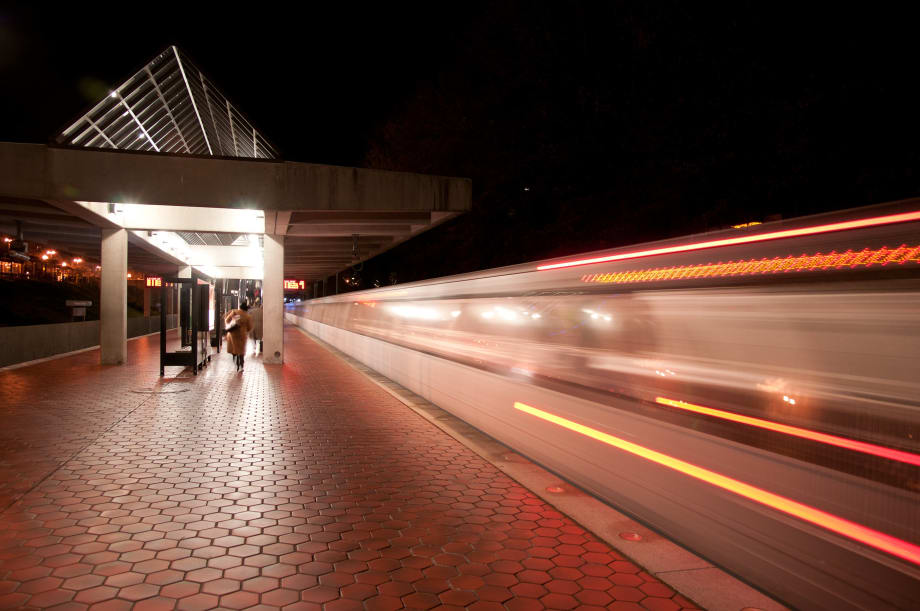
Over the next six years, WMATA will make extensive capital investments in its fleet, traction power, and infrastructure that will shape the region’s sustainability efforts.
Larry Levine
The Washington Metropolitan Area Transit Authority (WMATA) announced the release of Climate Bonds Certified green bonds as part of the agency’s commitment to delivering sustainable, cost-effective transportation service to the Washington Metropolitan Region. The green certification confirms that WMATA’s planned capital investments support climate change solutions, including within the categories of clean energy and energy efficiency.
Issuing Climate Bonds will help WMATA attract more environmentally conscious buyers to increase investor demand and result in a better, more competitive rate for the transit agency.
The projected $874 million bond offer, approved by WMATA’s board last week, will fund capital projects in support of the agency’s Energy Action Plan to reduce energy consumption and improve efficiencies.
“As we build for the future, we recognize Metro’s leadership role to address the region’s climate challenges through sustainable transportation and solutions,” said WMATA GM/CEO Paul J. Wiedefeld. “Issuing these bonds demonstrates our commitment to support the region’s sustainability goals and helps expand zero- and low-emission public transportation options in the Washington Metropolitan region.”
Over the next six years, WMATA will make extensive capital investments in its fleet, traction power, and infrastructure that will shape the region’s sustainability efforts. The Climate Bonds are based on the environmentally sustainable elements of the Capital Improvement Program and will finance green infrastructure and climate resiliency projects including:
Traction power upgrades to support additional eight-car trains
Fare collection modernization
Zero-emission bus system upgrades
Bus facility upgrades including Bladensburg and Northern which are expected to meet LEED green building standards
The bond offering, verified by Kestrel Verifiers against the Climate Bonds Standard ensures the proceeds are used exclusively to fund projects with material environmental benefits. Climate Bonds are bonds, which have been verified against rigorous criteria to confirm consistency with the two-degree Celsius warming limit established by the Paris Climate Agreement.
Issuing these bonds aligns with WMATA’s commitment to sustainability. As outlined in its most recent sustainability report, WMATA has made an impact on regional sustainability in three primary areas: Livability & Accessibility, Economic Prosperity, and Environmental Impact.
The Climate Bonds will help advance sustainable investments that protect the environment, improve the quality of life of residents and visitors to our region, and help facilitate a transition to a low-carbon economy.
Between 2018 and 2020 the amount of debt issued in the Green Bond market in the U.S. increased by a multiple of six times to $46.9 Billion. WMATA’s Series 2021A Bonds, projected at $874 million, represents the fourth largest issuance of Green Bonds since 2020 in the municipal market.
More Management

METRO Opens Submissions for 2026 Motorcoach Awards
Nominations are now being accepted for METRO Magazine’s Operator of the Year and Innovative Operator of the Year awards.
Read More →
New York MTA Advances Final Contract for Second Avenue Subway Expansion
Contract Four is the largest in the Second Avenue Subway Phase 2 project and includes construction of station infrastructure, tracks, and signals for the subway expansion, MTA officials said. Work on Contract Four will begin in 2027.
Read More →
Transit Agencies Highlight Safety Gains at National Summit
Leaders from 15 major transit systems shared crime-reduction results and safety initiatives while discussing the role of continued federal support.
Read More →

NITA Names New Leadership, Expands Reduced-Fare Program at First Board Meeting
The new regional transit authority appointed its first board chair and interim executive director while extending reduced fares across CTA, Metra, and Pace for eligible riders.
Read More →
Beyond the Checklist: A Structured Approach to Transit Maintenance
Reliability-Centered Maintenance helps transit agencies move beyond routine checklists to focus limited resources on the assets and failures that have the greatest impact on safety, reliability, and service.
Read More →
APTA 2026 Nominating Committee Selects Leadership Slate, Names Chair and Vice Chair Nominees
Leadership changes will help shape the association’s priorities and its representation of the transportation industry during the 2026–2027 term.
Read More →
DART Launches Major Security, Fare Enforcement Initiative
The 90-day demonstration will deploy coordinated security teams at five light rail stations while testing controlled access and gathering data to guide future investments.
Read More →
Advancing Fare Collection Through Technology and Innovation
Learn about delivering 1300 gates at 91 stations while managing fare evasion. Explore the large scale deployment, solution customization and real-world results that affect the region. Prepare for deployment in your region now.
Read More →
Game Day in Motion: Moving Millions During the 2026 World Cup
Between packed transit stations and team motorcoaches, see how agencies and operators across North America tackled the transportation demands of the 2026 FIFA World Cup.
Read More →
Surface Transportation Extension Averts Shutdown, Leaves Transit Funding Gap
The stopgap keeps federal transportation programs moving, but missing advance funding could complicate the transit and rail projects agencies are planning next.
Read More →