



WMATA Report Sees Improvements in Ridership, Customer Satisfaction
Nearly one-half of Metrobus customers saw buses arrive every 12 minutes or less, and more than half of rail customers saw trains arrive every six minutes or less, on average.

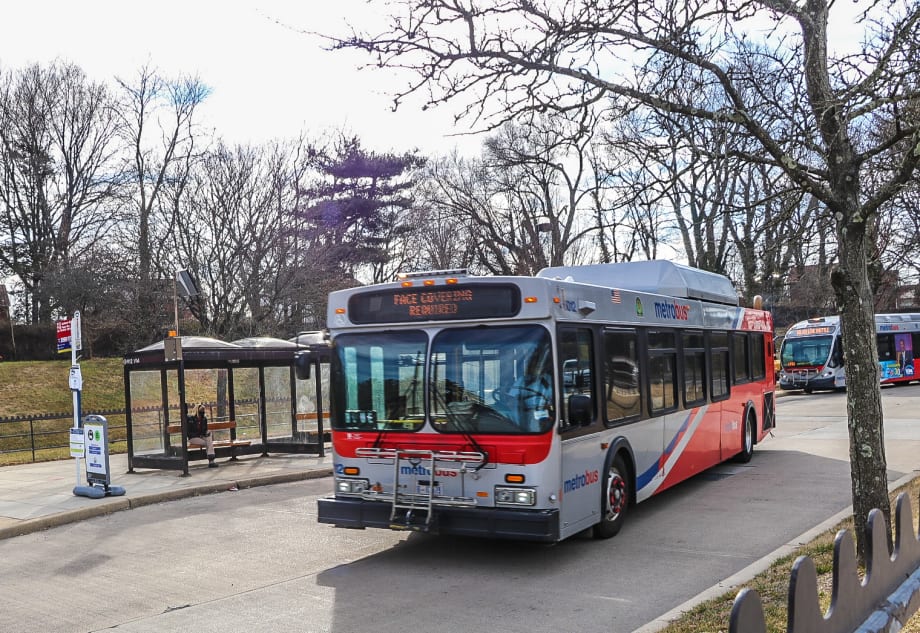
In tandem with the “Your Metro, The Way Forward” report, the board is discussing with staff action plans that deliver a road map for autonomous trains, zero-emissions buses, and sweeping digitization to improve productivity and compliance.
Photo: WMATA
According to the first annual report on the results of the Washington Metropolitan Area Transit Authority’s (WMATA) board-approved strategic plan, “Your Metro, The Way Forward,” bus and rail ridership increased more than 4.5 million trips a month over the previous year, fueled by frequent, reliable, and safe service.
Nearly one-half of Metrobus customers saw buses arrive every 12 minutes or less, and more than half of rail customers saw trains arrive every six minutes or less, on average.
The strategic plan also called for creative measures to reduce crime and improve customer perception of security. Crisis intervention specialists, partnerships with local law enforcement for enhanced station patrols, and more patrols onboard trains and buses have reduced Part I (violent) crimes by 14%.
“As reflected in the unprecedented levels of customer satisfaction, the investment in service frequency, reliability and security is helping people choose to come back to Metro and earning new customers,” said Board Chair Paul C. Smedberg. “We are able to make substantial customer and service improvements, all while lowering our costs and becoming more operationally efficient.”
Boosting Service
While providing more frequent service, WMATA reduced costs by $183 million through one-time budget actions, newly identified recurring operating cost efficiencies, and salary/wage freezes.
The agency has also sized trains to match ridership demand, launching its first six-car trains on its newest railcar fleet.
Financially, WMATA has outperformed expense projections with tight management controls, had a clean independent audit for the ninth straight year, and maintained its AA bond rating, keeping the cost of borrowing in check. At the end of the second quarter, the agency is tracking under its projected operating budget.
Additionally, WMATA’s efforts to install new fare gates, as part of a program of enhanced enforcement, have reduced fare evasion in targeted stations by 70%.
WMATA’s Annual Report
The annual report, released with metrics showing progress over the first year of the plan’s implementation, shows targets were exceeded in key areas that advance the region’s goals, including reductions in greenhouse emissions.
WMATA’s emissions reduction saved the equivalent of driving about 200 million miles in an average gasoline-powered car.
In tandem with the annual report, the board is discussing with staff action plans that deliver a road map for autonomous trains, zero-emissions buses, and sweeping digitization to improve productivity and compliance.
More Management
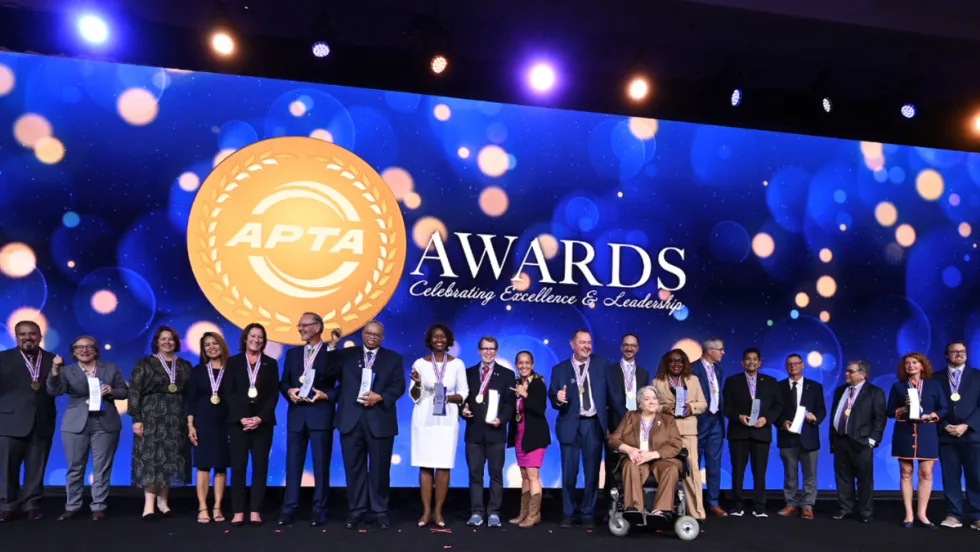
APTA Honors 2026 Award Winners, Hall of Fame Inductees at TRANSform & EXPO
Innovations in autonomous and zero-emission transportation, standout transit systems, and industry leadership took center stage among this year's honorees.
Read More →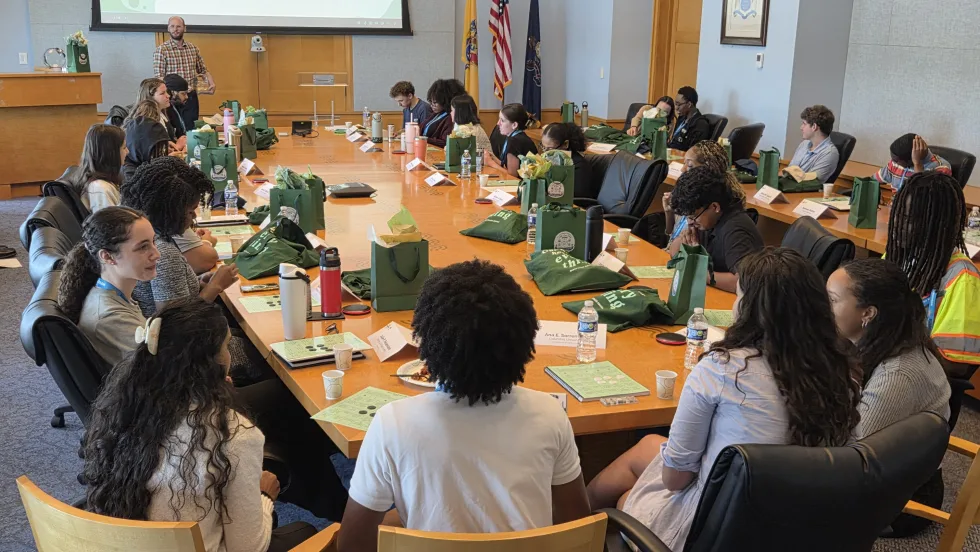
7 Ways to Build a Better Transit Internship Program
Lessons from DRPA/PATCO’s approach to creating a meaningful internship experience—and developing the next generation of transportation professionals.
Read More →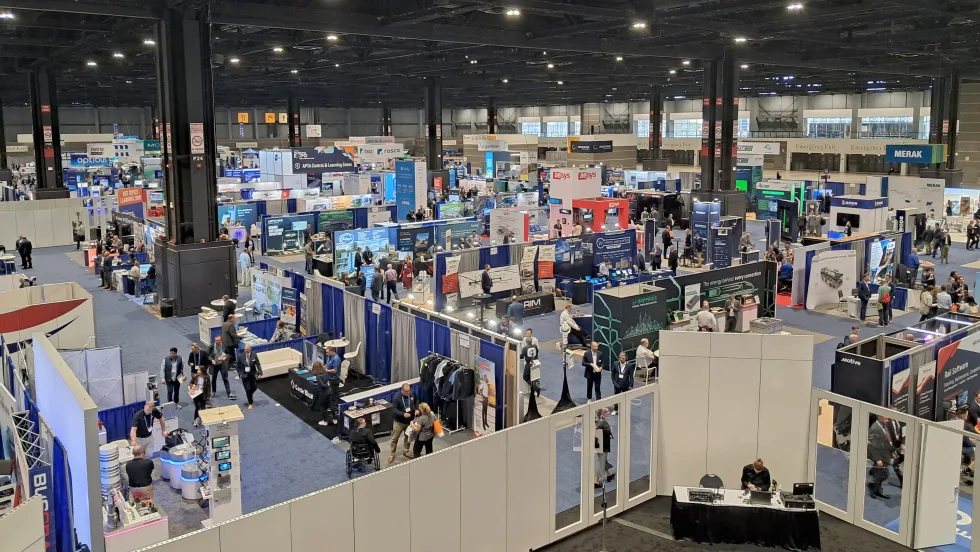
Scenes from APTA TRANSform & EXPO 2026
Transit leaders, manufacturers, and industry professionals gathered in Chicago to explore new technologies, share ideas, and discuss the future of public transportation.
Read More →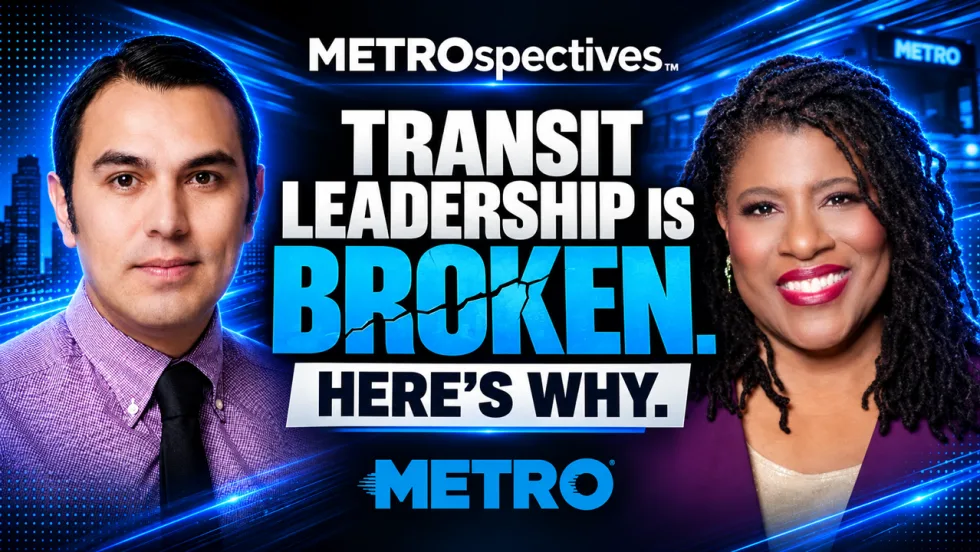
Building Stronger Leaders, More Resilient Transit Teams
Dr. Carol Parker Walsh discusses leadership development, employee retention, workplace culture, and preparing transit’s workforce for AI and automation.
Read More →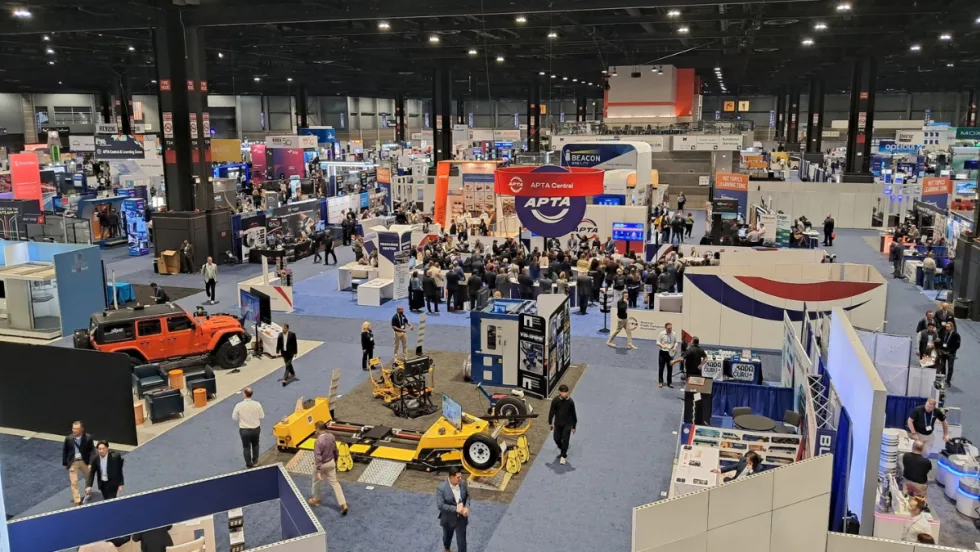
APTA 2026 TRANSform & EXPO Kicks Off in Chicago
After 45 years, APTA returns to Chicago with a focus on next-generation fleets, AI, connected transit networks, and the funding strategies shaping public transportation’s future.
Read More →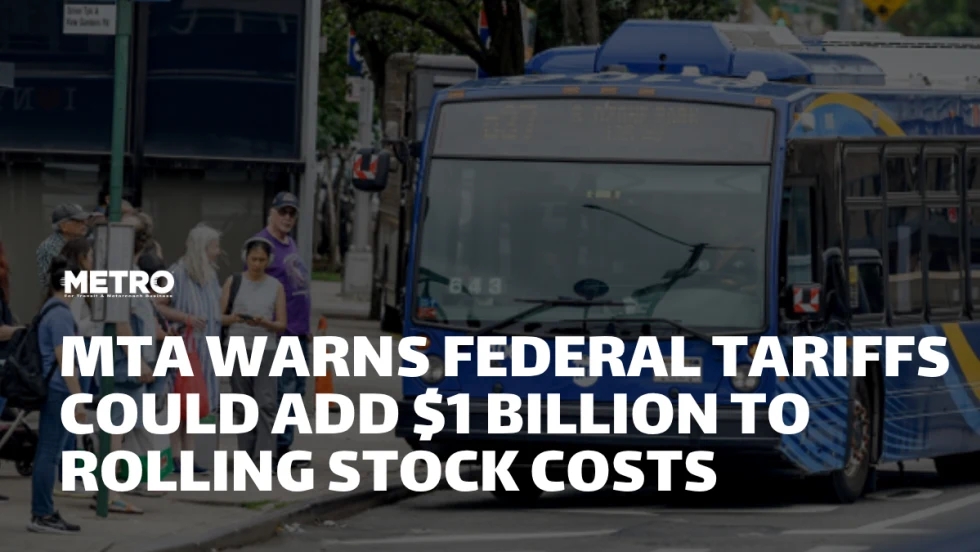
New York MTA Warns Federal Tariffs Could Add $1 Billion to Rolling Stock Costs
The agency said tariffs on specialized imported components could reduce the purchasing power of its $23 billion investment in new subway cars, railcars, and buses.
Read More →
From the Show Floor: What Happened at APTA TRANSform & EXPO 2026
See the latest product launches, partnerships, technology updates, and transit industry announcements from APTA TRANSform & EXPO in Chicago.
Read More →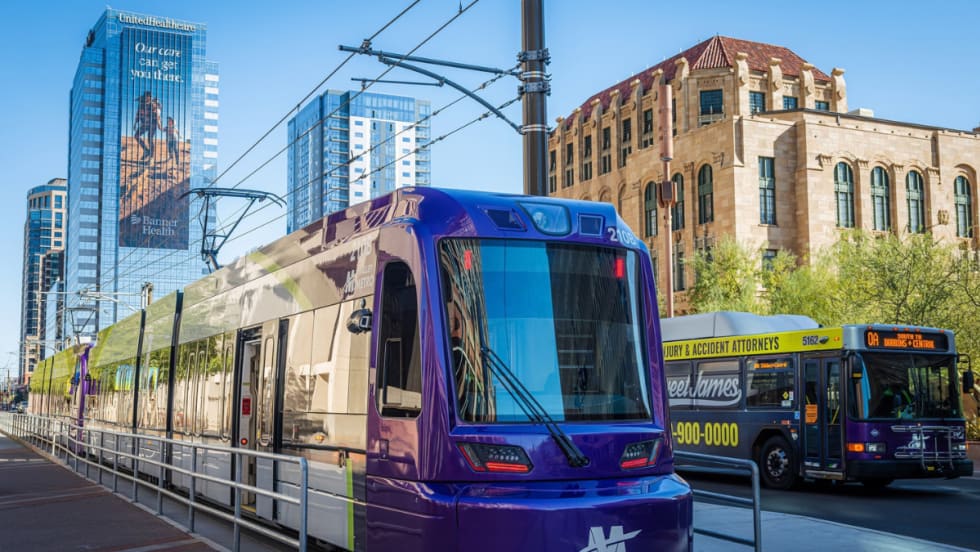
How Valley Metro Is Balancing Transit Growth With the Rider Experience
The APTA award-winning agency is pairing rapid system expansion with investments in workforce, safety, technology, and the fundamentals of transit service.
Read More →
Bus Tech Talk: Keeping Transit Technicians Ahead of the Technology Curve
In this episode of Bus Tech Talk, Complete Coach Works’ Business Development Manager Mark Hollenbeck and METRO’s Executive Editor Alex Roman sit down with Obed Mejia, Senior Technical Trainer for Bus Maintenance, at LA Metro to discuss how rapidly evolving bus technology is changing the maintenance shop — and the skills technicians need to keep pace.
Read More →
Michael Schneider Joins Paslay Group to Expand Transportation Practice
The longtime transportation executive will help Paslay Group grow its advisory and program management work across transit, highway, and other infrastructure sectors.
Read More →