




Read More: California Invests $1 Billion in Transportation Infrastructure
WMATA saves $500 million over two years
After two years of committing to financial sustainability, the Washington Metropolitan Area Transit Authority has reported finding half a billion dollars in savings.
February 4, 2025
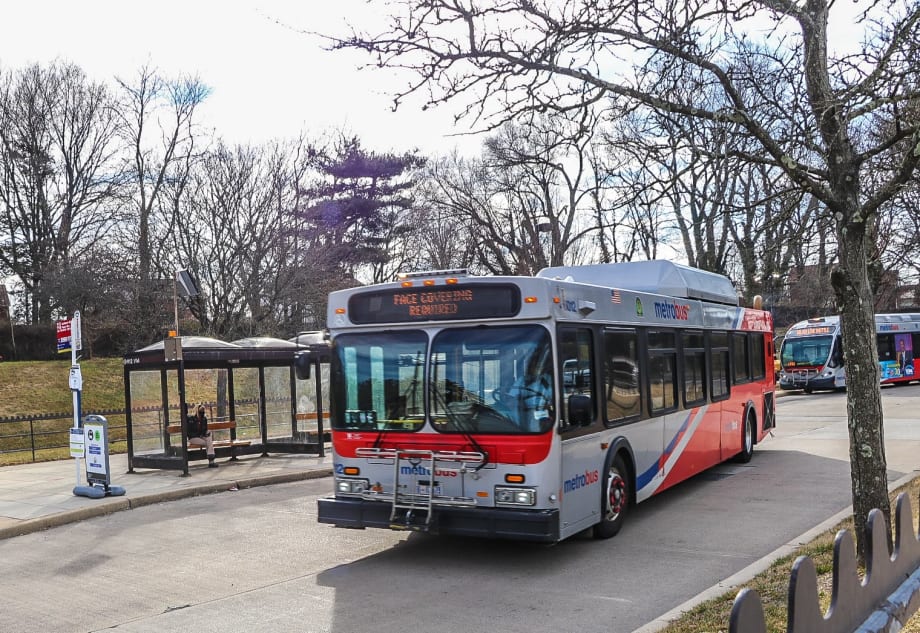
The WMATA has found $500 million in savings, part of which will be used to help implement their Better Bus Redesign plan.
Photo: WMATA
3 min to read
The Washington Metropolitan Area Transit Authority (WMATA) presented a proposed balanced budget for fiscal year 2026. This budget shows the commitment made to financial sustainability, identifying cost savings, and building on financial accomplishments made in recent years.
WMATA’s Executive Vice President and CFO Yetunde Olumide presented the latest mid-year financial update to the board. Their ridership, revenue, and customer satisfaction numbers have continued to grow over the last two years.
Revenue was recorded at 16% above budgeted projections last quarter with increased paid rail ridership.
WMATA has been aggressively pursuing ways to reduce fare evasion recently, including utilizing modernized fare gates at rail stations, increasing enforcement, and an enhanced bus fare evasion campaign that underscores that fares pay for the service.
Total ridership reached 127 million trips for the quarter, 11% above budget and 8% higher than the same period last year.
WMATA ended 2024 with 92% customer satisfaction for Metrorail, 83% satisfaction for Metrobus, and 79% satisfaction for MetroAccess.
“Metro has been mindful of tight budgets and our need for long term funding sustainability and has aggressively sought to cut costs and find efficiencies wherever possible," said Matt Letourneau, Metro Board Finance and Capital Committee Chair.
Finding Savings
In recent years, WMATA has been identifying inefficiencies, freezing wages, consolidating call centers, reducing the use of consultants, optimizing its rail service, and more. With these efforts, WMATA has managed to find $500 million in savings.
In the new capital program, WMATA redesigned and standardized new bus shelters to save more than half the cost. WMATA has also reduced capital program administration costs by $175 million and IT support costs by nearly $17 million.
Balancing revenue growth and expense management is a focus for WMATA. The hope is to ensure sustainable operations while maintaining safe and reliable service for customers.
Enhancing Service
Several service enhancements have been proposed that would begin next July without any additional financial subsidy beyond what was previously agreed to with local jurisdictions.
One proposition is to send every other Yellow Line train to Greenbelt, splitting Sliver Line service between Downtown Largo and New Carrollton, while adding more Red and Silver line trains during peak rush periods to meet demand.
The Better Bus Network redesign, the first major redesign in 50 years, is also in the works. The redesign will introduce a “tap and go” fare system, allowing taps from credit and debit cards at fare gates and fare boxes.
The proposed budget also calls for extending weekend hours, opening the rail system one hour earlier on weekend mornings and closing one hour later during weekend late nights.
WMATA will continue to track and monitor ridership, revenue, and expenses and provide periodic updates to the board of directors.
More Management

METRO Opens Submissions for 2026 Motorcoach Awards
Nominations are now being accepted for METRO Magazine’s Operator of the Year and Innovative Operator of the Year awards.
Read More →
New York MTA Advances Final Contract for Second Avenue Subway Expansion
Contract Four is the largest in the Second Avenue Subway Phase 2 project and includes construction of station infrastructure, tracks, and signals for the subway expansion, MTA officials said. Work on Contract Four will begin in 2027.
Read More →
Transit Agencies Highlight Safety Gains at National Summit
Leaders from 15 major transit systems shared crime-reduction results and safety initiatives while discussing the role of continued federal support.
Read More →

NITA Names New Leadership, Expands Reduced-Fare Program at First Board Meeting
The new regional transit authority appointed its first board chair and interim executive director while extending reduced fares across CTA, Metra, and Pace for eligible riders.
Read More →
Beyond the Checklist: A Structured Approach to Transit Maintenance
Reliability-Centered Maintenance helps transit agencies move beyond routine checklists to focus limited resources on the assets and failures that have the greatest impact on safety, reliability, and service.
Read More →
APTA 2026 Nominating Committee Selects Leadership Slate, Names Chair and Vice Chair Nominees
Leadership changes will help shape the association’s priorities and its representation of the transportation industry during the 2026–2027 term.
Read More →
DART Launches Major Security, Fare Enforcement Initiative
The 90-day demonstration will deploy coordinated security teams at five light rail stations while testing controlled access and gathering data to guide future investments.
Read More →
Sponsored•September 9, 2026
Advancing Fare Collection Through Technology and Innovation
Learn about delivering 1300 gates at 91 stations while managing fare evasion. Explore the large scale deployment, solution customization and real-world results that affect the region. Prepare for deployment in your region now.
Read More →
Game Day in Motion: Moving Millions During the 2026 World Cup
Between packed transit stations and team motorcoaches, see how agencies and operators across North America tackled the transportation demands of the 2026 FIFA World Cup.
Read More →
Surface Transportation Extension Averts Shutdown, Leaves Transit Funding Gap
The stopgap keeps federal transportation programs moving, but missing advance funding could complicate the transit and rail projects agencies are planning next.
Read More →