



To fully capitalize on the benefits of modern digital asset management, rail companies need to modernize their core IT platforms.
The Future of Rail Asset Management is Digital
To fully capitalize on the benefits of modern digital asset management, rail operations need to modernize their core IT platforms.
by Adam Roark
October 16, 2019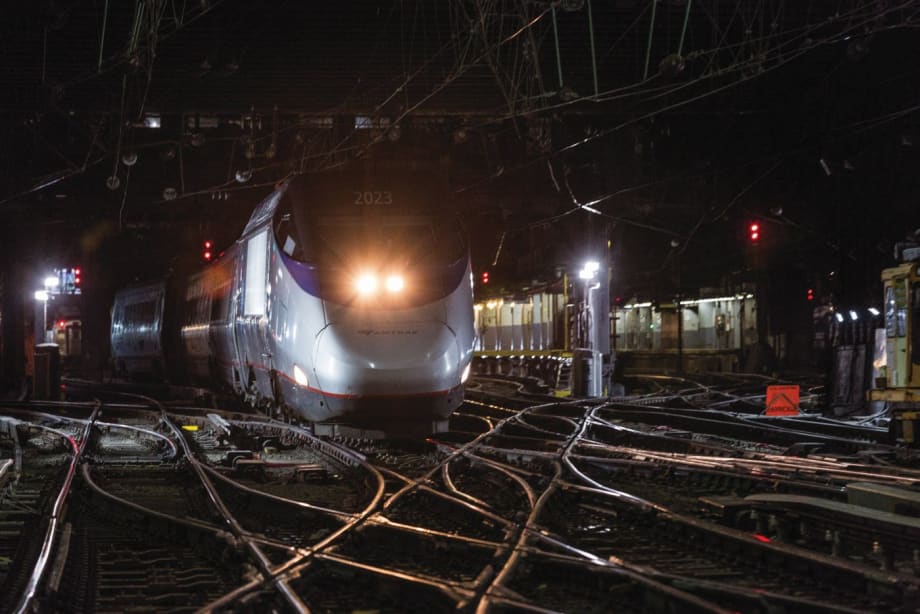
To fully capitalize on the benefits of modern digital asset management, rail companies need to modernize their core IT platforms.
Amtrak
4 min to read
To fully capitalize on the benefits of modern digital asset management, rail companies need to modernize their core IT platforms.
Amtrak
Imagine this scenario: A leading railway operator is facing serious growing pains. It is experiencing a 50% increase in passengers compared to a decade ago, and it is operating its trains on a 19th-century rail infrastructure that is incapable of supporting, for example, a more modern double-decker train. Further burdened by complicated maintenance processes, the railway operator is struggling to stay relevant and move toward the future in stride.
How can this operator stay current, efficient and profitable in the digital age? The answer lies in transforming operations with next-generation industry solutions — including digital rail asset management.
Getting on track
Rail companies have traditionally relied on field personnel and paper records to track and analyze the integrity, safety, and compliance of their assets and infrastructure. Today, digital rail asset management can help companies achieve more efficient approaches using solutions such as connected asset life-cycle management and “smart technician” tools in the field.
Incorporating these solutions can increase asset performance, reliability, and availability while enabling predictive and proactive maintenance models. They can drastically reduce unplanned downtime, avoiding lost production and missed operating targets. Rail operators can reliably plan and schedule asset maintenance, knowing that all necessary resources will be available when they’re needed — on schedule and on budget.
Enabled by the rail internet of things (IoT), connected, intelligent devices can constantly track rail assets by gathering real-time data through sensors, camera drones, and other mobile technologies, and feeding the data into analytics engines for further processing. Having this network of devices that monitor infrastructure in real time has enormous positive implications for organizations dealing with aging infrastructure, especially in maintenance, repair, and operations.
For example, intelligent sensors attached to intervals of a rail line can monitor temperature, motion, pressure, and other criteria. Feeding that sensor data through an advanced analytics engine, powered by artificial intelligence, and machine learning, enables rail operators to identify where maintenance is needed before rail components show signs of compromise.
Technicians in the field can act on that information with the help of technologies such as smart glasses, smart watches, and portable screens. For instance, hands-free smart glasses can display an augmented-reality version of a repair site, along with diagrams or instructional videos, in real time. Smart devices in the field can also enable voice-activated commands and controls, remote collaboration with experts via audio or video conferencing, and intelligent checklists with step-by-step instructions for maintenance and repair.
To fully capitalize on the benefits of modern digital asset management, rail companies need to modernize their core IT platforms.
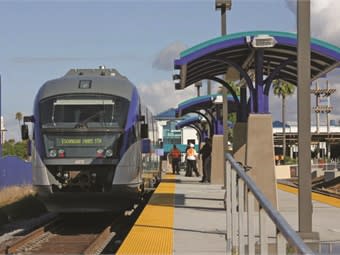
NCTD
Real-time asset data can also be fed into mass transit control systems, rail energy optimization systems, delay predictors, mobile work-order systems, and many other intelligent systems that centralize operations and connect sensors to technicians using powerful artificial intelligence.
To fully capitalize on the benefits of modern digital asset management, rail companies need to modernize their core IT platforms. Legacy technology systems may not be capable of processing the volumes of data coming in from sensors and drones. Modern platforms will likely be able to better handle this deluge of data, and analyze it faster and more robustly to drive quicker decision making.
A modern digital platform comprises a set of micro-services that work together as a digital core to enable rail operators to derive value from a consistent, information-driven operating model. A digital platform creates a foundation for change that enables dependable and optimized global execution of operations and services.
Looking forward
Consider how digital asset management transformation could help that struggling rail operator. Imagine that the company implemented a solution that incorporates cutting-edge IoT technology and aerial imaging equipment to give fieldworkers a precise, detailed visualization of all the network’s assets so they can predict events as specific as where falling leaves will affect rail lines.
Technicians would spend fewer hours on track maintenance per year and could refocus their efforts on other projects. The company might also glean more timely and actionable details on its maintenance budgets to know precisely where maintenance dollars are being spent. The assets would be in the best possible condition, thus increasing efficiency and safety for workers, passengers, and the environment.
Adam Roark, GM of freight, logistics and rail, in DXC Technology’s Travel, Transportation, and Hospitality group.
(This story originally appeared in July 2019)
Subscribe to Our Newsletter
More Rail

New York MTA Advances Final Contract for Second Avenue Subway Expansion
Contract Four is the largest in the Second Avenue Subway Phase 2 project and includes construction of station infrastructure, tracks, and signals for the subway expansion, MTA officials said. Work on Contract Four will begin in 2027.
Read More →
San Diego MTS Breaks Monthly Trolley Ridership Record
Agency officials said July’s ridership indicates MTS’s continued recovery from the pandemic.
Read More →
Report Examines NJ TRANSIT Reliability, Funding Challenges
The Garden State Initiative analysis examines the roles of Amtrak infrastructure, fleet management, and agency operations while recommending a more performance-based approach to improving reliability.
Read More →
Stadler, CapMetro Sign Long-Term Rail Fleet Support Agreement
Beginning in 2027, Stadler will provide on-site technical expertise, spare parts support, training, and obsolescence management to help extend the reliability and longevity of CapMetro’s GTW fleet.
Read More →
Biz Briefs: Alstom Lands Canadian Contract, LYT to Supply California TSP, and More
In METRO's latest installment, we take a look at recent news from Complete Coach Works, Beep, FlixBus, and more partnerships making headlines across the transportation sector.
Read More →
CATS Gold Line Marks 5 Years of Service, 2.8M Passenger Trips
With a six-mile expansion planned, the Charlotte streetcar is positioned to connect more neighborhoods and major transit hubs across the region.
Read More →
Why Simulating Pedestrian Movement Has Become Essential for Modern Rail Stations
Pedestrian microsimulation is helping rail planners identify bottlenecks, test station designs, and prepare complex transit hubs for growing passenger volumes.
Read More →
Amtrak Begins Major Construction at New York’s Sunnyside Yard
The new maintenance facility will support Amtrak’s Airo trainsets while improving maintenance efficiency and turnaround times in New York.
Read More →
Chicago Leaders Unveil Plans for O’Hare Airport Express Train
The privately developed project would offer a 15-minute trip between downtown and O’Hare’s Terminal 2, with trains operating every 15 minutes on a dedicated track. The service would use battery-electric trains and three existing freight rail rights-of-way.
Read More →
OCTA Maps Out 30-Year Strategy to Protect Coastal Rail Corridor
The draft feasibility report identifies strategies to protect the coastal rail line for decades as the agency continues near-term stabilization and sand placement efforts.
Read More →