



Amtrak Sets New Course for Long-Distance Fleet Renewal
Under the plan, all long-distance routes will transition to a universal single-level fleet, replacing today’s mix of bi-level and single-level equipment.

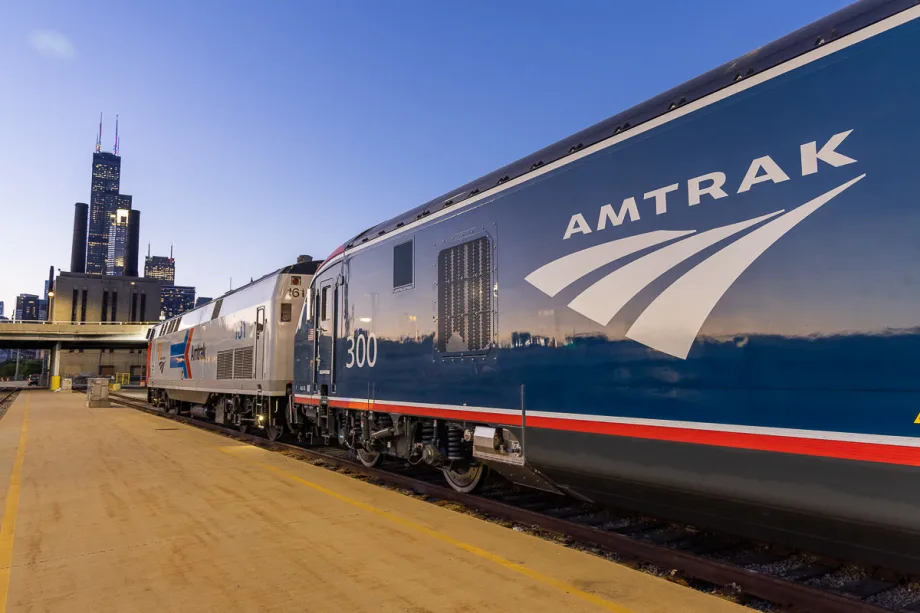
Procurement of new long-distance passenger cars represents one piece of Amtrak’s broader systemwide fleet modernization program. Amtrak continues to receive new high-powered ALC-42 locomotives for long-distance service, with 79 of 125 units delivered to date.
Amtrak
- Amtrak plans to transition all long-distance routes to a universal single-level fleet.
- The new plan aims to replace the current mix of bi-level and single-level trains.
- This change is part of Amtrak's long-distance fleet renewal strategy.
*Summarized by AI
Following a comprehensive evaluation, Amtrak announced a revised long-distance fleet replacement strategy that prioritizes fleet standardization, broadens competition among potential carbuilders, reduces program risk, and accelerates the replacement of its aging passenger cars.
Under the plan, all long-distance routes will transition to a universal single-level fleet, replacing today’s mix of bi-level and single-level equipment.
Amtrak’s New Approach
The announcement reflects extensive analysis of the challenges associated with operating a hybrid fleet. It also incorporates industry feedback from the previous request for proposals for new bi-level trains, along with findings from a joint Amtrak-Federal Railroad Administration review that identified the most effective path forward.
“This new approach will deliver a more consistent and accessible customer experience across the Amtrak network while maintaining our commitment to introduce the first new long-distance cars in the early 2030s,” said Amtrak President Roger Harris. “Thanks to support from FRA Administrator David Fink and the entire Federal Railroad Administration team, Amtrak’s long-distance fleet replacement is moving forward more effectively and efficiently than originally planned.”
“With these new cars, Amtrak will finally replace its aging fleet and provide American travelers with the world-class rail service they deserve, helping usher in Secretary Duffy’s vision for a new Golden Age of travel,” said U.S. Deputy Transportation Secretary Steve Bradbury. “These new cars won’t just benefit American train passengers, but workers too by supporting good-paying domestic manufacturing jobs.”
A Broader Plan
Amtrak will soon issue a formal request for suppliers to bid on the new long-distance fleet replacement contract and cancel the bi-level procurement. Once a selection is made, Amtrak will work closely with the selected car builder to finalize the delivery schedule to replace our long-distance aging fleet.
Many of Amtrak’s current long-distance railcars were delivered more than 40 years ago. Amtrak will continue to evaluate the condition of the existing fleet, assess its remaining service life, and determine any necessary life-extension measures to ensure safe and reliable operations until the new long-distance fleet enters service.
Procurement of new long-distance passenger cars represents one piece of Amtrak’s broader systemwide fleet modernization program. Amtrak continues to receive new high-powered ALC-42 locomotives for long-distance service, with 79 of 125 units delivered to date.
New NextGen Acela trains launched last fall on America’s only high-speed rail corridor, and the new Airo fleet will begin service on Amtrak Cascades in 2026, followed by the Northeast Regional and other short- and mid-distance routes in the coming years.
Quick Answers
Amtrak plans to transition all long-distance routes to a universal single-level fleet.
*Summarized by AI
More Rail

New York MTA Advances Final Contract for Second Avenue Subway Expansion
Contract Four is the largest in the Second Avenue Subway Phase 2 project and includes construction of station infrastructure, tracks, and signals for the subway expansion, MTA officials said. Work on Contract Four will begin in 2027.
Read More →
San Diego MTS Breaks Monthly Trolley Ridership Record
Agency officials said July’s ridership indicates MTS’s continued recovery from the pandemic.
Read More →
Report Examines NJ TRANSIT Reliability, Funding Challenges
The Garden State Initiative analysis examines the roles of Amtrak infrastructure, fleet management, and agency operations while recommending a more performance-based approach to improving reliability.
Read More →
Stadler, CapMetro Sign Long-Term Rail Fleet Support Agreement
Beginning in 2027, Stadler will provide on-site technical expertise, spare parts support, training, and obsolescence management to help extend the reliability and longevity of CapMetro’s GTW fleet.
Read More →
Biz Briefs: Alstom Lands Canadian Contract, LYT to Supply California TSP, and More
In METRO's latest installment, we take a look at recent news from Complete Coach Works, Beep, FlixBus, and more partnerships making headlines across the transportation sector.
Read More →
CATS Gold Line Marks 5 Years of Service, 2.8M Passenger Trips
With a six-mile expansion planned, the Charlotte streetcar is positioned to connect more neighborhoods and major transit hubs across the region.
Read More →
Why Simulating Pedestrian Movement Has Become Essential for Modern Rail Stations
Pedestrian microsimulation is helping rail planners identify bottlenecks, test station designs, and prepare complex transit hubs for growing passenger volumes.
Read More →
Amtrak Begins Major Construction at New York’s Sunnyside Yard
The new maintenance facility will support Amtrak’s Airo trainsets while improving maintenance efficiency and turnaround times in New York.
Read More →
Chicago Leaders Unveil Plans for O’Hare Airport Express Train
The privately developed project would offer a 15-minute trip between downtown and O’Hare’s Terminal 2, with trains operating every 15 minutes on a dedicated track. The service would use battery-electric trains and three existing freight rail rights-of-way.
Read More →
OCTA Maps Out 30-Year Strategy to Protect Coastal Rail Corridor
The draft feasibility report identifies strategies to protect the coastal rail line for decades as the agency continues near-term stabilization and sand placement efforts.
Read More →