




RELATED: Amtrak to invest $90M for Baltimore Penn Station upgrades
Amtrak celebrates 48 years in operation
Amtrak began serving customers on May 1, 1971, taking over the operation for most intercity passenger train.
May 1, 2019
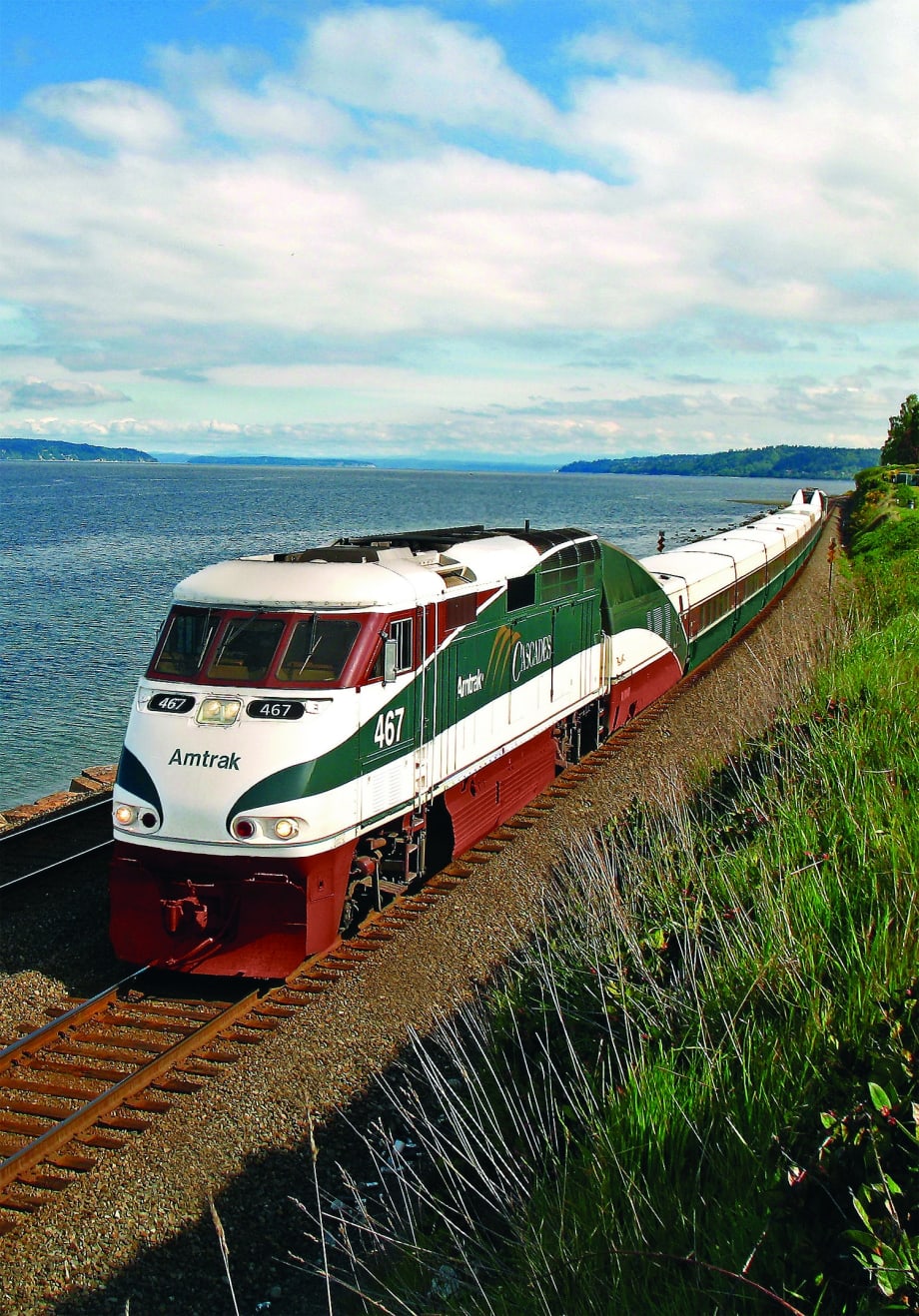
Amtrak began serving customers on May 1, 1971, taking over the operation for most intercity passenger train.
Amtrak
2 min to read
Amtrak began serving customers on May 1, 1971, taking over the operation for most intercity passenger train.
Amtrak
Continuing its FY18 success, Amtrak is on track for its best year as the company celebrates its 48th year of operations. Fiscal year ridership is up 1.3% through March over FY18, and Amtrak is heading toward breakeven on an operating earnings basis by FY21.
Following the enactment of the Rail Passenger Service Act in 1970, Amtrak began serving customers on May 1, 1971, taking over the operation for most intercity passenger trains then operated by private railroads in exchange for access to their respective networks, thus preserving intercity passenger rail service across America. With demonstrated success under new leadership and growing demand for passenger rail, it’s a pivotal time for America’s Railroad® to reinforce the promises made 48 years ago and to reassess Amtrak’s network for the next 50 years.
“We are changing intercity passenger rail to meet the needs of America – modernizing our trains and stations, improving on-time performance, and adding contemporary amenities — making it the preferred mode of travel for customers,” said Amtrak President & CEO Richard Anderson. “We are experiencing record growth, and we look forward to working with Congress to further invest in our rail infrastructure to better serve the changing landscape of our nation.”
With much of Amtrak’s infrastructure dating to the early 1900s and most of Amtrak’s equipment nearing the end of its useful life, considerable investments are needed to address increased highway congestion, rapid urbanization, and the threats posed by our changing climate.
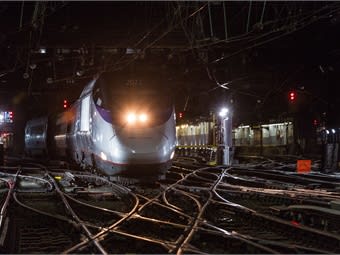
Amtrak
Additionally, millennials and aging populations are changing the overall travel landscape, forming new markets, with many of the fastest growing markets having limited or no intercity passenger rail service. “We have been building a successful company over the last several years: best-ever operating performance, record ridership and revenue, and the highest ever capital spend,” said Amtrak Board Chair Tony Coscia.
“We have the potential to meaningfully enhance how this country moves in the future, to provide frequent and reliable, city-to-city passenger rail service.”
Last month, Amtrak submitted its 5 Year Plans, which provide a comprehensive strategic and financial view of the services that Amtrak provides its customers along with its General and Legislative Annual Report to Congress. Amtrak is preparing to transmit a comprehensive reauthorization proposal to Congress later this year as the Fixing America’s Surface Transportation Act is set to expire.
More Rail
Amtrak, CN Reach Agreements to Strengthen Passenger Rail Service, Safety
The agreement resolves a more than decade-long proceeding before the Surface Transportation Board concerning the terms and conditions for Amtrak services, such as the City of New Orleans, Illini/Saluki, and Wolverine.
Read More →
New York MTA Advances Final Contract for Second Avenue Subway Expansion
Contract Four is the largest in the Second Avenue Subway Phase 2 project and includes construction of station infrastructure, tracks, and signals for the subway expansion, MTA officials said. Work on Contract Four will begin in 2027.
Read More →
San Diego MTS Breaks Monthly Trolley Ridership Record
Agency officials said July’s ridership indicates MTS’s continued recovery from the pandemic.
Read More →
Report Examines NJ TRANSIT Reliability, Funding Challenges
The Garden State Initiative analysis examines the roles of Amtrak infrastructure, fleet management, and agency operations while recommending a more performance-based approach to improving reliability.
Read More →
Stadler, CapMetro Sign Long-Term Rail Fleet Support Agreement
Beginning in 2027, Stadler will provide on-site technical expertise, spare parts support, training, and obsolescence management to help extend the reliability and longevity of CapMetro’s GTW fleet.
Read More →
Biz Briefs: Alstom Lands Canadian Contract, LYT to Supply California TSP, and More
In METRO's latest installment, we take a look at recent news from Complete Coach Works, Beep, FlixBus, and more partnerships making headlines across the transportation sector.
Read More →
CATS Gold Line Marks 5 Years of Service, 2.8M Passenger Trips
With a six-mile expansion planned, the Charlotte streetcar is positioned to connect more neighborhoods and major transit hubs across the region.
Read More →
Why Simulating Pedestrian Movement Has Become Essential for Modern Rail Stations
Pedestrian microsimulation is helping rail planners identify bottlenecks, test station designs, and prepare complex transit hubs for growing passenger volumes.
Read More →
Amtrak Begins Major Construction at New York’s Sunnyside Yard
The new maintenance facility will support Amtrak’s Airo trainsets while improving maintenance efficiency and turnaround times in New York.
Read More →
Chicago Leaders Unveil Plans for O’Hare Airport Express Train
The privately developed project would offer a 15-minute trip between downtown and O’Hare’s Terminal 2, with trains operating every 15 minutes on a dedicated track. The service would use battery-electric trains and three existing freight rail rights-of-way.
Read More →