
Metro Magazine

 MENU
MENU SEARCHMENUSEARCH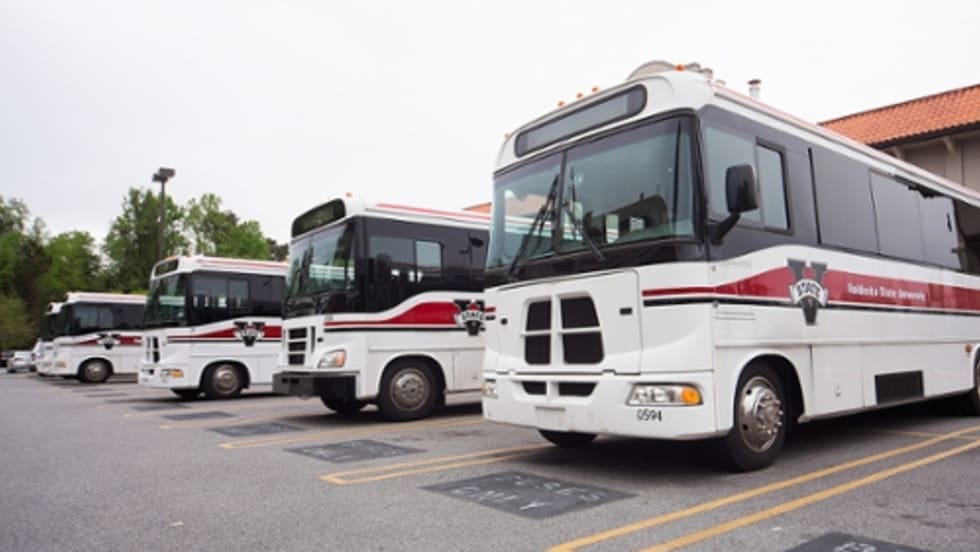
The ads will be featured inside specially designed internal displays on Blazer Shuttle Express buses. Blazer Shuttle Express is the transportation system used by students, faculty and staff at Valdosta State University to navigate around the campus.
Read More →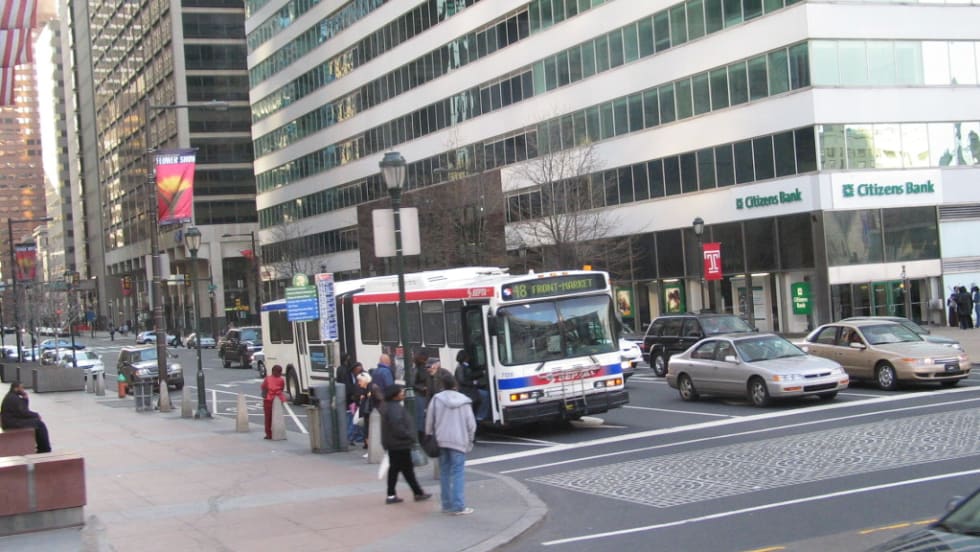
A federal court judge presiding over a dispute between the agency and a group seeking to purchase advertising space on SEPTA vehicles has ruled the agency must accept the ads, even if they contain messages that may be disparaging to riders and agency employees.
Read More →
Over the next five years, JTA will replace 100 diesel buses with CNG buses. Many of the buses will support JTA’s 55-mile First Coast Flyer bus rapid transit system.
Read More →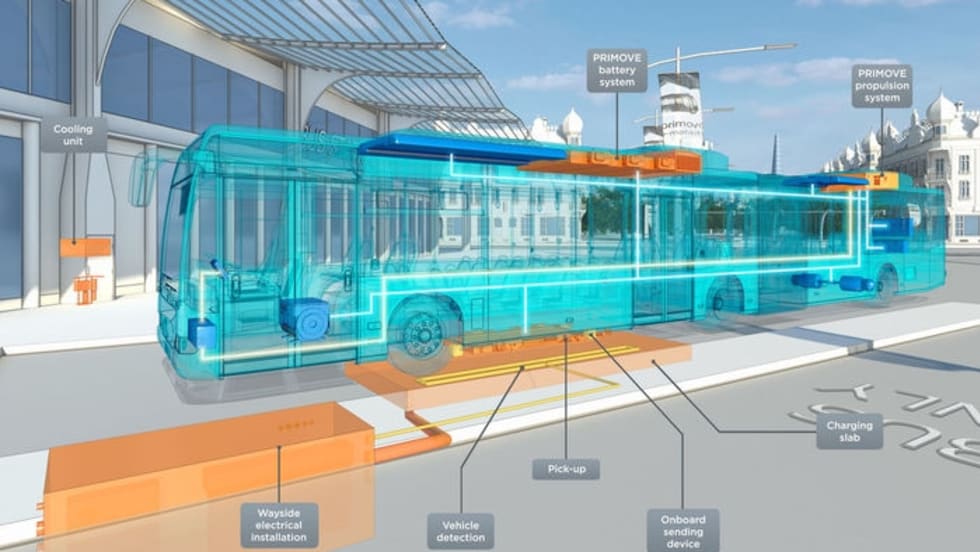
The PRIMOVE system charges the Berlin buses' batteries at 200 kW in the very few minutes of dwell time spent at the end stations. This allows the e-buses to serve the nearly four-mile-long bus line back and forth - without additional stops or battery changing for an entire day.
Read More →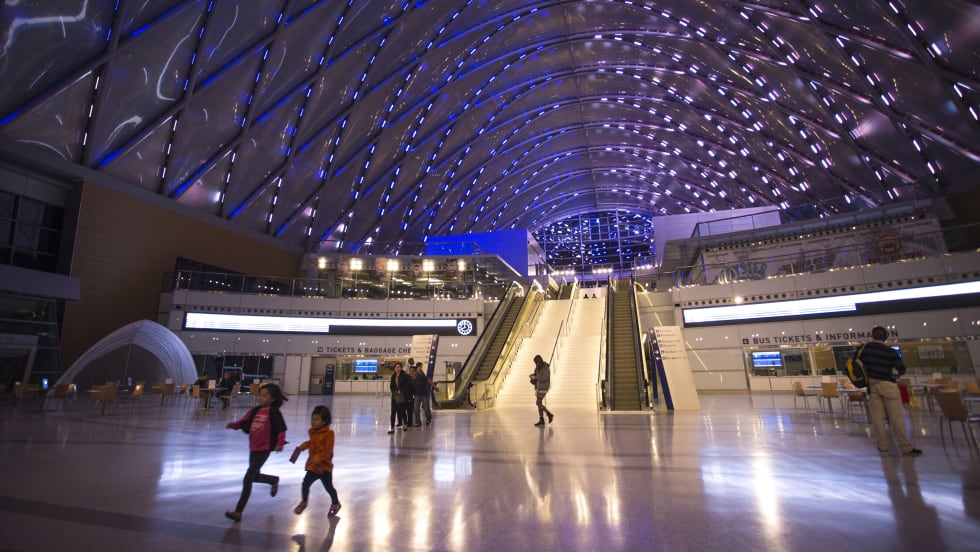
Constructed at a cost of $135 million, the 67,000-square-foot ARTIC terminal allows 10,000 daily riders to move seamlessly between transit services that include Amtrak, Metrolink, OCTA and intercity buses.
Read More →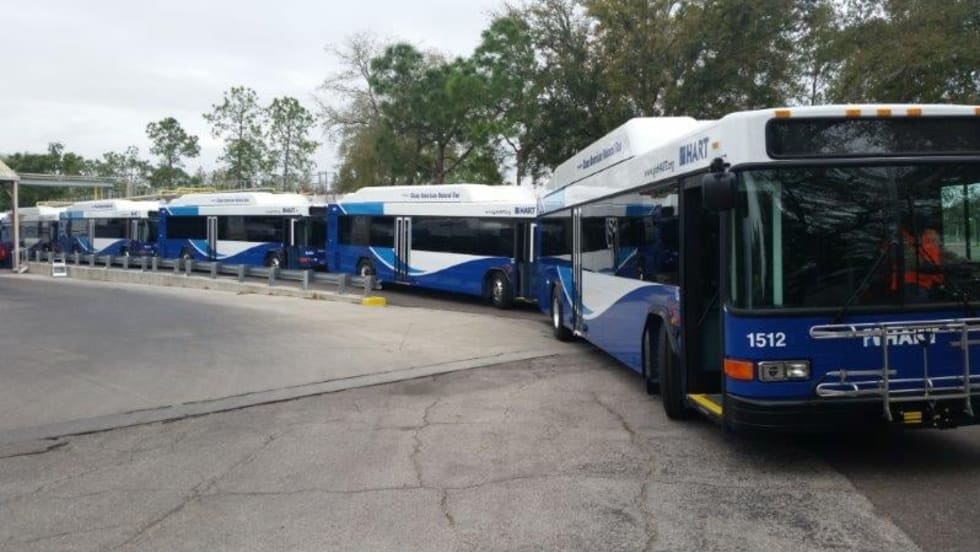
The heavy-duty, low-floor buses, part of the agency's continuing commitment to improve air quality in the Tampa Bay area, were built by Hayward, Calif.-based bus manufacturer, Gillig.
Read More →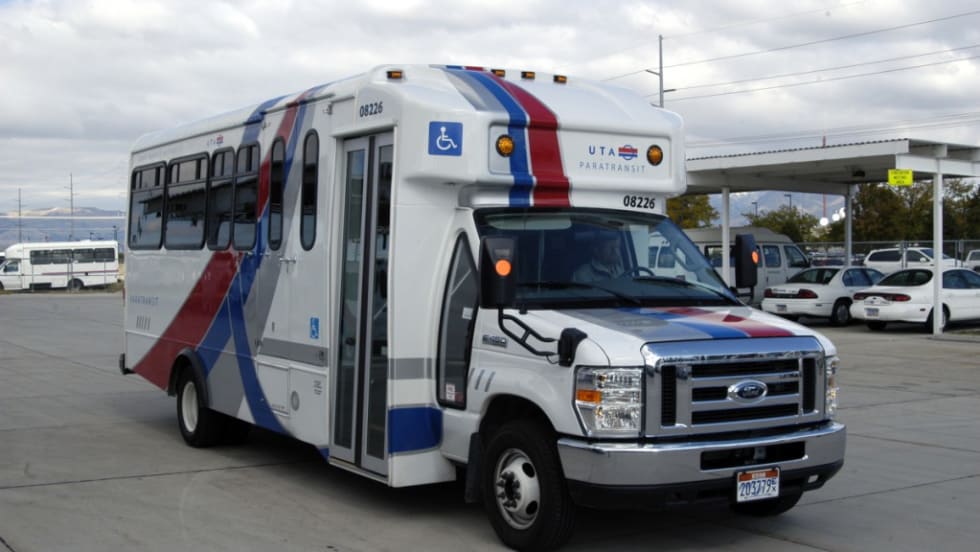
The energy will be used to help power the vehicles and run the climate control systems, lights, ramps and wheelchair lift while the buses are stopped, eliminating the need for idling.
Read More →
The base fare for subways and buses went up by 25 cents to $2.75. The price of a 30-day MetroCard jumped by $4.50 to $116.50. The cost of riding the Long Island Rail Road and the Metro-North Railroad both went up about 4%.
Read More →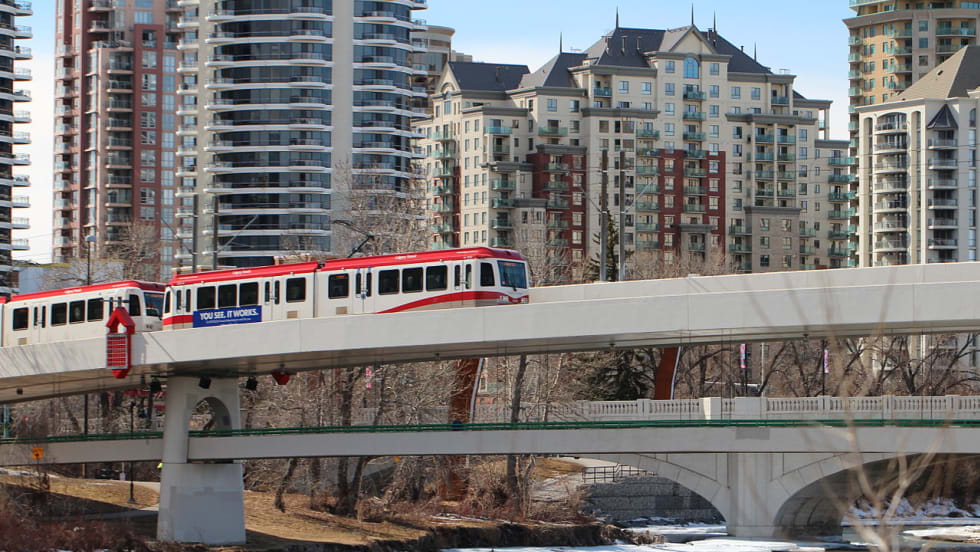
Part of the problem is an aging fleet, according to officials. Calgary Transit placed a $200-million deal in 2013 to buy 60 new light rail vehicles; however, those vehicles will not be operational until 2016.
Read More →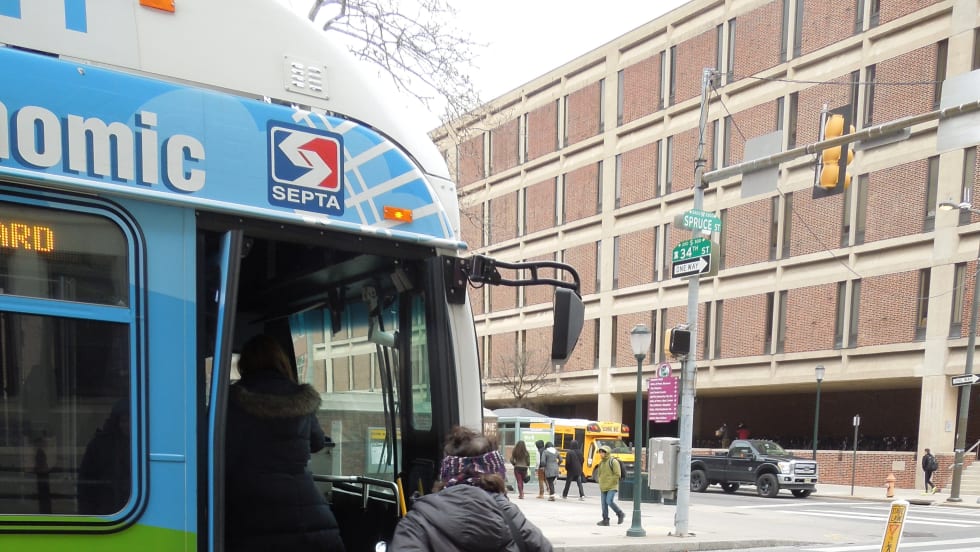
Seeing a canine passenger on mass transit is not uncommon, but the reasons why a dog might catch the train or hop a bus are varied (remember Eclipse, the Seattle Lab mix that uses the bus, often on her own, to get to the dog park?). Most public transit pooches are working —as K-9 officers or service animals. In the Philadelphia region, other animals — in approved carriers only—are permitted to ride the Southeastern Pennsylvania Transportation Authority’s buses, trains and trolleys. However, a new pilot program underway by SEPTA allows registered therapy dogs volunteering at two Philadelphia hospitals to use two designated bus routes to travel to their sites.
Read More →