
Metro Magazine

 MENU
MENU SEARCHMENUSEARCH
The agency's board of directors approved the $68 million purchase of new high-floor vehicles, which will replace the last of of the aging city buses in the fleet.
Read More →Feds reversed a decision to shut down Charlotte, N.C.-based Sky Express discount bus service this spring and instead granted the carrier a 10-day reprieve. Three days later, one of the company’s buses overturned, killing four people and injuring dozens.
Read More →The campaign began in August 2008, however, The T recently made the change to its dress code that gives bus drivers the authority to deny boarding to those in violation.
Read More →The system, installed on 10 buses, was activating the announcement either too soon or too late in the course of making a turn, but did activate at other times, such as when the bus was making a lane change. The agency began testing the system on March 1.
Read More →The University budgeted almost $772,000 in 2010 for fuel costs, but in 2011 that number jumped to almost $829,000. As part of their preparation, they partnered with the Central Ohio Transit Authority, which allows students to ride city buses by showing their BuckID at a cost to the student of $9 every quarter.
Read More →The buses cost $360,885 altogether, and will have a different look, with the engine placed in the back instead of the front, and the Art department designing the adorning university insignia.
Read More →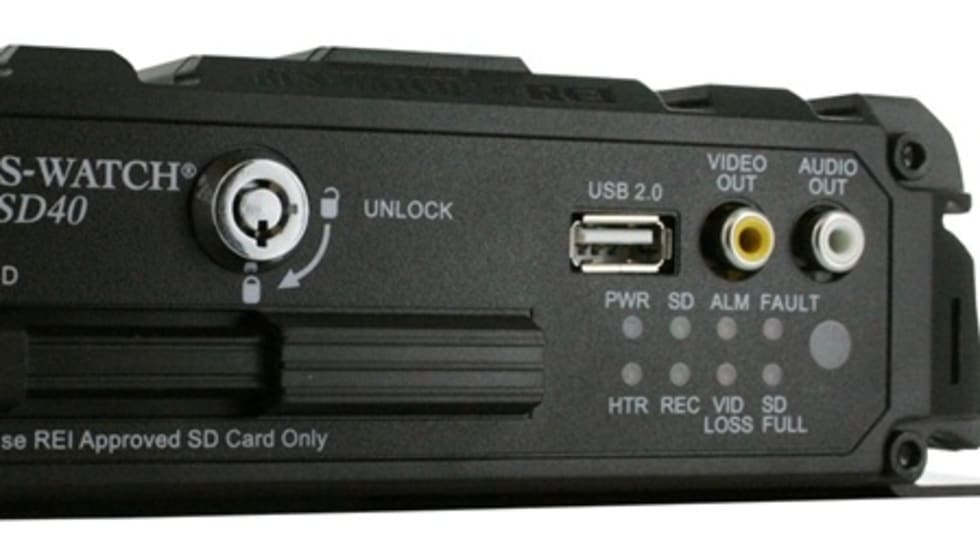
Radio Engineering Industries Inc. (REI) adds the SD40, a compact, lightweight, solid-state DVR to its family of BUS-WATCH digital video surveillance systems for mass transit systems and school buses.
Read More →Located in the heart of Albuquerque, the Montaño Intermodal Center will be an integral piece to the regional transportation network, linking ABQ Ride buses and New Mexico Rail Runner Express commuter rail, as well as a catalyst for redevelopment in the area.
Read More →The NCTD will implement NextBus RTPIS on its three fixed-route services — BREEZE transit buses, COASTER commuter trains and SPRINTER light rail.
Read More →Will represent more than 50 percent of the 64,000 total transit buses that will be delivered worldwide by 2015, up from 28 percent of total bus deliveries in 2010.
Read More →