



FTA grants $6.7M for Albuquerque intermodal center
Located in the heart of Albuquerque, the Montaño Intermodal Center will be an integral piece to the regional transportation network, linking ABQ Ride buses and New Mexico Rail Runner Express commuter rail, as well as a catalyst for redevelopment in the area.

The Federal Transit Administration (FTA) announced a $6.7 million grant for construction of a new Montaño Intermodal Center that will connect Albuquerque, N.M. residents to commuter rail service and enhanced priority bus service.
"With gasoline prices at the levels they are today, the Obama Administration is committed to providing Americans with energy efficient transportation alternatives," said U.S. Transportation Secretary Ray LaHood. "The new Montaño Intermodal Center will provide Albuquerque with greater access to affordable transportation options and create opportunities for economic development."
FTA Administrator Peter Rogoff joined Congressman Martin Heinrich and Albuquerque Mayor Richard Berry at a ceremony this week to award the $6.7 million grant to build the center.
Located in the heart of Albuquerque, the Montaño Intermodal Center will be an integral piece to the regional transportation network, linking ABQ Ride buses and New Mexico Rail Runner Express commuter rail, as well as a catalyst for redevelopment in the area.
The four-acre center is strategically located on Montaño Road, a major connector that crosses the Rio Grande and is one of only a few streets that spans the entire city from east to west.
Flanked by a 300-space parking lot, the pueblo-revival style building will offer transit riders real-time rider information, electronic information kiosks, bike racks and lockers, and free Wi-Fi service, as well as video camera surveillance to keep riders safe.
During a time of high energy costs, residents will enjoy the cost-saving measures of the many "green" features proposed in the design, including LED lighting, solar panels and rainwater capture design elements.
More Bus

Biz Briefs: OCTA Taps Clean Energy for Hydrogen Station, Stadler to Supply Via Rail Vehicles, and More
From manufacturers and suppliers to transit agencies and motorcoach operators, these updates offer a snapshot of the projects, partnerships and business moves driving the industry forward.
Read More →
METRO Magazine Announces 2026 Innovative Solutions Awards Winners
Projects Recognized for Advancing Mobility Through Technology, Accessibility, Workforce Innovation, and Operational Excellence
Read More →
Biz Briefs: STV teams with Amtrak, Motorcoach Operators Boost Fleet and Land Contracts, and More
From manufacturers and suppliers to transit agencies and motorcoach operators, these updates offer a snapshot of the projects, partnerships and business moves driving the industry forward.
Read More →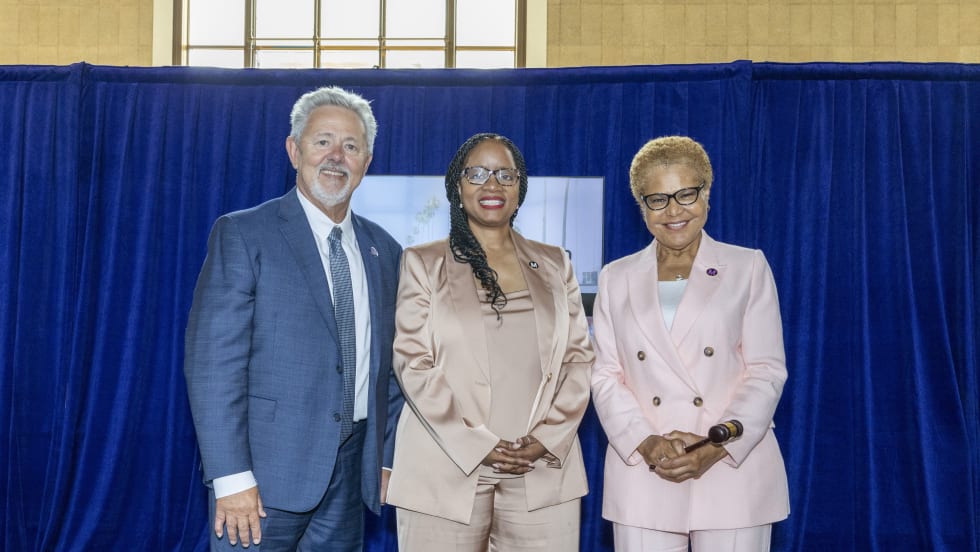
LA Metro Marks Banner Year, Sets Ambitious Goals for New Fiscal Year
Incoming LA Metro Board Chair and Los Angeles Mayor Karen Bass joined outgoing Board Chair Fernando Dutra and LA Metro CEO Stephanie Wiggins to review accomplishments from fiscal year 2026, which included the opening of new rail extensions, advancement of major transit projects, expanded safety programs, and new rider amenities.
Read More →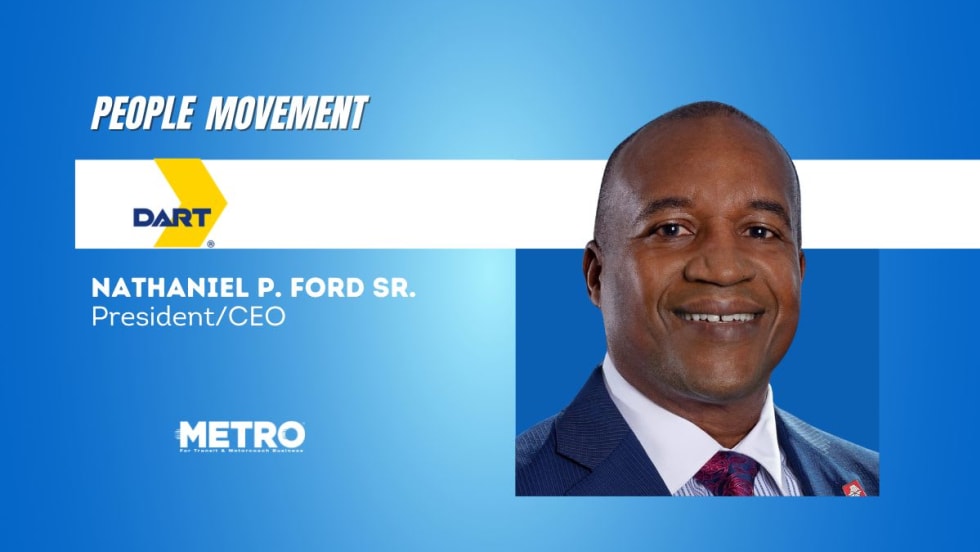
DART Taps Nathaniel P. Ford Sr. as Next President/CEO
Since 2012, Ford has served as the CEO of the Jacksonville Transportation Authority
Read More →
AC Transit’s Cecil Blandon on Building the Next Generation of Transit Maintenance Leaders
The agency’s maintenance chief discusses leadership, workforce development, zero-emission technology, and preparing technicians for the future of public transportation.
Read More →
Building the Next Generation of Transit Technology
In this edition of METROspectives, Luminator CEO Magnus Friberg discusses the company's transformation, the growing role of AI and software, and what's next for transit technology.
Read More →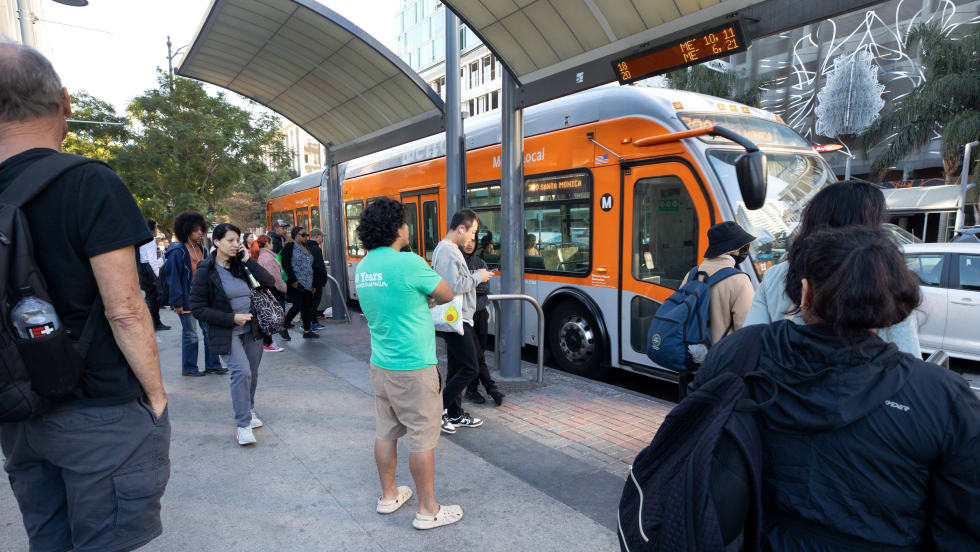
June LA Metro Ridership Surges 2 Million Year Over Year
Total June ridership increased for both weekdays and weekends. Weekday ridership was 953,820, which grew 8.4% from June 2025; Saturdays increased nearly 13% year-over-year to 708,826; and Sundays increased 7.7% to 611,534 from June 2025, according to LA Metro.
Read More →
Washington's Pierce Transit Board Sends Transit Funding Measure to November Ballot
With the adoption of Resolution 2026-006, the measure moves to the Pierce County Auditor, giving voters in the Pierce Transit service area the decision on whether to fund an expansion of local transit service within the agency’s service area.
Read More →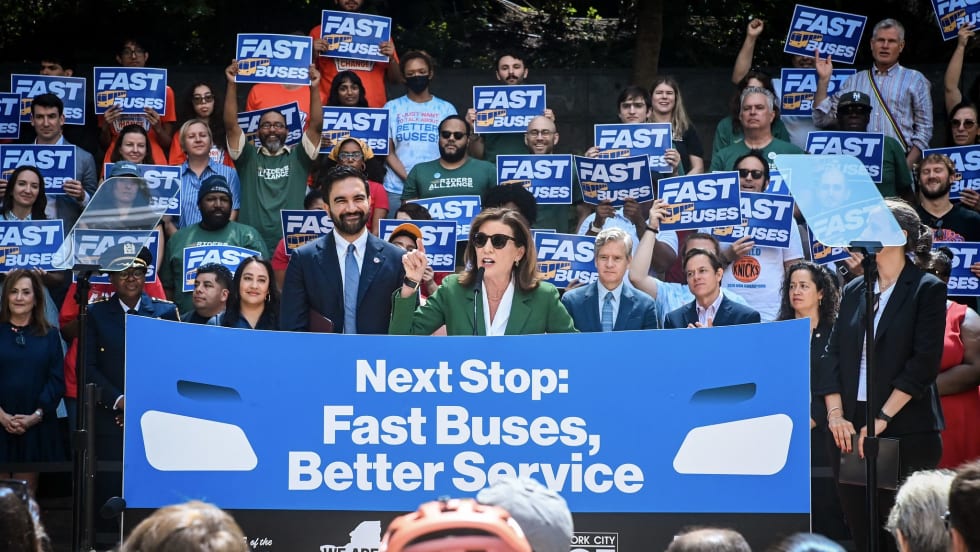
New York Unveils Sweeping Plan to Modernize City Bus Service
Next Stop: Fast Buses, Better Service identifies 50 priority bus corridors for improvements across the five boroughs and launches the City’s next generation of rapid bus service along five key routes.
Read More →