
Metro Magazine

 MENU
MENU SEARCHMENUSEARCH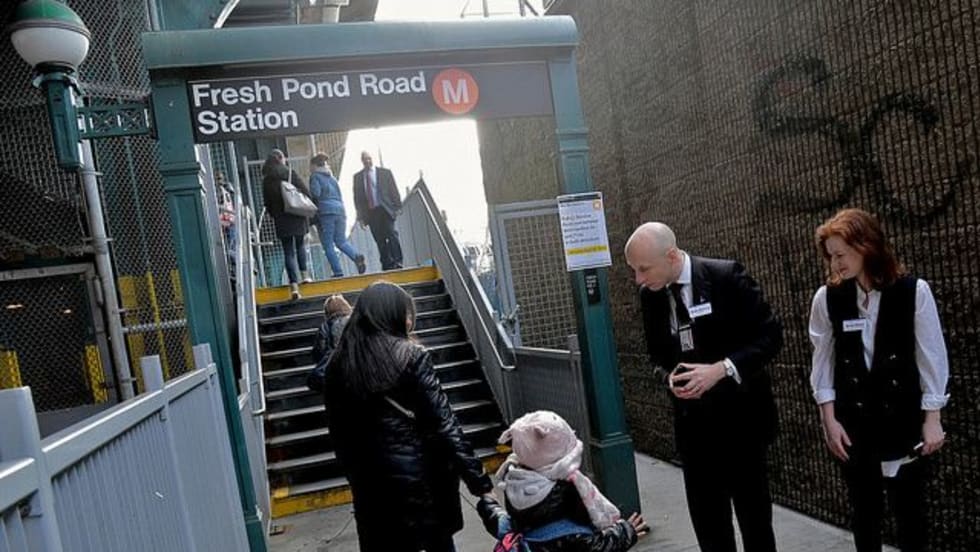
Plan highlights include making more than 50 new stations accessible and completely redesigning the bus network.
Read More →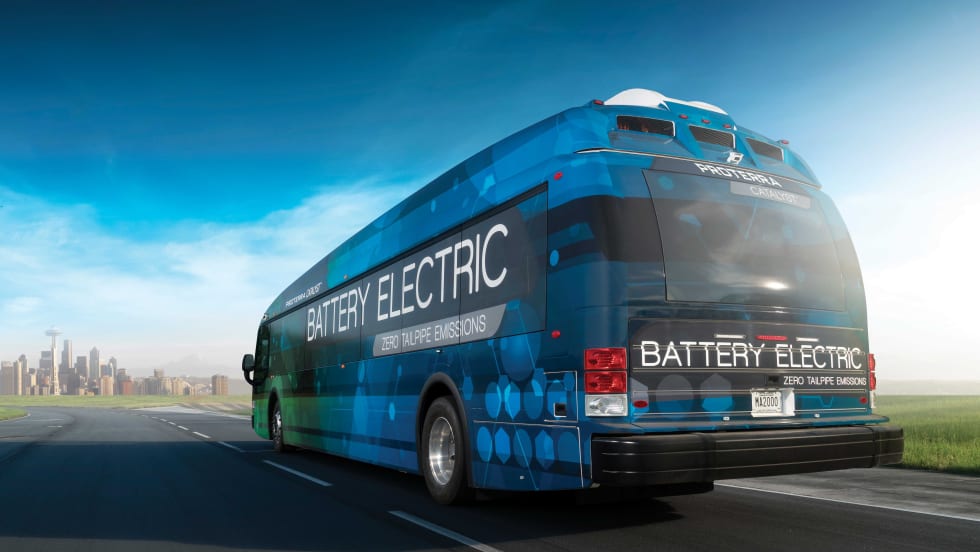
Sales of electric cars racing to 28%, and those of electric buses to 84%, of their respective global markets by 2030.
Read More →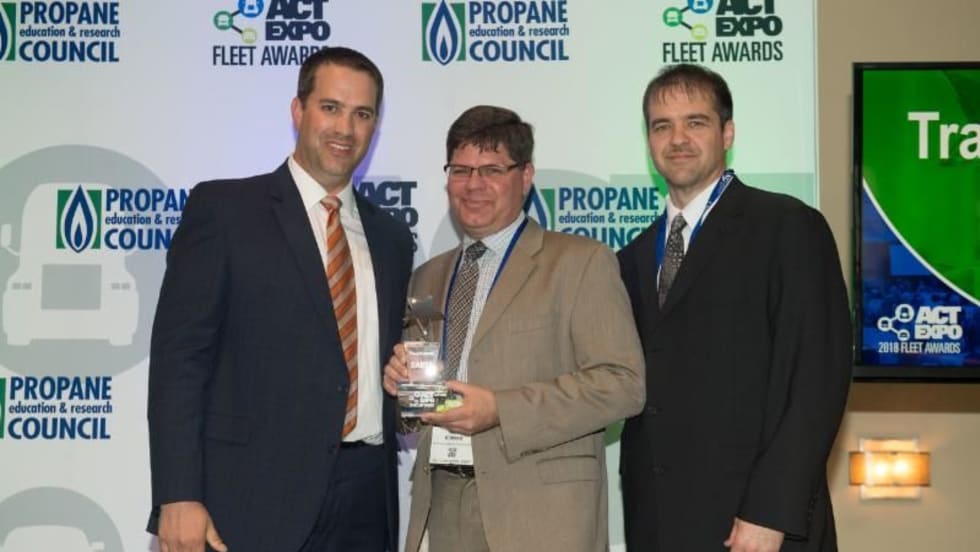
One of Ohio-based agency's clean energy initiatives includes deployment of one of the world's largest fleets of hydrogen fuel powered-buses.
Read More →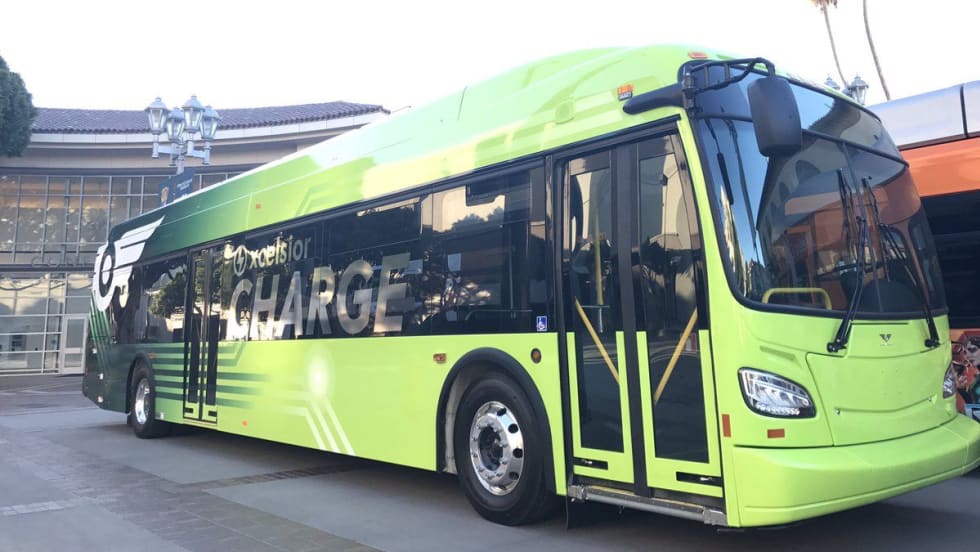
The total cost is estimated to be $6 million and the buses are expected to arrive in mid-summer 2019.
Read More →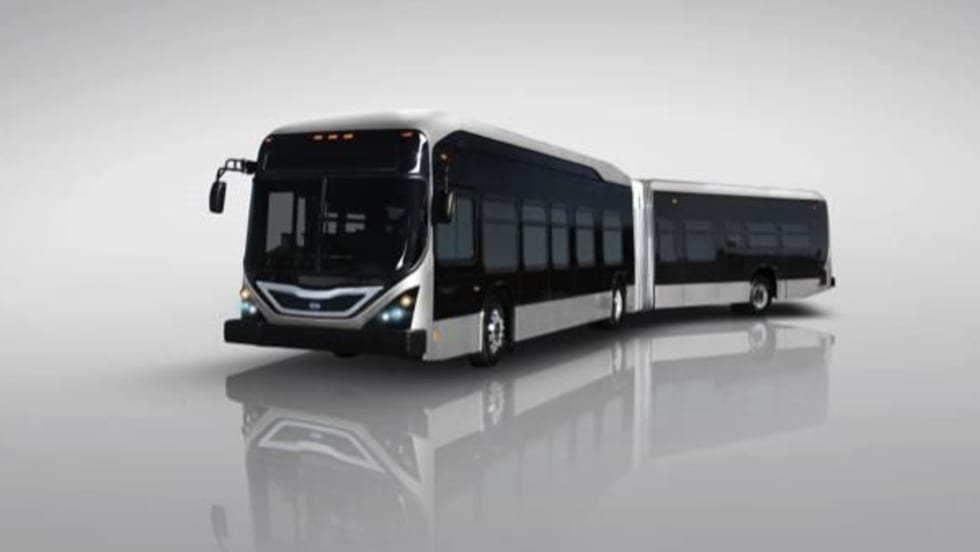
The buses will make up the largest airport fleet of its kind in the U.S., with the vehicles being produced at BYD’s Lancaster, Calif. plant.
Read More →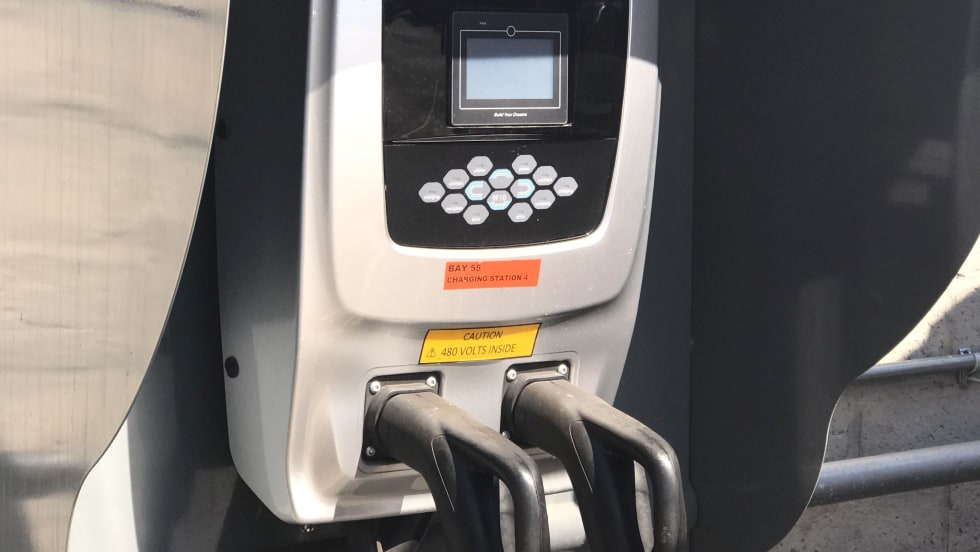
While adding a few charging stations to support pilot projects is relatively straight forward, transit agencies will need to consider several factors when planning to implement infrastructure that can support hundreds of electric buses, or more.
Read More →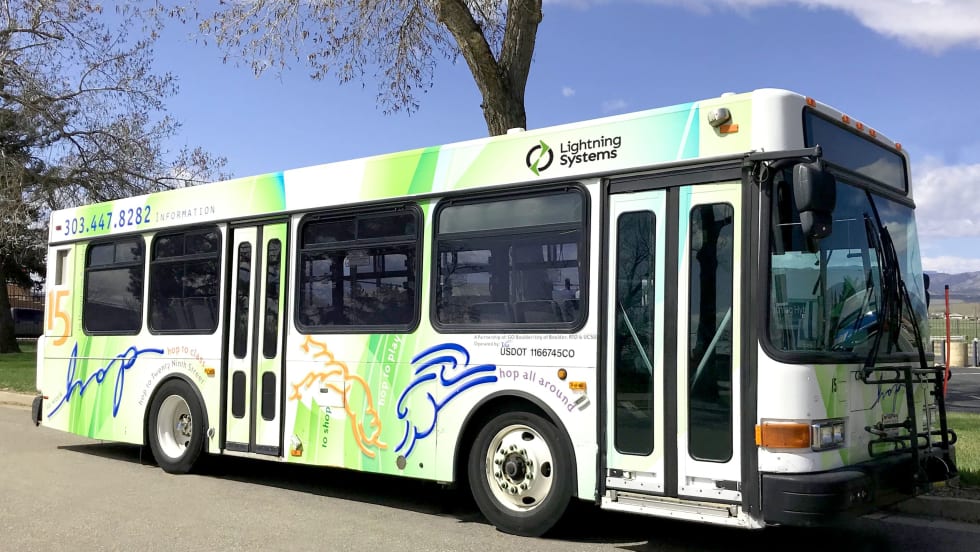
The first demonstration vehicle will be on the road this summer and will give the bus more than 200 miles of all-electric range.
Read More →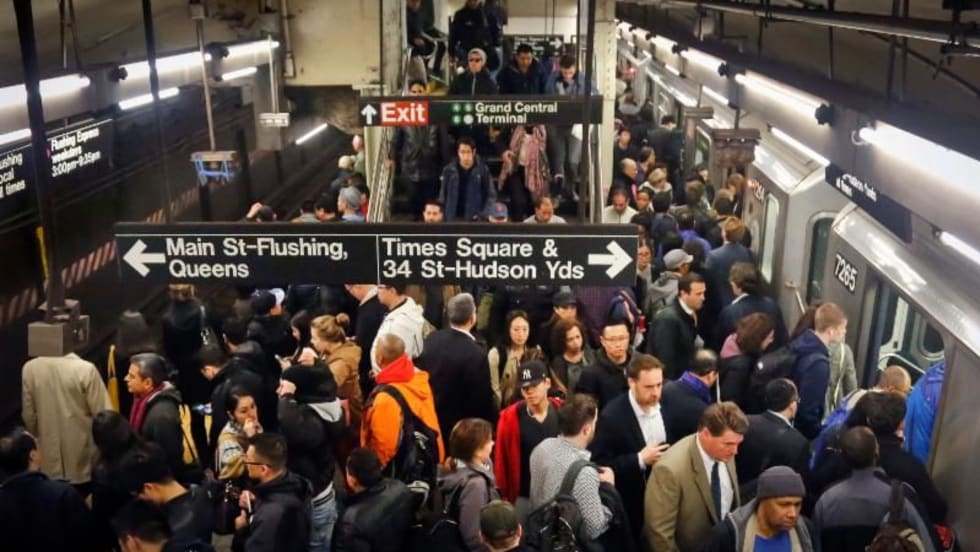
Ultra-wideband tech. could lead to better tracking of trains and buses, and potentially eliminate the need for turnstiles, tickets or cards.
Read More →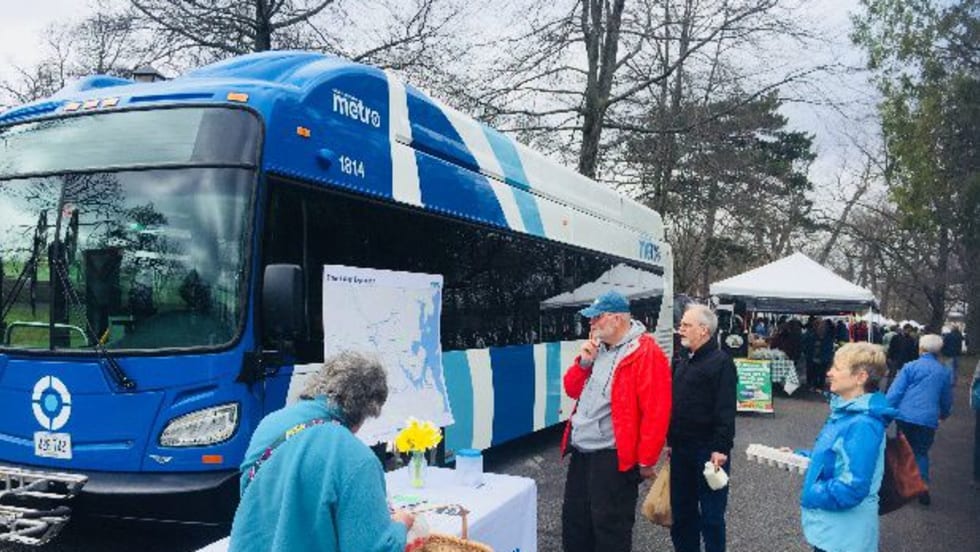
Vehicles showcase an updated paint scheme -- a key element of Metro’s rebranding campaign, which also includes a new logo and color scheme, updated bus stop signs, and an improved website.
Read More →
The transition to electric buses, Metro believes, can be paired with workforce development programs to bolster the local economy and create jobs and a pathway to the middle class for Angelenos.
Read More →