




RELATED: As Tech Matures, Transit's Usage of E-Buses Evolves
Electric bus sales to surge even faster than EVs, new study says
Sales of electric cars racing to 28%, and those of electric buses to 84%, of their respective global markets by 2030.
May 22, 2018
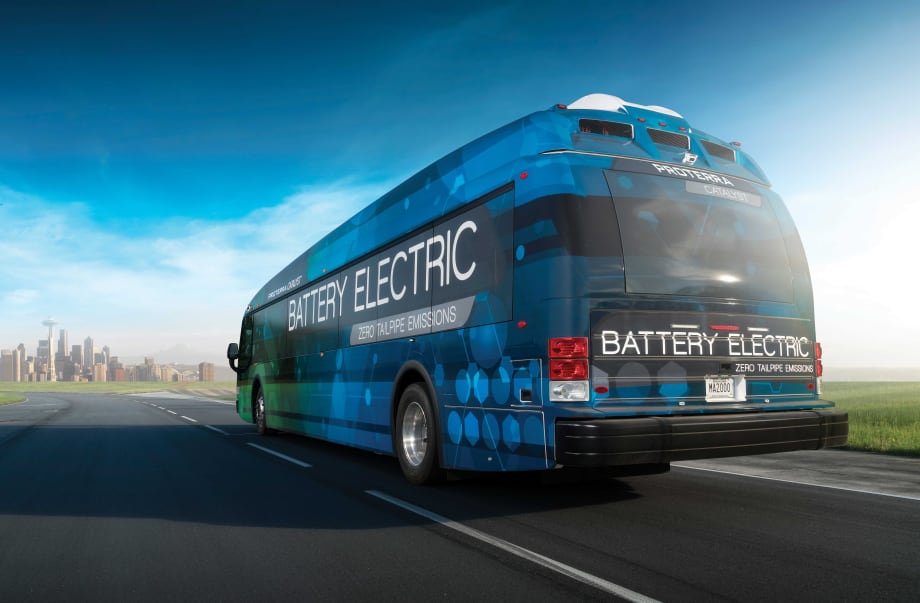
The pace of electrification in transport will vary by country, particularly over the next 12 years as some markets jump ahead of others, according to the report.
photo courtesy Proterra
4 min to read

The electrification of road transport will move into top gear in the second half of the 2020s, thanks to tumbling battery costs and larger-scale manufacturing, with sales of electric cars racing to 28%, and those of electric buses to 84%, of their respective global markets by 2030.
The latest long-term forecast from Bloomberg New Energy Finance (BNEF) shows sales of electric vehicles (EVs), increasing from a record 1.1 million worldwide last year to 11 million in 2025, and then surging to 30 million in 2030 as they establish cost advantage over internal combustion engine (ICE) cars. China will lead this transition, with sales there accounting for almost 50% of the global EV market in 2025 and 39% in 2030.
The number of ICE vehicles sold per year (gasoline or diesel) is expected to start declining in the mid-2020s, as EVs bite hard into their market. In 2040, some 60 million EVs are projected to be sold, equivalent to 55% of the global light-duty vehicle market. ‘Shared mobility’ cars will be a small but growing element (see below).
The advance of e-buses will be even more rapid than for electric cars, according to BNEF’s analysis. It shows electric buses in almost all charging configurations having a lower total cost of ownership than conventional municipal buses by 2019. There are already over 300,000 e-buses on the road in China, and electric models are on track to dominate the global market by the late 2020s.
Colin McKerracher, lead analyst on advanced transportation for BNEF, commented: “Developments over the last 12 months, such as manufacturers’ plans for model roll-outs and new regulations on urban pollution, have bolstered our bullish view of the prospects for EVs. The changes to our forecast this time compared to the previous one a year ago are modest, at least as far as cars are concerned. We now think EVs will be 55% of light-duty vehicle sales in 2040, rather than 54%, and represent 33% of the total car fleet worldwide.
“But the big new feature of this forecast is electric buses. China has led this market in spectacular style, accounting for 99% of the world total last year. The rest of the world will follow, and by 2040 we expect 80% of the global municipal bus fleet to be electric.”
BNEF expects the transition in transport to have major implications for electricity demand, and for the oil market. EVs and e-buses will use 2,000TWh in 2040, adding 6% to global electricity demand. Meanwhile, the switch from ICE to electric vehicles is forecast to displace 7.3 million barrels a day of transport fuel.
The BNEF team has taken a detailed look at whether the increased appetite for metals such as lithium and cobalt resulting from the rise of electrified transport could lead to supply shortages for these key metals.
Salim Morsy, senior transportation analyst, said: “While we’re optimistic on EV demand over the coming years, we see two important hurdles emerging. In the short term, we see a risk of cobalt shortages in the early 2020s that could slow down some of the rapid battery cost declines we have seen recently. Looking further out, charging infrastructure is still a challenge.”
Ali Izadi-Najafabadi, lead analyst for intelligent mobility at BNEF, said: “We predict that the global shared mobility fleet will swell from just under 5 million vehicles today to more than 20 million by 2040. By then over 90% of these cars will be electric, due to lower operating costs. Highly autonomous vehicles will account for 40% of the shared mobility fleet.”
The pace of electrification in transport will vary by country, particularly over the next 12 years as some markets jump ahead of others. BNEF forecasts that in 2030, EVs will make up 44% of European light-duty vehicle sales, 41% of those in China, 34% in the U.S., and 17% in Japan. However, a shortage of charging infrastructure and a lack of affordable models will hold back the market in India, so that EVs will make up just 7% of new car sales in 2030 there.
BNEF’s projections imply big opportunities for lithium-ion battery manufacturers. China is already dominant in this market, with a 59% global share of production capacity in 2018, and this is forecast to rise to 73% by 2021.
More information on BNEF’s 2018 Electric Vehicle Outlook can be found at https://about.bnef.com/electric-vehicle-outlook/ including a free public report with high-level findings.
More Bus

Finding the ‘Happy Medium’: Optimizing Maintenance Without Sacrificing Reliability
The key to maintenance optimization isn’t doing less work—it’s doing the right work at the right time on the right assets.
Read More →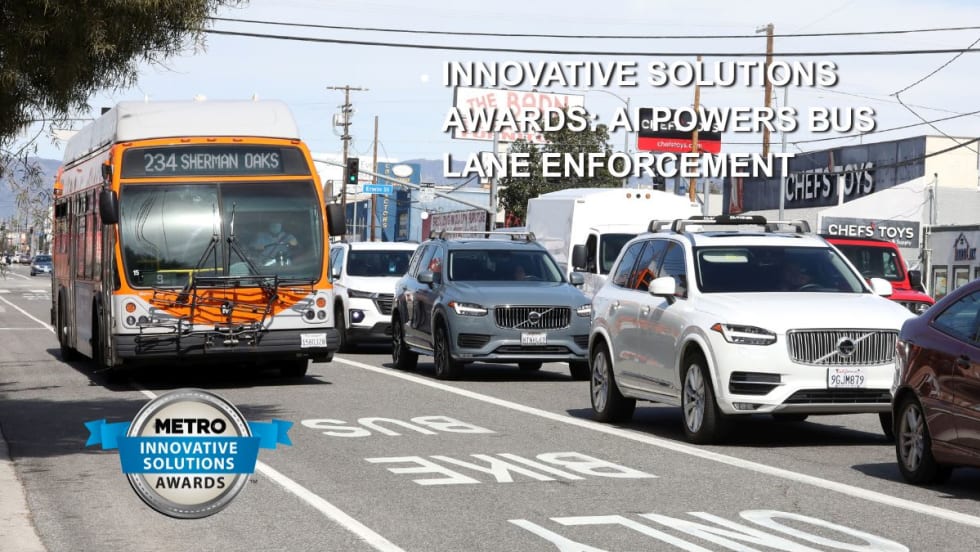
LA Metro, City of West Hollywood, and Partners Advance Smarter Bus Lane Enforcement
The award-winning partnership combines AI-powered detection with human oversight to improve bus reliability, accessibility, and enforcement efficiency.
Read More →
PSTA Modernizes Workforce Management with Digital Bidding System
The award-winning Workforce Transit Modernization project replaced paper bidding with a transparent digital platform, cutting administrative effort while improving access for operators.
Read More →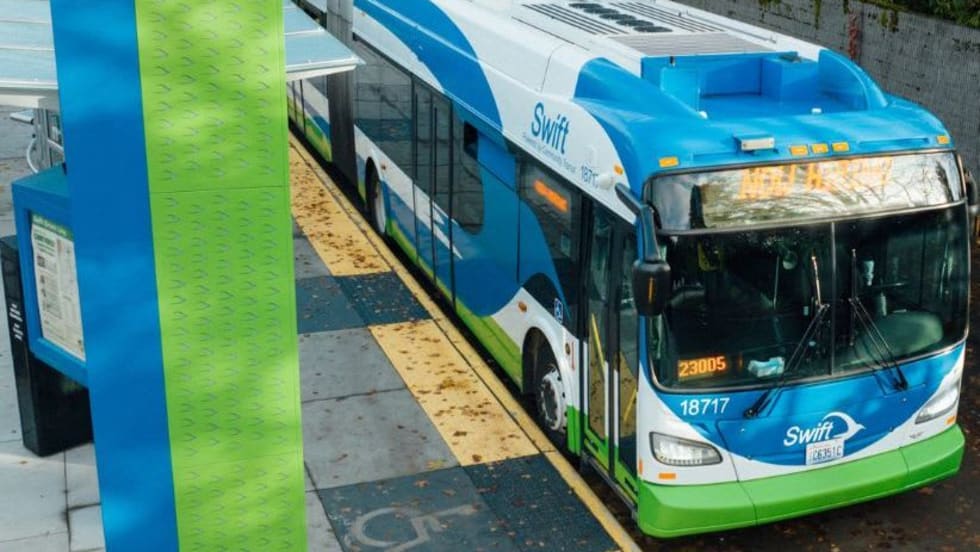
Washington's Community Transit Sets Six-Year Roadmap for Growth, Expansion
Approved TDP targets more bus service, new mobility options, Swift BRT expansion, and a potential Everett Transit annexation.
Read More →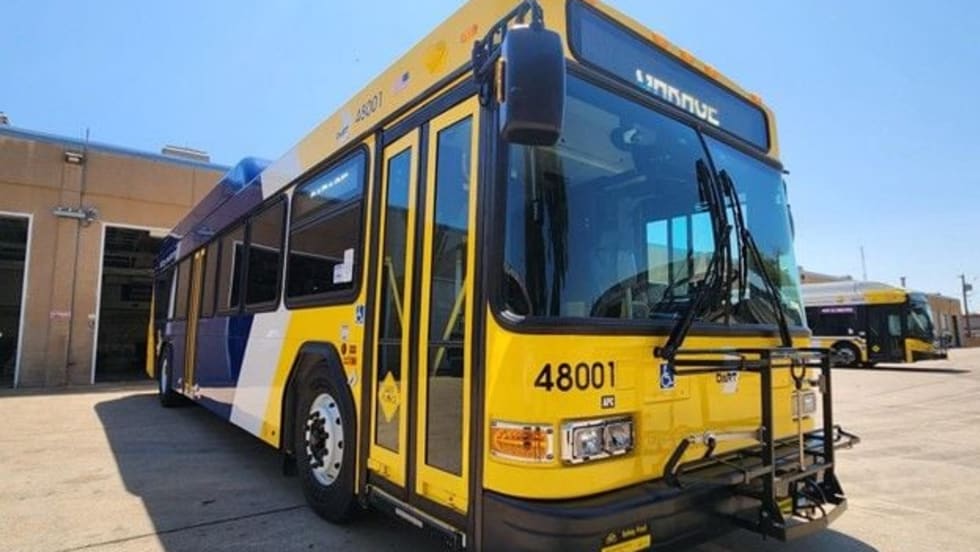
DART Customer Satisfaction Reaches Six-Year High
Overall satisfaction rose to 74.9%, while the agency’s Net Promoter Score reached a record 33.7.
Read More →
How DART's GoPass Is Redefining Regional Mobility
Serving 14 transit agencies, GoPass simplifies multimodal travel by allowing riders to plan, pay for, and manage an entire trip through one app.
Read More →
Biz Briefs: OCTA Taps Clean Energy for Hydrogen Station, Stadler to Supply Via Rail Vehicles, and More
From manufacturers and suppliers to transit agencies and motorcoach operators, these updates offer a snapshot of the projects, partnerships and business moves driving the industry forward.
Read More →
METRO Magazine Announces 2026 Innovative Solutions Awards Winners
Projects Recognized for Advancing Mobility Through Technology, Accessibility, Workforce Innovation, and Operational Excellence
Read More →
Biz Briefs: STV teams with Amtrak, Motorcoach Operators Boost Fleet and Land Contracts, and More
From manufacturers and suppliers to transit agencies and motorcoach operators, these updates offer a snapshot of the projects, partnerships and business moves driving the industry forward.
Read More →
LA Metro Marks Banner Year, Sets Ambitious Goals for New Fiscal Year
Incoming LA Metro Board Chair and Los Angeles Mayor Karen Bass joined outgoing Board Chair Fernando Dutra and LA Metro CEO Stephanie Wiggins to review accomplishments from fiscal year 2026, which included the opening of new rail extensions, advancement of major transit projects, expanded safety programs, and new rider amenities.
Read More →