
Metro Magazine

 MENU
 SEARCHMENUSEARCH
Loading data...
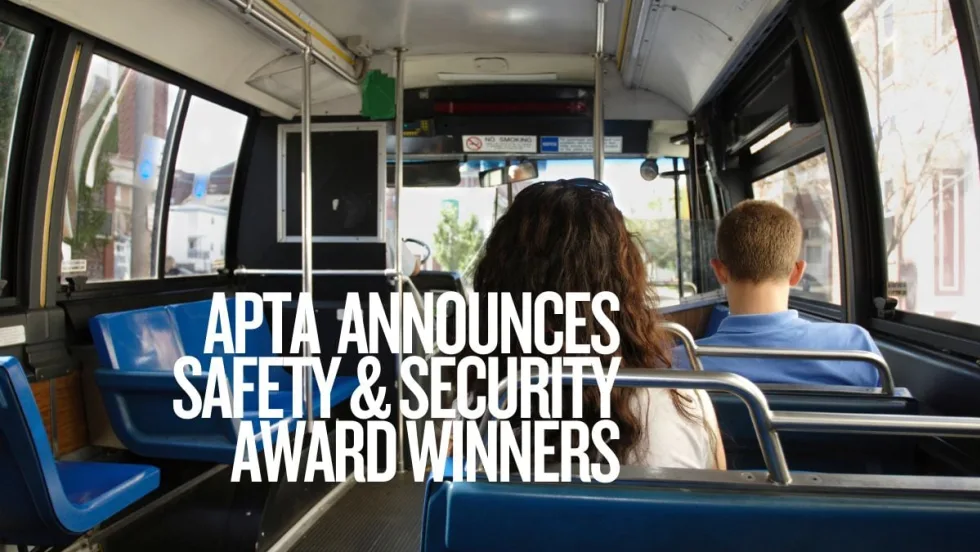
The awards recognize transit organizations for their innovative and proactive programs.
Read More →


Cut or reduced a total of 32 administrative jobs to maximize productivity and efficiency. May also reduce service by 12 percent.
Read More →This is a corrected update to SORTA news information previously posted.
Read More →To provide job-related free rides, the Everybody Rides Metro Foundation uses a federal Job Access-Reverse Commute grant that is matched by the partner agencies to provide bus tokens at no charge to low-income residents to connect them to job counseling, interviews, training and exams and job-related child transportation, in addition to transportation to and from work.
Read More →The agency re-numbered and re-named five routes to work better with the Google Transit trip planner, effective with the May 29 summer service change.
Read More →Bus expansion costs are estimated at $112 million, with an estimated cost of 42.6 billion to build the 30-year rail plan.
Read More →An Urban Institute evaluation found that a fare-free transit program increased ridership, reduced transportation barriers, and improved access to jobs, healthcare, and other essential services.
Read More →More than 1,500 buses now feature upgraded technology designed to improve arrival predictions and provide free Wi-Fi, with deployment expected to reach nearly 2,000 buses by the end of 2026.
Read More →Dr. Carol Parker Walsh discusses leadership development, employee retention, workplace culture, and preparing transit’s workforce for AI and automation.
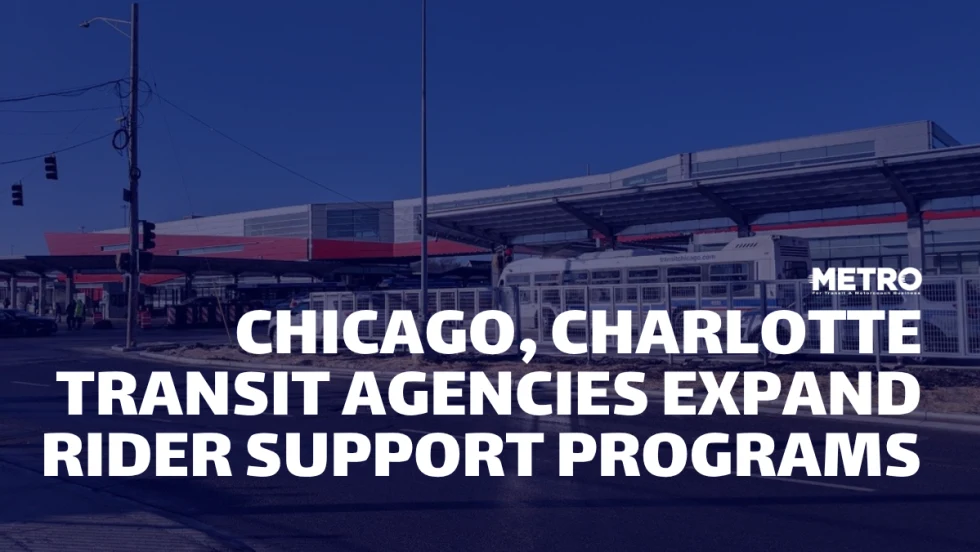
Read More →CTA launched crisis intervention teams as CATS prepares to deploy fare ambassadors, expanding customer assistance and security efforts across both systems.
Read More →