




More: Why Transit Agencies Are Rethinking the Farebox, and the Technology Behind It
Chicago, Charlotte Transit Agencies Expand Rider Support Programs
CTA launched crisis intervention teams as CATS prepares to deploy fare ambassadors, expanding customer assistance and security efforts across both systems.
October 27, 2026
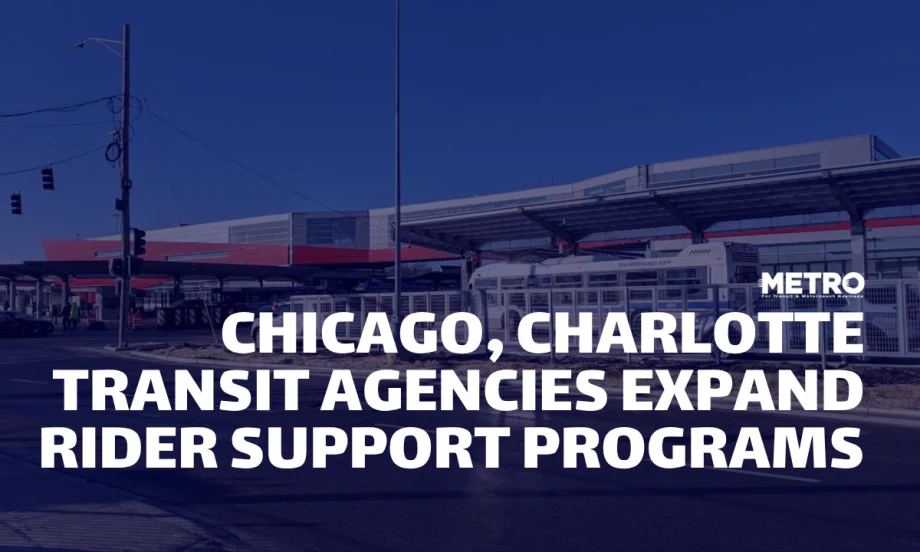
Both programs place additional trained personnel directly in transit environments, extending the agencies' ability to engage passengers and address concerns during everyday trips.
Credit:
Chicago Transit Authority/METRO
3 min to read
The Chicago Transit Authority (CTA) and Charlotte Area Transit System (CATS) are expanding their customer-facing support programs, introducing specialized personnel to assist riders, address safety concerns, and improve the transit experience.
While the programs serve different purposes, both agencies are emphasizing a visible, service-oriented approach to supporting passengers alongside existing security and operational initiatives.
CTA Deploys Safe Ride Specialists
CTA recently began deploying teams of Safe Ride Specialists aboard trains and at select stations and bus terminals as part of its security enhancement strategy.
The one-year pilot introduces trained crisis intervention and community violence intervention specialists who work alongside police, security personnel, and frontline transit employees to de-escalate incidents and connect riders with support services.
Crisis Intervention Specialists assist passengers experiencing homelessness, mental health crises, or substance use challenges by connecting them with housing, treatment, and social services. Community Violence Intervention Specialists focus on engaging youth and young adults, building positive relationships, and preventing conflicts before they escalate.
"Safe Ride Specialists are the latest addition to our expanded safety approach that’s designed to help every rider feel welcome on public transit," said CTA Acting President Nora Leerhsen.
Teams are operating in designated areas along CTA's Blue, Green, and Red lines, with deployment locations selected using incident data and feedback from riders and frontline employees.
The $9.6 million pilot builds on CTA's existing outreach partnerships and increased law enforcement presence, which the agency said has resulted in a 75% increase in monthly system policing hours.
CTA will evaluate the program based on several performance indicators, including incidents resolved without law enforcement involvement, reductions in service delays, improved safety for riders and employees, and connections to social services.
CATS Prepares to Launch Fare Ambassador Program
Meanwhile, CATS is preparing to introduce 60 Fare Ambassadors on its LYNX Blue Line beginning October 30, expanding customer assistance and fare compliance efforts as the agency modernizes its payment system.
The ambassadors, identifiable by blue shirts and yellow hats, will operate aboard light rail vehicles and on station platforms, checking for valid fares while helping customers navigate payment options, transfers, fare capping, and the CATS-Pass app.
The program is expected to expand in phases to buses and the CityLYNX Gold Line, with additional deployment dates to be announced.
"Fare Ambassadors will play an important role in helping our customers navigate their fare experience while providing a welcoming, customer-focused presence across our system," said Interim CATS CEO Brent Cagle.
CATS selected Block by Block to manage the program. The company also provides safety, hospitality, and outreach ambassador services in Charlotte's Center City through a separate partnership with Charlotte Center City Partners.
The rollout follows the approval of CATS' fare modernization and ambassador initiatives earlier this year. As METRO previously reported, the modernization effort includes new payment options, fare capping, simplified fare products, and expanded access to reduced fares.
The ambassador program also comes as CATS continues implementing broader safety and security improvements, including additional law enforcement resources and enhanced rider reporting tools.
Expanding Transit's Frontline Support
The initiatives highlight two approaches to strengthening the passenger experience through dedicated, customer-facing personnel.
CTA's program focuses on crisis response, conflict prevention, and connections to community resources, while CATS' ambassadors emphasize fare validation, rider education, and navigation assistance.
However, both programs place additional trained personnel directly in transit environments, extending the agencies' ability to engage passengers and address concerns during everyday trips.
For CTA, the pilot's performance measures will help determine whether to continue or expand the approach. In Charlotte, the phased rollout will extend fare assistance and compliance efforts beyond light rail as CATS advances its fare modernization strategy.
More Management
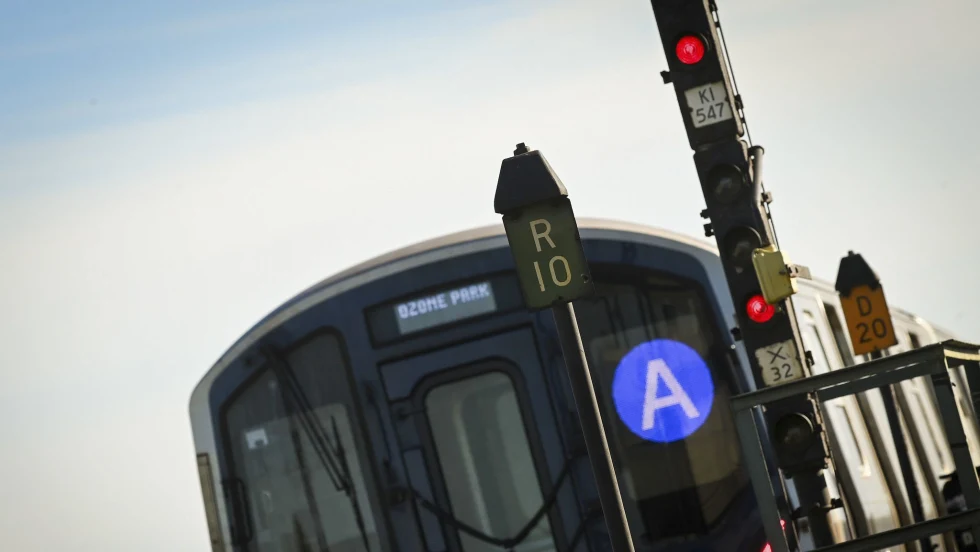
New York MTA Launches Historic $1.9B Signal, Track Modernization Project
Funded in part by congestion pricing revenue, the project will replace nearly century-old signals along the A and C lines in Brooklyn and Queens.
Read More →
Brian Dickson on Building Stronger, More Resilient Transportation Organizations
Bus Business Consultants Founder Brian Dickson discusses the leadership principles, operational discipline, and strategic planning that separate transportation companies positioned for long-term success from those stuck in survival mode.
Read More →
LA Metro Breaks Ground on Vermont BRT Project
The 12.4-mile corridor is projected to serve 66,200 daily riders, reduce travel times by up to 24%, and create the nation's busiest bus rapid transit corridor.
Read More →
Building Stronger Leaders, More Resilient Transit Teams
Dr. Carol Parker Walsh discusses leadership development, employee retention, workplace culture, and preparing transit’s workforce for AI and automation.
Read More →
Roman Cornell on ABC Companies’ Evolution and the Future of Passenger Transportation
The company’s CEO discusses carrying forward a third-generation family legacy, ABC’s continued evolution in passenger transportation, support for increasingly complex fleets, and how technology and continued investment could help operators improve uptime.
Read More →
CATS Launches West Charlotte Microtransit Zone, Expands Transit Services
The new microtransit zone connects residents to key destinations as Charlotte Area Transit System rolls out the first phase of its 2055 Transit System Plan.
Read More →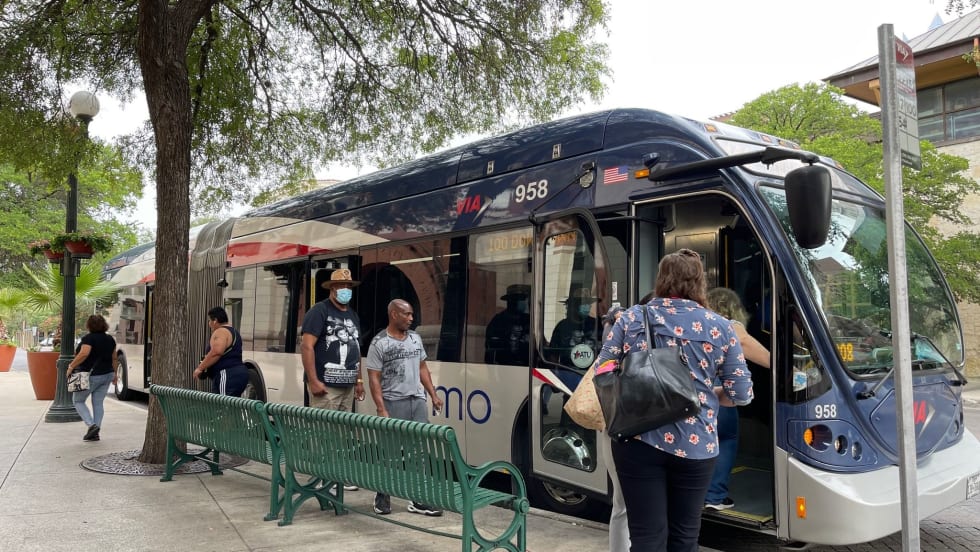
VIA Bus Ridership Grows 10.1% Through August 2026
San Antonio's VIA Metropolitan Transit reported the highest bus ridership growth among major Texas transit systems. Federal Transit Administration data ranked it second among the nation's 50 largest transit systems.
Read More →
CSA Group Releases Climate Resilience Standard for Transit, Passenger Rail
Developed with support from the Standards Council of Canada, CSA D700 guides assessing climate-related risks and planning adaptation measures for transit and passenger rail systems.
Read More →
ETA CEO John Maglio on Transit Technology, Innovation, and Building Agency Trust
ETA founder and CEO John Maglio explores the evolution of transit technology, the importance of reliable systems, and how stronger partnerships can help agencies improve operations and the passenger experience.
Read More →
COTA Launches First Customer Experience Action Plan to Improve Transit Service
The new plan outlines improvements to service reliability, accessibility, communication, and the overall rider experience across Central Ohio's transit system.
Read More →