
Metro Magazine

 MENU
MENU SEARCHMENUSEARCH
Loading data...
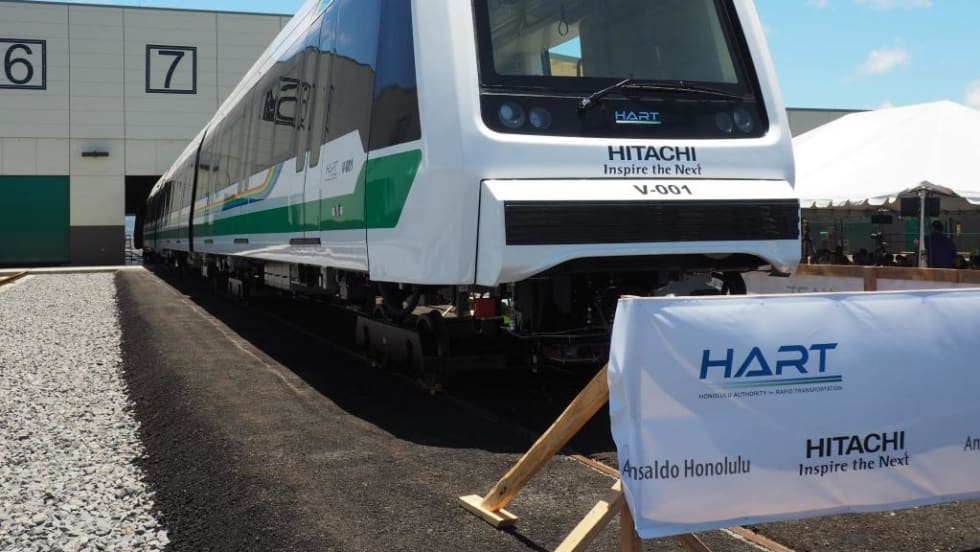
Each of the train’s four cars will be equipped with surveillance cameras and staffers will be able to monitor the train at a control center in Waipahu. But a proposal regarding transit police has not yet been brought forward.
Read More →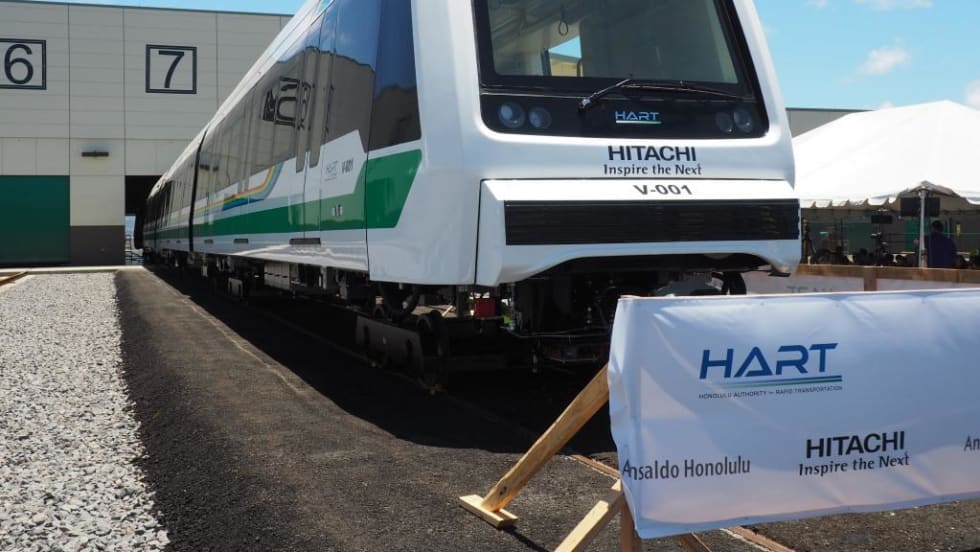
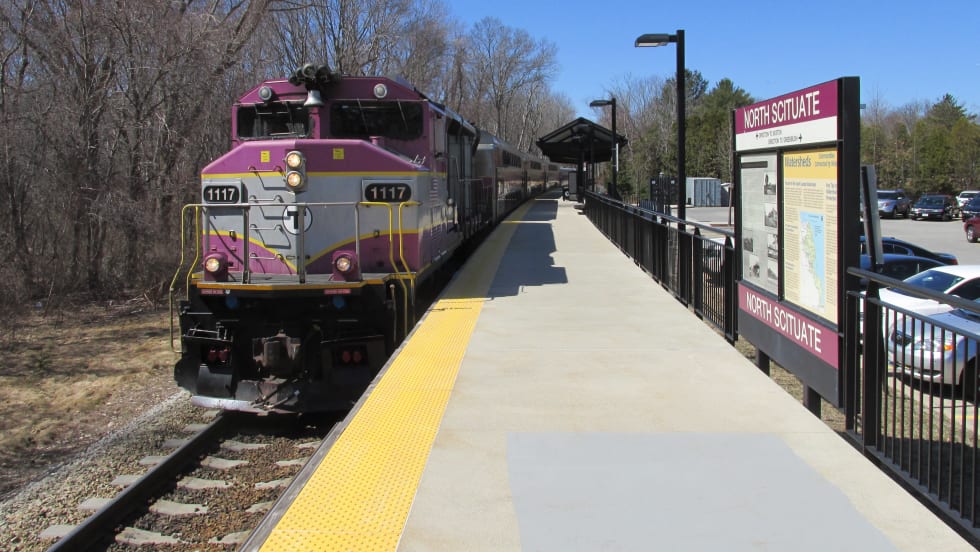
The four car train, manufactured by Hitachi Rail Italy, is a key component of the first driverless rail transit system in the U.S.
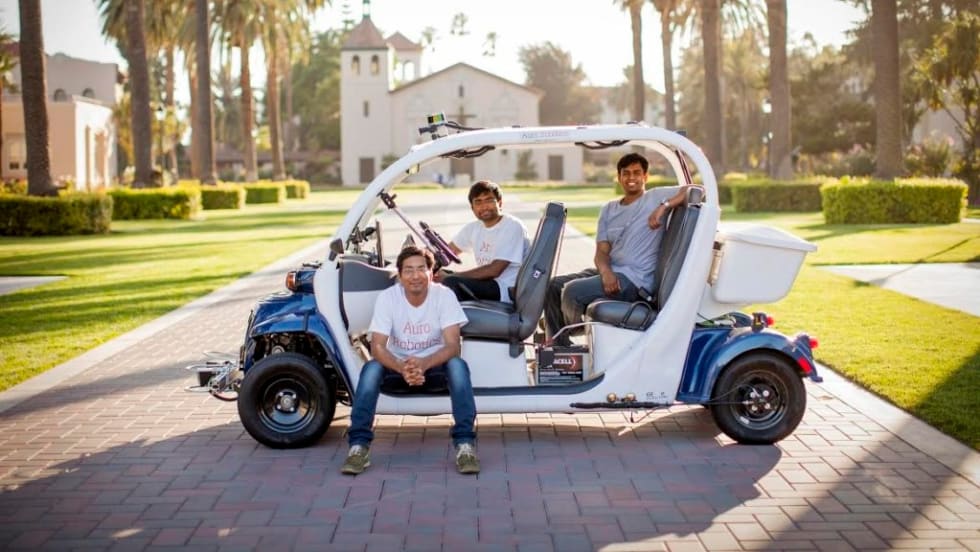
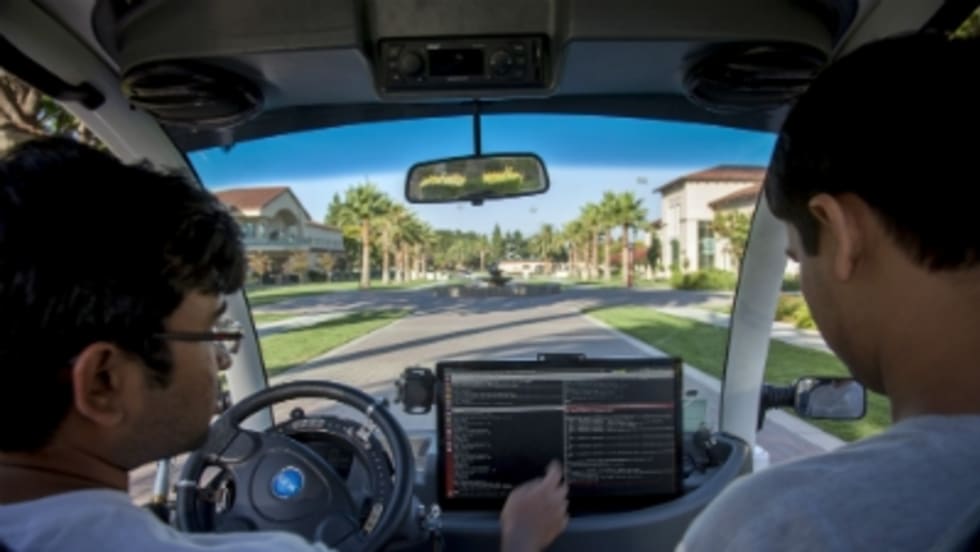
Read More →Auro Shuttles are equipped with lasers, camera, radar and GPS providing it a complete 360-degree vision under all environmental situations.
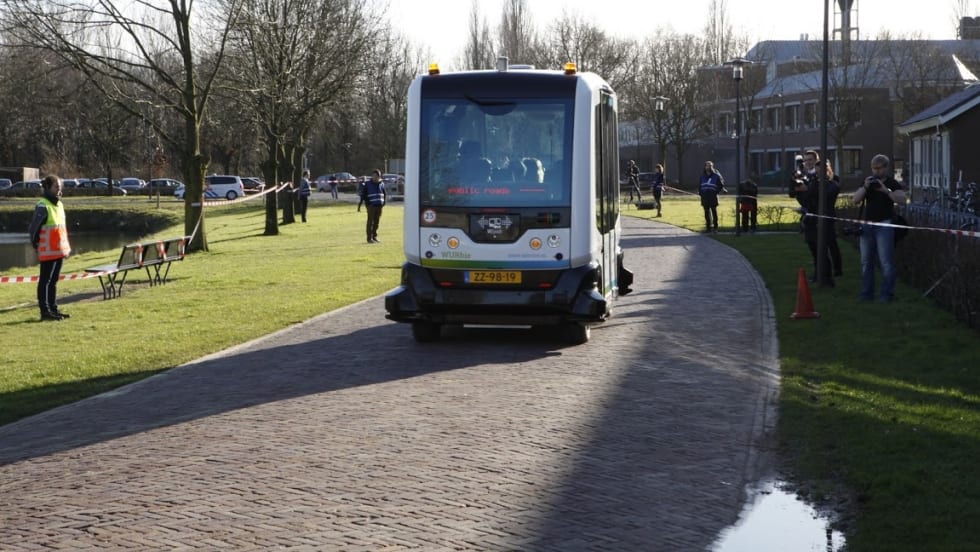
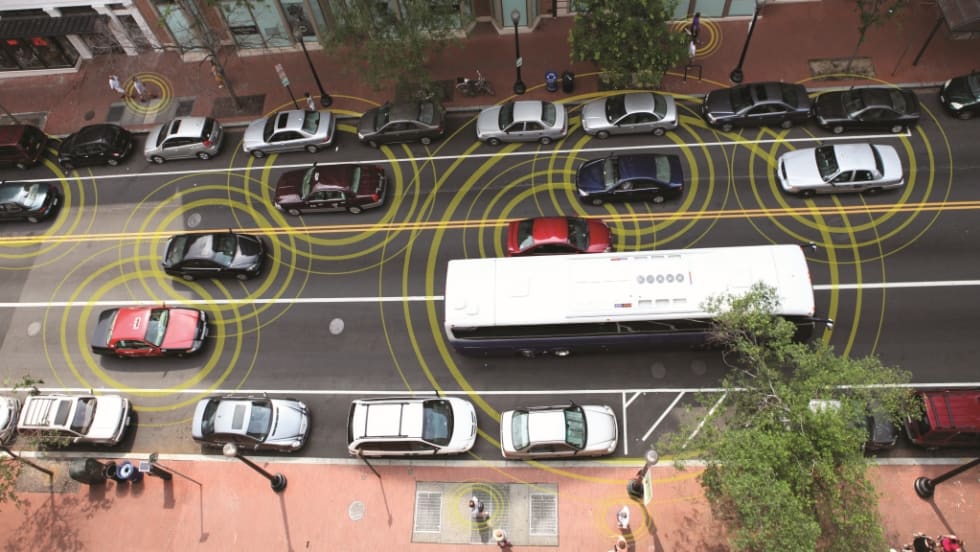
Read More →Cameras, radar sensors and laser sensors provide the WEpod with correct information on its surroundings so that it can anticipate necessary actions.
Read More →Officials had previously said the operator got off the train to put it into “bypass mode” after receiving permission to override a signal problem.
Read More →In addition to colleges, the company envisions these vehicles at theme parks, resorts, industrial campuses, and retirement communities.
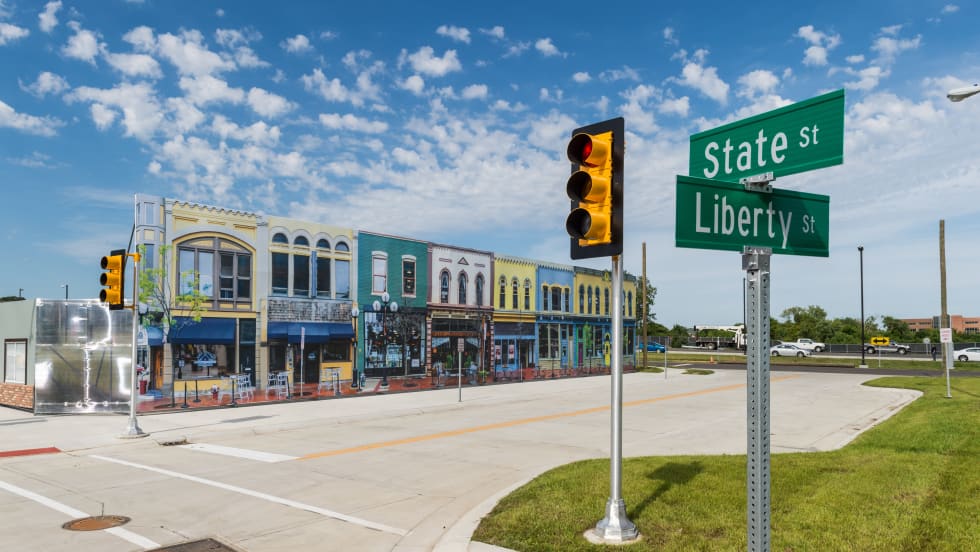
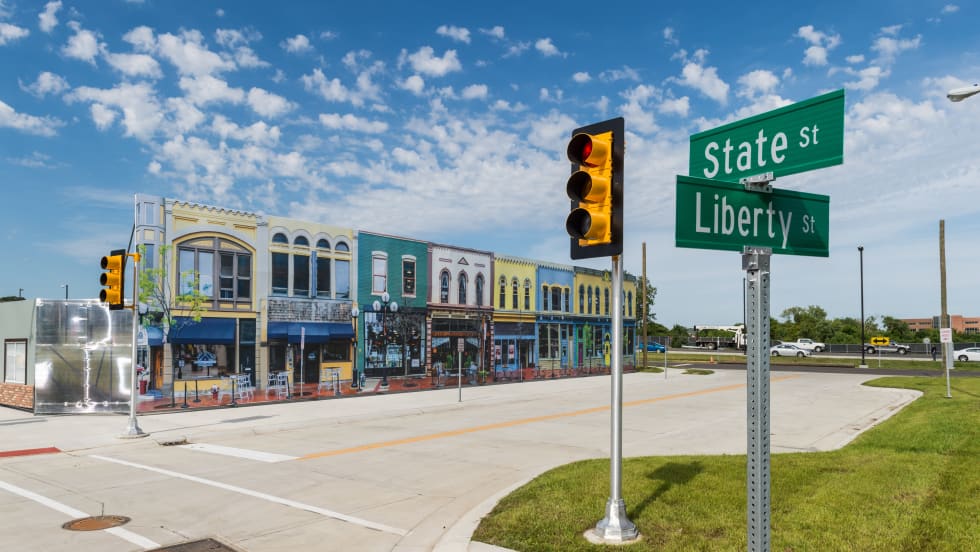
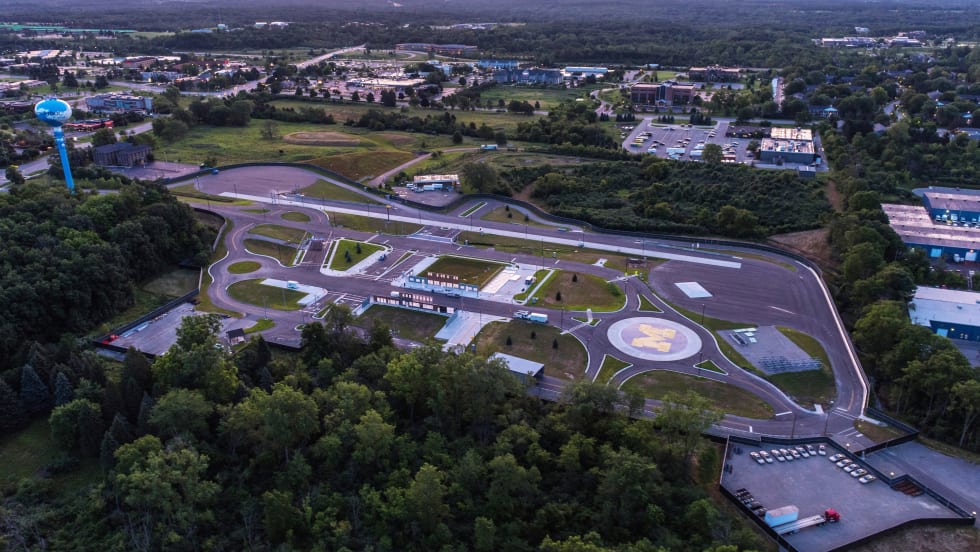
Read More →Mcity is the world's first full-scale simulated urban environment designed expressly for testing the performance and safety of connected, automated, and autonomous vehicles under controlled and realistic road conditions. It is a 32-acre outdoor laboratory for advanced mobility systems that includes network of roads with intersections, traffic signs and signals, streetlights, building facades, sidewalks and construction obstacles.
Read More →Mcity is a 32-acre simulated urban and suburban environment that includes a network of roads with intersections, traffic signs and signals, streetlights, building facades, sidewalks and construction obstacles.
Read More →An overview of the Mcity test facility for automated and connected vehicles at the University of Michigan in Ann Arbor. This updated version includes footage from the July 20, 2015 grand opening.
Read More →Driverless cars have been in the news for quite some time. Last September, I speculated in PC 360, an insurance trade magazine, that insurance premiums for autos could decrease by as much as 40% over the next five years as autonomous cars made travel much safer. I increased my estimate to a 75% decrease in insurance premiums by extending the timeline to 15 years. When I wrote those two articles, I remember thinking how much of a personal paradigm shift was needed to accept a driverless car as safe. Now, it appears that driverless buses are in the near future as well.
Read More →