



Will driverless buses be accepted sooner than driverless cars?
Driverless cars have been in the news for quite some time. Last September, I speculated in PC 360, an insurance trade magazine, that insurance premiums for autos could decrease by as much as 40% over the next five years as autonomous cars made travel much safer. I increased my estimate to a 75% decrease in insurance premiums by extending the timeline to 15 years. When I wrote those two articles, I remember thinking how much of a personal paradigm shift was needed to accept a driverless car as safe. Now, it appears that driverless buses are in the near future as well.

Driverless cars have been in the news for quite some time. Last September, I speculated in PC 360, an insurance trade magazine, that insurance premiums for autos could decrease by as much as 40% over the next five years as autonomous cars made travel much safer. I increased my estimate to a 75% decrease in insurance premiums by extending the timeline to 15 years. When I wrote those two articles, I remember thinking how much of a personal paradigm shift was needed to accept a driverless car as safe. Now, it appears that driverless buses are in the near future as well.
In the mid-1980s, I created a self-insurance pool for political subdivisions, including school districts. Our criteria for accepting drivers included periodic physicals and clean driving records. The loss control company I owned held driver clinics teaching proper techniques and stressing safety habits. Of course, the drivers had to carry the appropriate licenses. There is immense fiduciary responsibility placed on a bus driver.
I can still remember how personally violated I felt when one of our insured school bus drivers had an accident that resulted in a rollover. The driver tested having a blood alcohol content in excess of the then-legal limit of .15. Thankfully, no one was hurt too severely. The first person on the scene smelled alcohol on the driver’s breath and restrained him until the authorities arrived.
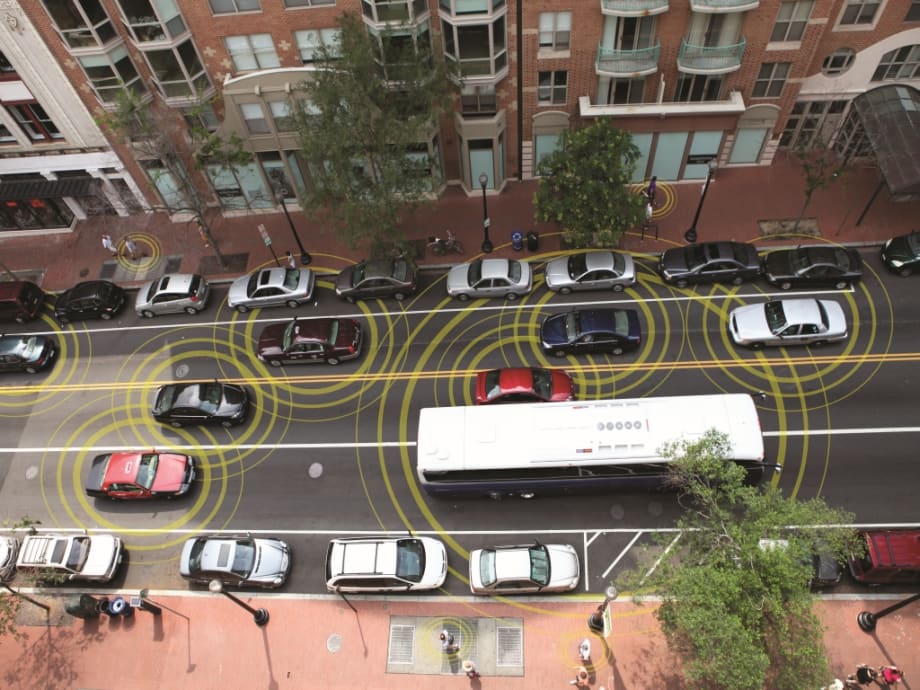
RELATED:'Connected' Vehicle Testing Aims to Bolster Bus Safety
Given the option to replace that particular driver with a computer, I would have unequivocally opted for the driverless bus.
My example isn’t remotely fair, in that you’re six times less likely to become a fatality in a motorcoach accident than you are in a private passenger auto accident. Even so, we’re moving quickly, in some people’s opinions, to jeopardize this safety by placing buses in the hands of computers.
Just a few weeks ago, there was an article released entitled “Don't Expect to Ride in Driverless Buses Anytime Soon.” It offered as proof for its assertion that bus manufacturers in the United States aren’t investing money into developing autonomous vehicles.
That is an erroneous conclusion.
I live in the Minneapolis/St. Paul area, where we already have moved toward driverless buses. That same article points to the 10 buses, with lane assist systems, operating on our southeast metro area highways. This technology, also used in snowplows, will make steering corrections to help the driver keep the bus within narrow lanes. It also provides visual and sensory signals to the driver. This is a sign that driverless busses are within our grasp.
All we have to do to see the future is look to Europe. They’ve been running tests on actual streets with driverless buses. Their first realization was that integrating driverless buses with actual traffic was far less problematic than with driverless cars. Buses have fixed routes. They also found that driverless vehicles could operate in much denser traffic than vehicles driven by humans.
The Transport Minister of the United Kingdom recently claimed that 2015 could be the year for driverless buses stating they could provide “better and more frequent service.”
Testing of driverless shuttle buses began in the Greenwich borough of London in February of 2015. These shuttles carry a maximum of 10 people and attain speeds of only 13 mph. The shuttles are designed to travel pre-determined routes, but can also respond to pick-up requests from smart phones apps, like Uber.
Personally, I believe that driverless buses will be accepted sooner by the masses than driverless cars. People have become accustomed to unmanned mass transit at airports, making it a short leap to autonomous buses. In contrast, people have too much fun behind the wheel to willingly give up driving their personal vehicles.
The Phileas Project in the Netherlands has invested over one billion euros into a “guided bus.” Although there is an attendant driver, the buses can drive automatically. Phileas high-speed trams are in operation in the Netherlands, Turkey, South Korea, Israel and France.
Driverless buses are already in use within contained environments. Toyota is fast developing the driverless bus and has them in operation at a theme park on Awaji Island.
In addition to the actual road tests, driverless bus manufacturers are putting virtual buses through massive virtual tests using computer models.
There is no statistical proof of autonomous bus shortcomings, but I have a bias.
I grew up on a farm. Machines are brutally unforgiving. Many farmers have been harmed by accidents with supposedly safe farm machinery.
I hope the technology people care more about safety than profits. I hope they care enough to make sure these driverless buses are as safe as the drivers of today have made motorcoach travel. Moreover, I hope that the economic savings projected by the proponents of these vehicles isn’t false economy in that one horrific loss attributable to mechanical failure would wipe out the “expense” of a competent driver.
Jim Holm, president of The InterAgency/Insurance Partners, has been in the insurance industry for five decades.
More Blog Posts
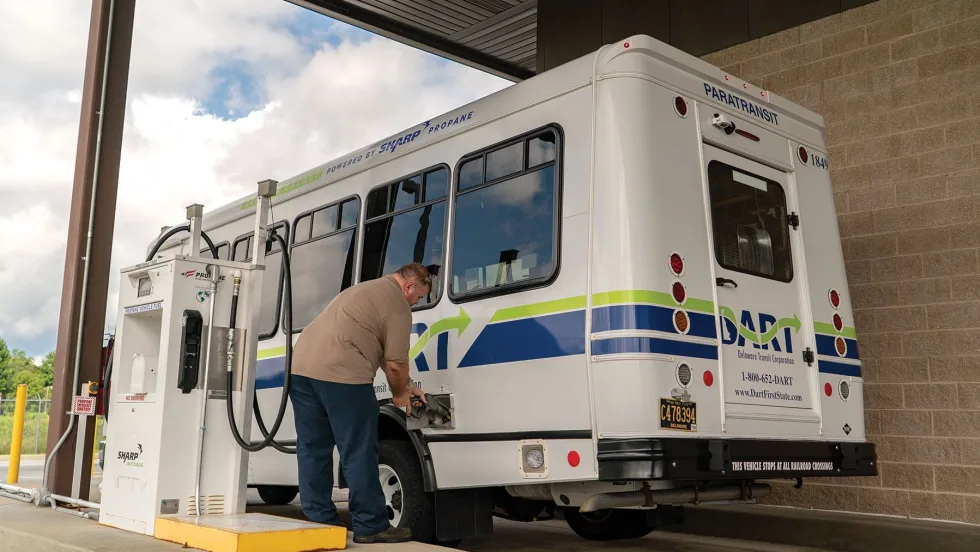
Building a Winning FTA Grant Proposal: Why Propane Autogas is the Pragmatic Choice for Fleet Resilience
With $610 million available through the FY 2026 Buses and Bus Facilities Competitive Program and the Low or No Emission Grant Program, agencies must build a compelling case before the September 21 deadline that balances environmental compliance with operational feasibility.
Read More →
Velo-city Conference 2026: Latest Trends in Cycling as Part of Urban Mobility
The global cycling conference highlighted how cities are integrating bicycles into multimodal transportation networks, expanding cycle tourism and reshaping urban mobility.
Read More →
Kindness Isn’t Soft...It’s Strategic.
Mike Bismeyer — often known as “The Kindness Guy” — has spent more than 17 years in public transit and mobility, serving in industry leadership roles, speaking across North America, and advocating for stronger workplace cultures. But his message doesn’t come from theory. It comes from lived experience.
Read More →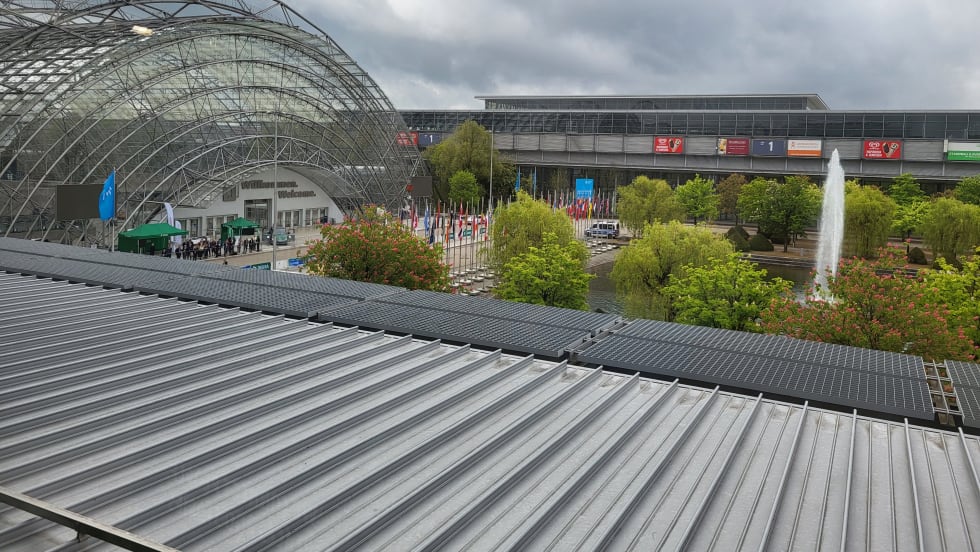
Inside ITF 2026: Transport Reacts to A Challenging World
Transport leaders from around the world gathered in Leipzig, Germany, for the 2026 International Transport Forum to discuss resilience, climate impacts, supply chains and the future of sustainable mobility.
Read More →
Every Ride Tells a Story — But You’re Not Just Selling the Ride
You’re selling the moment, the meaning, and the emotion behind it.
Read More →
How Digital Signage is Reshaping the Traveler Experience at Transportation Hubs
What was once a landscape of static signs has evolved into a responsive, immersive environment powered by real-time visual communication.
Read More →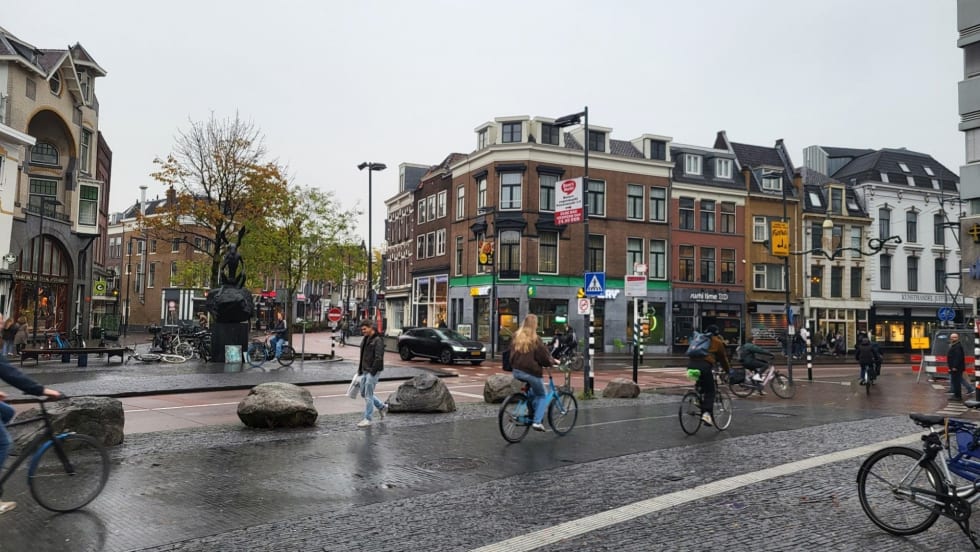
Latest Trends in Urban Mobility from Polis Conference 2025
Polis comprises cities and regions, as well as corporate partners, from across Europe, promoting the development and implementation of sustainable mobility. This year’s event had over a thousand attendees across various policy forums and an exhibition.
Read More →
Why Transit Leaders Require Better Tools for Operational Clarity In Today’s Tech-Fragmented Environment
Across North America and beyond, transit agency officials are contending with a perfect storm of operational headaches and strategic challenges that hamper daily service and long-term progress.
Read More →
The Powerless Brokers: Why California Can’t Build Transit
It is no secret that transit in the U.S. is slow and expensive to build.
Read More →
Why Transport Sustainability Should Focus on People Instead of Cars
Simply incentivizing electrification is not enough to make a meaningful impact; we must shift our focus toward prioritizing public transportation and infrastructure.
Read More →