



Robotics co. secures $2M to deploy autonomous campus shuttle
Auro Shuttles are equipped with lasers, camera, radar and GPS providing it a complete 360-degree vision under all environmental situations.


Santa Clara University will be the beta test site for autonomous shuttles (Photo credit: Joanne H. Lee/Santa Clara University)

Santa Clara University will be the beta test site for autonomous shuttles (Photo
Joanne H. Lee/Santa Clara University)
Auro Robotics, an autonomous campus shuttle service, secured $2 million in funding, which will be used to roll out autonomous campus shuttle services at a major American university later this year, marking one of the most advanced deployments of self-driving cars to date.
“Private campuses are an ideal springboard toward a world of fully automated vehicles,” said Jim DiSanto, managing partner at Motus Ventures, the investment firm that led the funding round. “Operating at lower speeds, free of complex government regulations, with the right technologies we can go completely driverless today versus the end of the decade, as projected for public transportation.”
Auro Robotics provides a complete technology system, including proprietary software specific to the unique needs of the private campus environment, to ensure safe and reliable autonomous transportation that promises to reduce parking congestion, facilitate mobility, improve campus security and reduce operating costs up to 60%. The platform combines vehicles and a software platform to overcome challenges of maneuvering safely among erratic traffic flow, heavy crowds, bad weather and imprecise GPS.
The company currently operates a pilot service at Santa Clara University where it safely transports students and faculty anywhere and anytime on campus.
The Auro Robotics system includes a suite of technologies encompassing all aspects of campus autonomous driving. Auro Robotics equips all-electric vehicles with a multi-sensor system for detecting ground-level obstacles. Software includes three-dimensional map creation and real-time localization, as well as advanced motion-planning software and a smart vehicle-pedestrian interaction system. The company also provides a mobile application tuned for on-demand shuttle scheduling and tracking, as well as cloud-based fleet management and scheduling software.
Auro Shuttles use the latest technology to ensure safe navigation even on busy roads. The vehicle is equipped with lasers, camera, radar and GPS providing it complete 360-degree vision under all environmental situations.
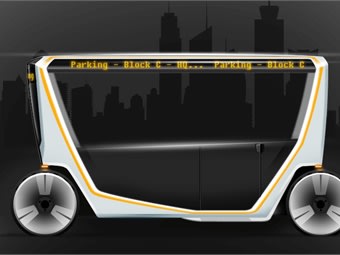
Vehicle Technology
The shuttles relies on a prior 3D map of the environment, which is created once in the lifetime at the beginning. In all subsequent runs, it uses this 3D map to localize itself and interpret road topography, according to Auro Robotics' website.
Passengers can input their destinations through a simple-to-use touch screen mounted on the vehicle, or through their mobile app. The underlying software automatically figures out the optimum high-level route to reach safely to the destination.
Auro Prime is a complete self-driving vehicle equipped with all autonomous driving features. It includes:
Obstacle detection and collision avoidance
Road & lane detection and following
Pedestrian detection and avoidance
Emergency braking system
Adaptive speed control, as per the traffic situation
Traffic signs & signal recognition, and following
About Auro Robotics
Founded by graduates of CMU’s Robotics Institute, and the IIT Kharagpur Robotics Research Group, and Y-Combinator, Nalin Gupta, Jit Ray Chowdhury and Srinivas Reddy launched Auro Robotics to apply their work on self-driving shuttles to the campus market. Visit www.Aurobots.com
More New Mobility
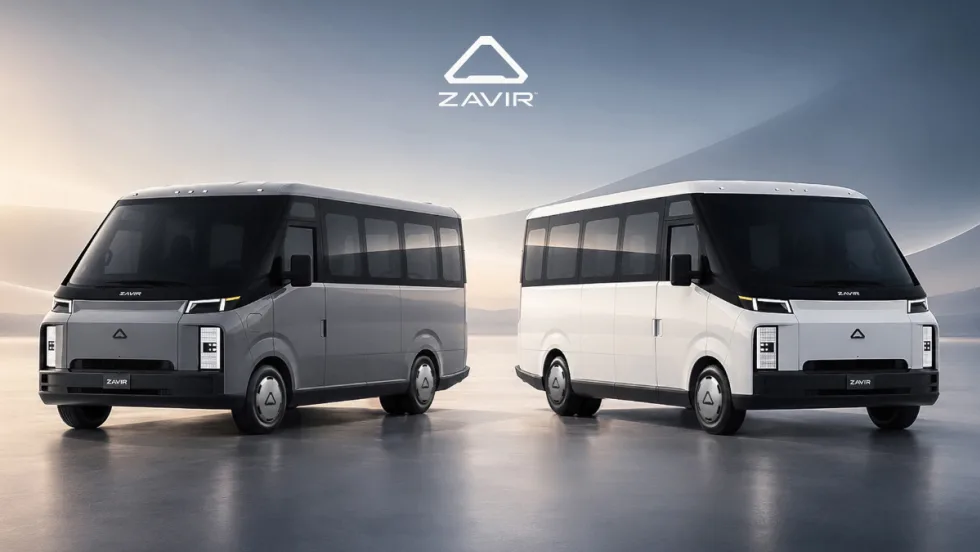
ENC Unveils ZAVIR Medium-Duty Electric Shuttle at APTA EXPO
The new ZAVIR brand targets shuttle and paratransit operations with battery-electric and range-extended electric vehicle options.
Read More →
Public Transit Conference Returning to GFX in 2027, Call for Papers Now Open
The Call for Papers is now open, allowing transit agency professionals and industry experts to help shape the PTC educational program by submitting session ideas for consideration.
Read More →
Everett Transit, Community Transit Outline Consolidation Agreement
The proposed agreement calls for a 50% increase in bus service in Everett, a new microtransit zone, continued paratransit service, and the transfer of Everett Transit operations to Community Transit.
Read More →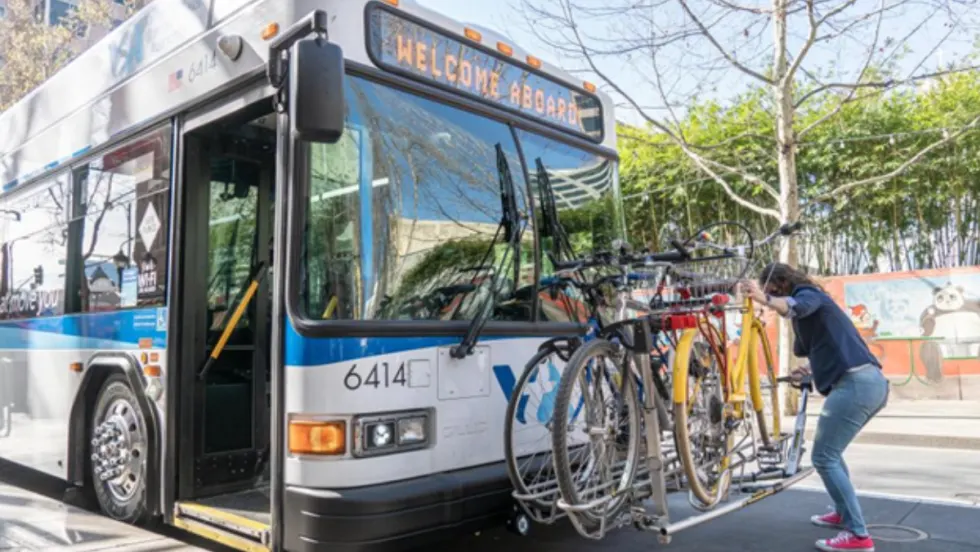
What Multimodal Data Can Tell Transit Agencies About Rider Demand
See how bike-on-bus data is giving transit agencies new insight into rider demand, capacity constraints, and gaps in first- and last-mile connections.
Read More →
From Hardware to Digital Partner: Luminator Charts Its Next Chapter
CEO Magnus Friberg discusses Luminator’s shift toward becoming a digital partner, the growing importance of software and interoperability, and how AI can help agencies improve operations and passenger experience.
Read More →
Biz Briefs: Alstom Lands Canadian Contract, LYT to Supply California TSP, and More
In METRO's latest installment, we take a look at recent news from Complete Coach Works, Beep, FlixBus, and more partnerships making headlines across the transportation sector.
Read More →
CharterUP’s Armir Harris on Technology, AI, and the Future of Group Mobility
In a recent episode of METROspectives, CharterUP Founder/CEO Armir Harris discussed the company’s evolution from an online charter bus marketplace into a technology platform supporting public- and private-sector mobility and much more.
Read More →
Jacksonville’s NAVI Project Charts a New Course for Autonomous Public Transportation
Through its NAVI program, JTA is showing how autonomous vehicles, intelligent infrastructure, and coordinated operations can work together to deliver everyday public transportation.
Read More →
Biz Briefs: Luminator Marks Milestone and More
From manufacturers and suppliers to transit agencies and motorcoach operators, these updates offer a snapshot of the projects, partnerships and business moves driving the industry forward.
Read More →
New Tricks for Old Bureaucracies: Joshua Schank on Making Transit Innovation Stick
Former LA Metro Chief Innovation Officer Joshua Schank discusses why good ideas aren't enough, how transit agencies can overcome resistance to change, and why today's challenges demand more innovation.
Read More →