
Metro Magazine

 MENU
MENU SEARCHMENUSEARCH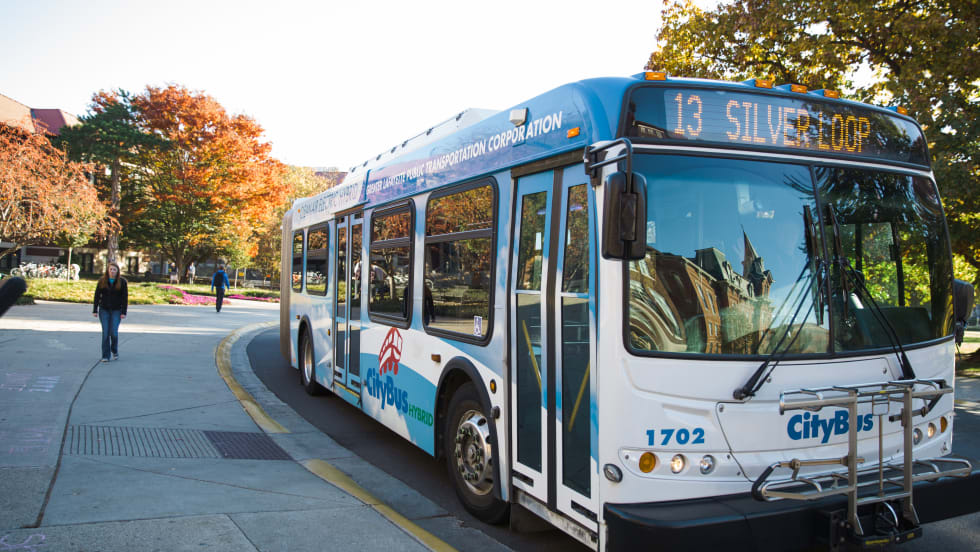
The rapid growth of the Internet of Things (IoT) device ecosystem, and the spread of high-speed broadband internet access combine to offer cities of all sizes the opportunity to modernize their mass transit systems. Doing so will enable officials to accomplish two long-standing goals: drive up the usage of public transportation and spur local economic development.
Read More →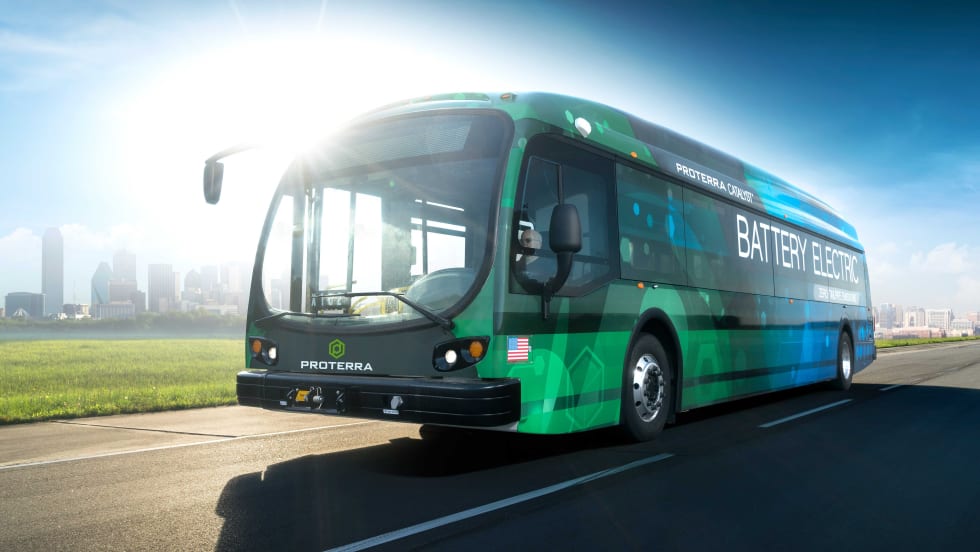
Pilot will deal with real road conditions from the perspective of public transit systems, and emphasize dense and dynamic environments, degraded conditions, and a need for swift emergency response.
Read More →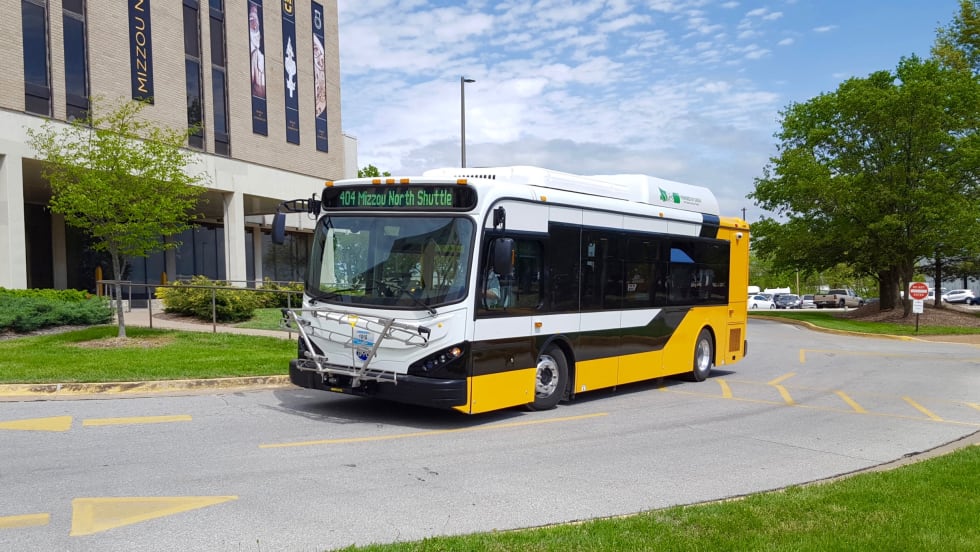
Th city's bus system, which connects the city with the University of Missouri, is the first and only battery-electric fleet in revenue service in the state and one of the largest in the Midwest.
Read More →
This will be the first such program in Florida to involve a city, a university, and a state DOT. It will also involve industry partnerships to facilitate the development and operation of test bed.
Read More →
The service will be available for a 15-months pilot period, and if successful, there are negotiations underway to its becoming an official startup in 2018.
Read More →
The app would allow students to connect with their peers to find a ride to campus.
Read More →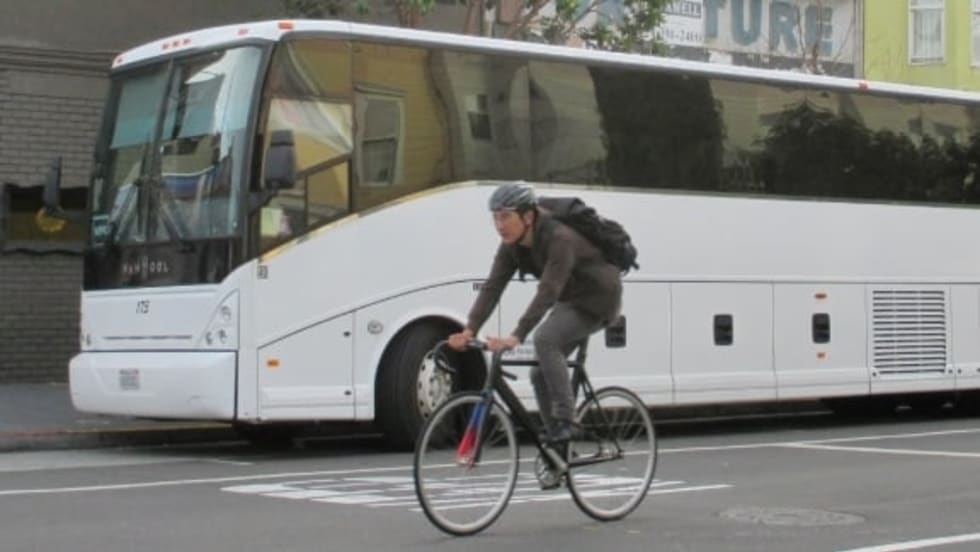
Many operators who drive those vehicles struggle to make ends meet with their current pay.
Read More →
The cash out program is designed with the goal of reducing the number of motor vehicles on campus as well as creating a more pedestrian friendly community.
Read More →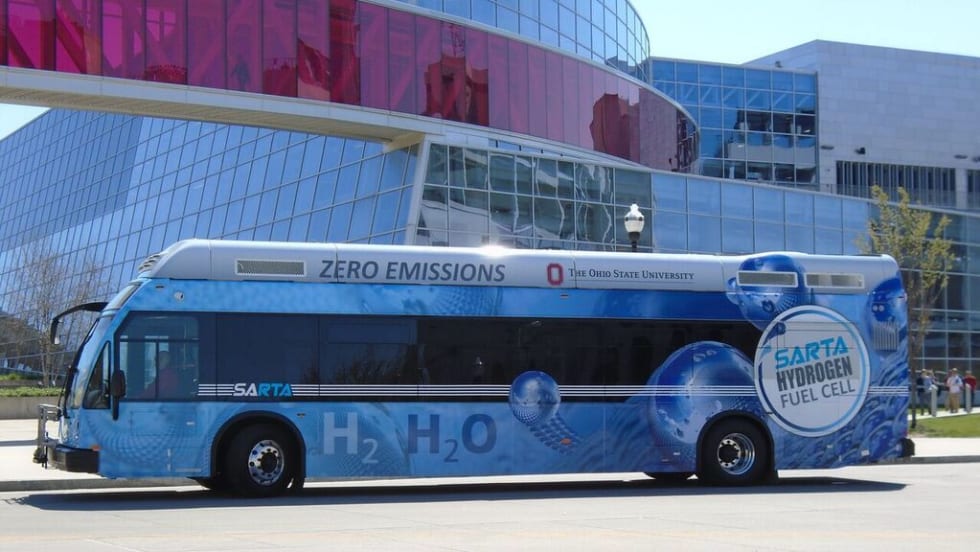
Will service the first hydrogen fuel cell bus in operation as part of the Ohio State University campus fleet.
Read More →
The numbers, outlined in a new Vanderbilt University poll, could help boost the cause of Middle Tennessee transit advocates who are seeking action from the state legislature to allow local governments to hold referendums on funding transit projects.
Read More →