
Metro Magazine

 MENU
MENU SEARCHMENUSEARCH
Loading data...

APTA calculates the average cost of taking public transit by determining the average monthly transit pass of local public transit agencies across the country. This information is based on the annual APTA fare collection survey and is weighted based on ridership (unlinked passenger trips).
Read More →While some transit agencies are cutting back or even eliminating service to save money, why not begin looking at the bottom line with student operators, during and at the completion of their behind-the-wheel training. Identifying poor performers during training and separating them prior to graduation can contribute greatly to overall safety improvements for the training department and, reduce claims.
Read More →Forty-seven Safeway outlets around the Puget Sound region now allow customers to purchase E-purse value or transit passes on their previously issued ORCA cards. ORCA, One Regional Card for All, is the electronic fare system for seven transportation agencies in the Puget Sound region.
Read More →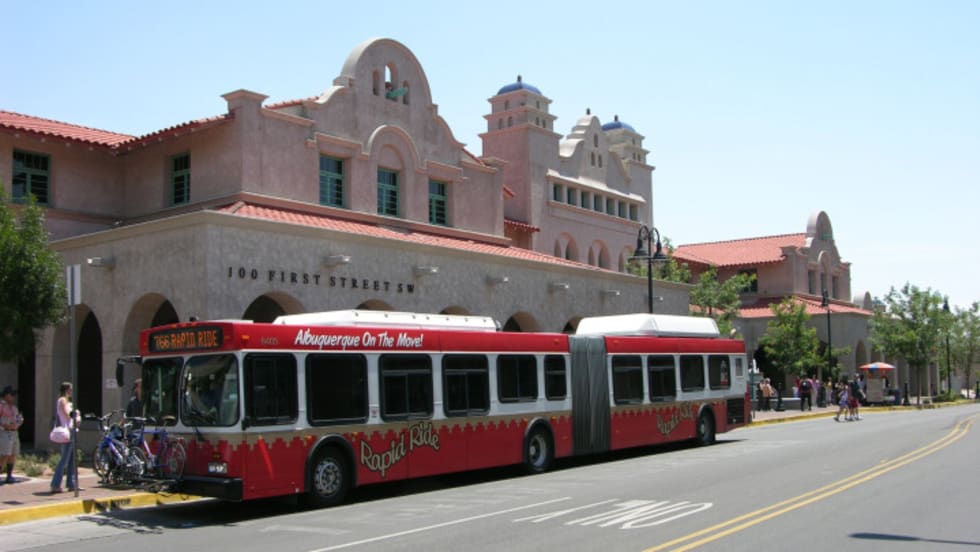
Dwindling sales tax revenues continue to have a serious impact on many transit agencies around the nation, with 78 percent of this year's respondents to the survey saying they are experiencing budget issues.
Read More →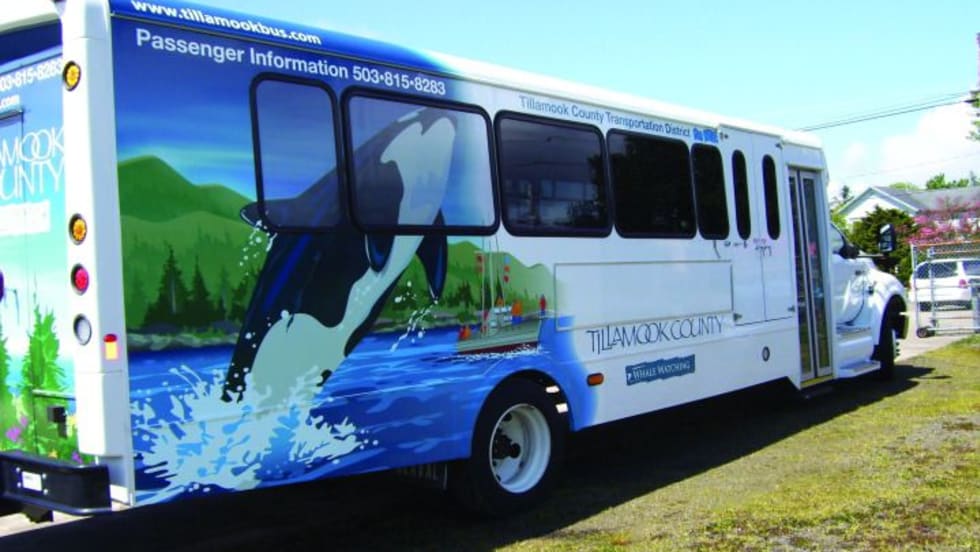
Companies specializing in custom transportation materials are using large format printing, digital imaging, and durable, reusable materials — sometimes in conjunction with data-efficient bar coding — to benefit both passengers and operators.
Read More →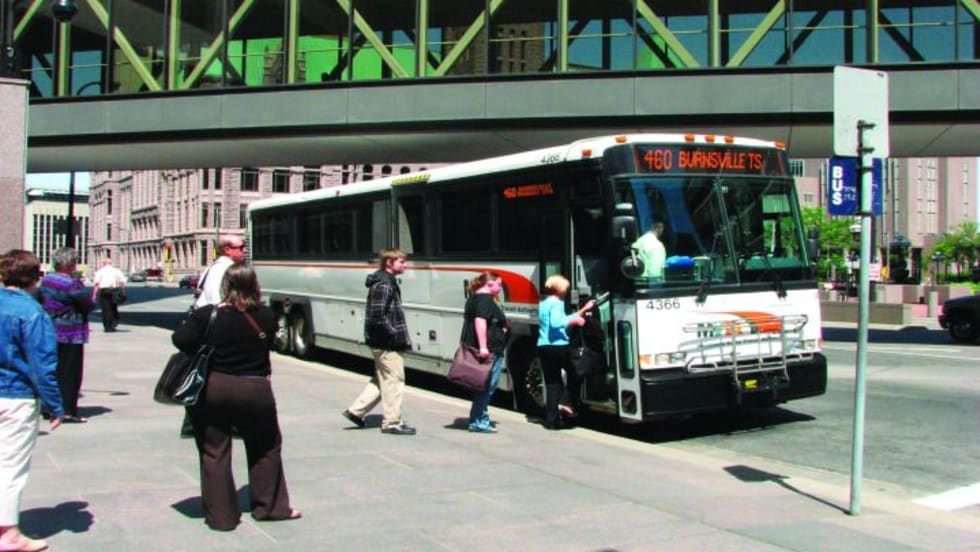
Recent advances in the world of mobile surveillance increase public safety while allowing transit agencies to improve incident response, reduce risk and save money.
Read More →Three out of four agencies responding to the annual survey reported that their ridership numbers were down due to the economy and some were additionally impacted by raising their fares. The average transit executive salary totals $157,000, while the average time spent in the industry tops 25 years.
Read More →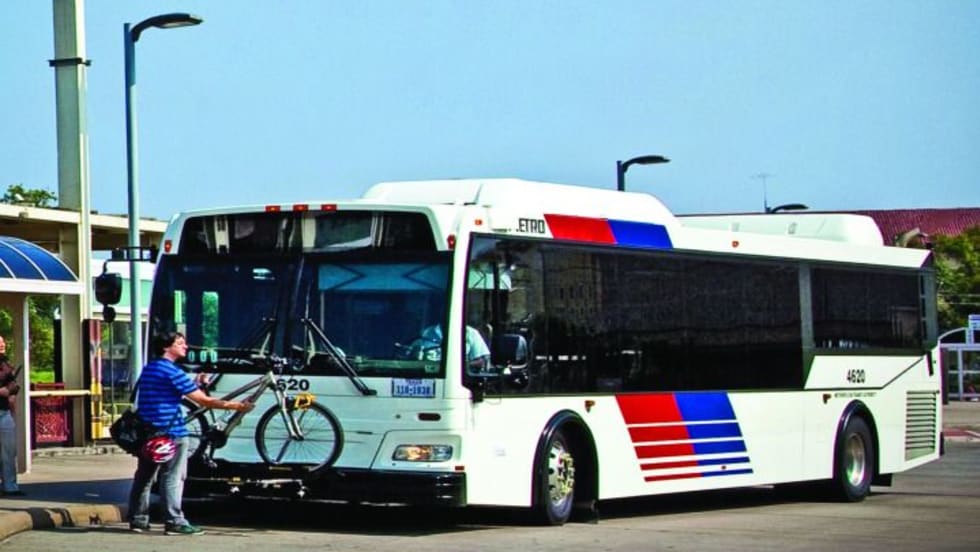
As decreased revenue continues to impact transit agencies' budgets, many are continuing to find ways to become more efficient and remain a part of the entire intermodal solution. New York City Transit remains in the top spot of this year's survey.
Read More →PROTECT and FirstView allow transit authorities to monitor multiple chemical warfare sensors, distribute command and control responsibilities among agencies, and integrate Metro's hundreds of cameras into a manageable system.
Read More →Smaller agencies will receive technology first, which will include software for automated routing, scheduling and coordination.
Read More →