
Metro Magazine

 MENU
MENU SEARCHMENUSEARCH
Loading data...
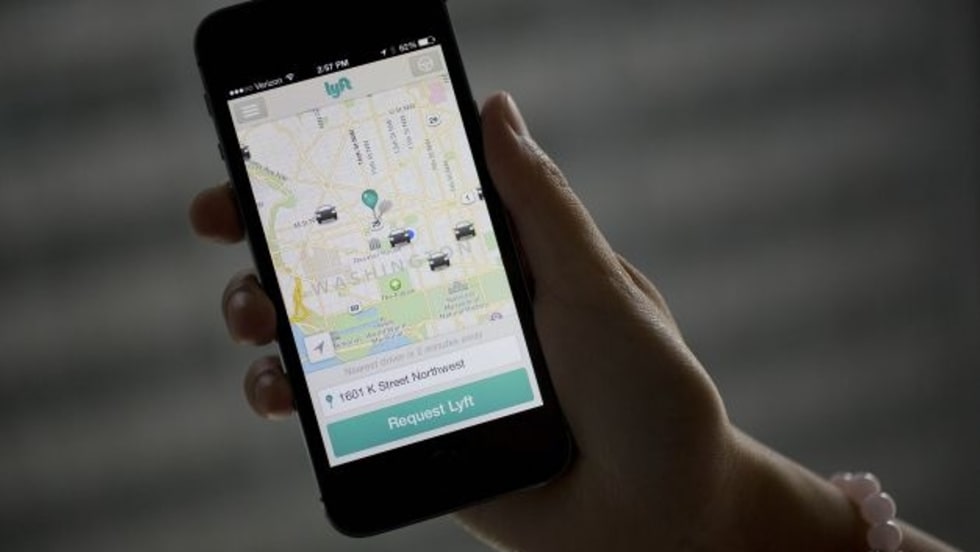
The initial report was made possible by a law signed in August 2016 that allowed the state to start collecting the data for the first time.
Read More →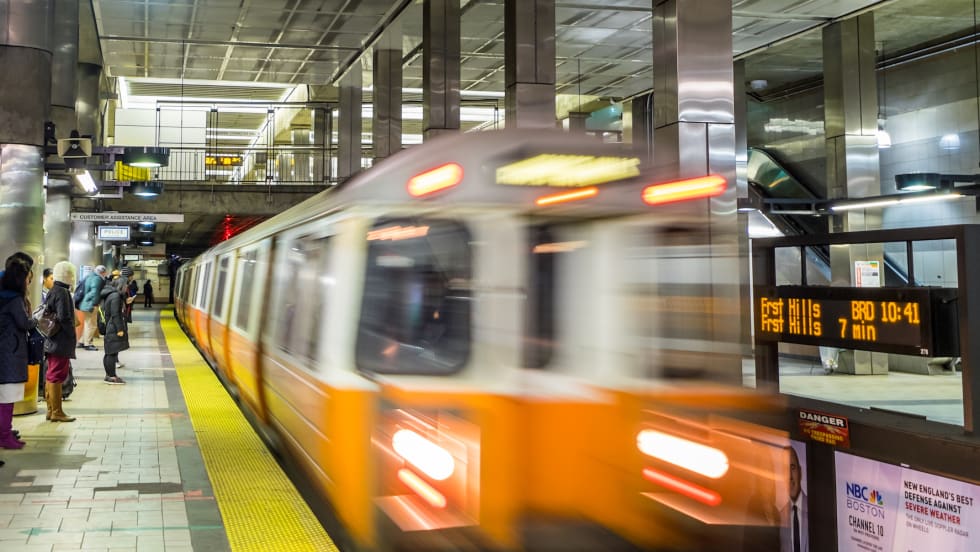



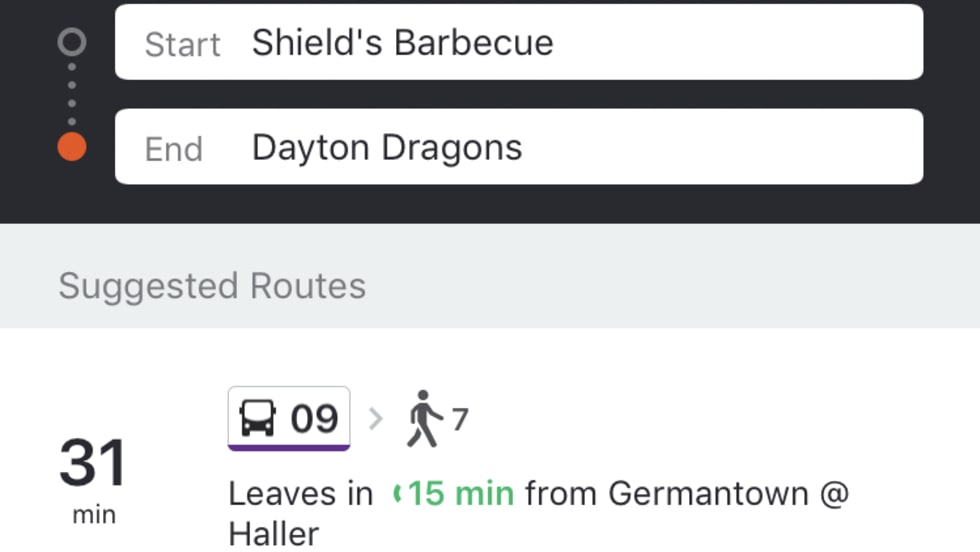
Using more sophisticated data to generate better predictions, and train arrival times are now refreshed every six seconds.
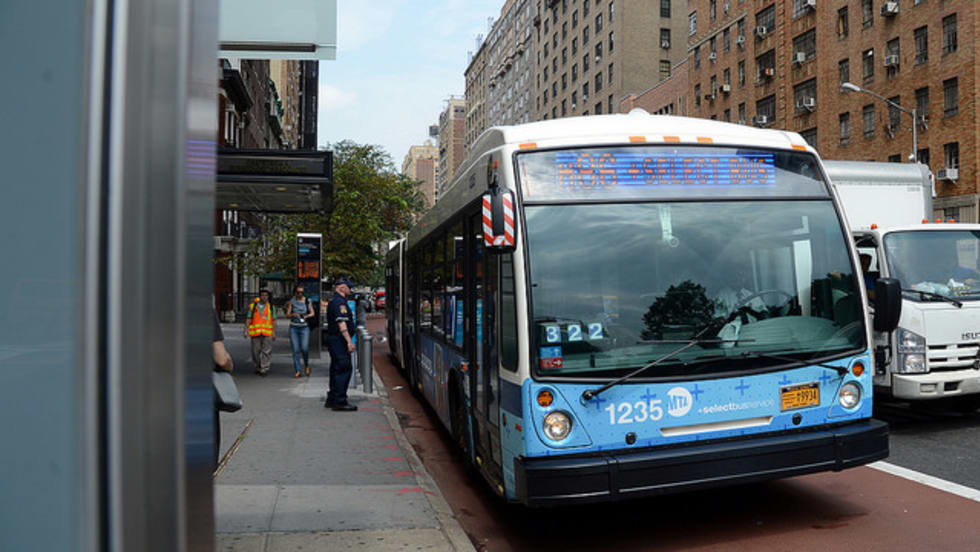
Read More →The data on the bus performance dashboard is based on farebox, GPS, and other information and can be filtered by borough; types of service, such as local/limited, express, or Select Bus Service; and time periods, such as weekday peak or off-peak hours.
Read More →While physical assets and roadside infrastructure are a vital part of connected transportation systems, in many cities and states, it is the underlying technology network that is most lagging.
Read More →Aiming to solve this important industry gap, Stratio Automotive built an automotive-grade equipment, compatible with all the different vehicle communication protocols, which collects in real-time
Read More →In developing the new metrics dashboard in-house, New York City Transit reviewed global standards for publicly reported performance data and opted to surpass those standards in the interest of increased transparency.
Read More →Reliable real-time information will be available to customers, with live tracking and departure data from specific stop locations on bus and rail.
Read More →The real-time information in DCTA’s Transit Tracker system is powered by Swiftly who generates schedule data in General Transit Feed Specification R package format and real-time automatic vehicle location data (GPS trackers installed on agency vehicles).
Read More →Moovit, which was named Google’s top local app in 2016, mixes available public data, including transit timetables and live information, with crowdsourced data from its more than 70 million users and 180,000 local volunteers.
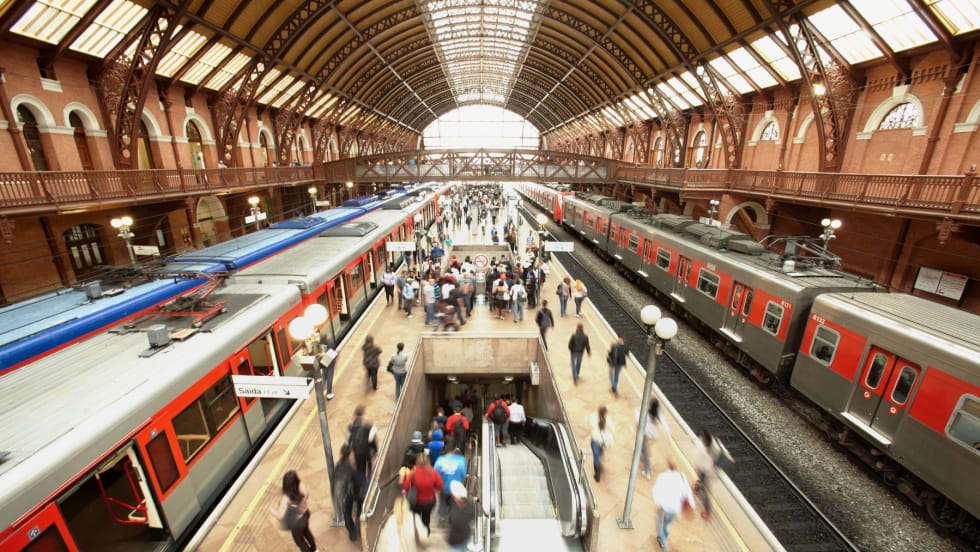
Read More →Transit systems move millions of people each day, getting us to where we need to go, influencing our moods, and shaping our collective stories. But, faced with fluctuating ridership, uncertain budgets, and the sky-high expectations of a digital savvy customer — open app, get car — how can centuries-old transit systems keep up?
Read More →