
Metro Magazine

 MENU
MENU SEARCHMENUSEARCH
Loading data...

He has more than 20 years of experience in Software as a Service (SaaS).
Read More →
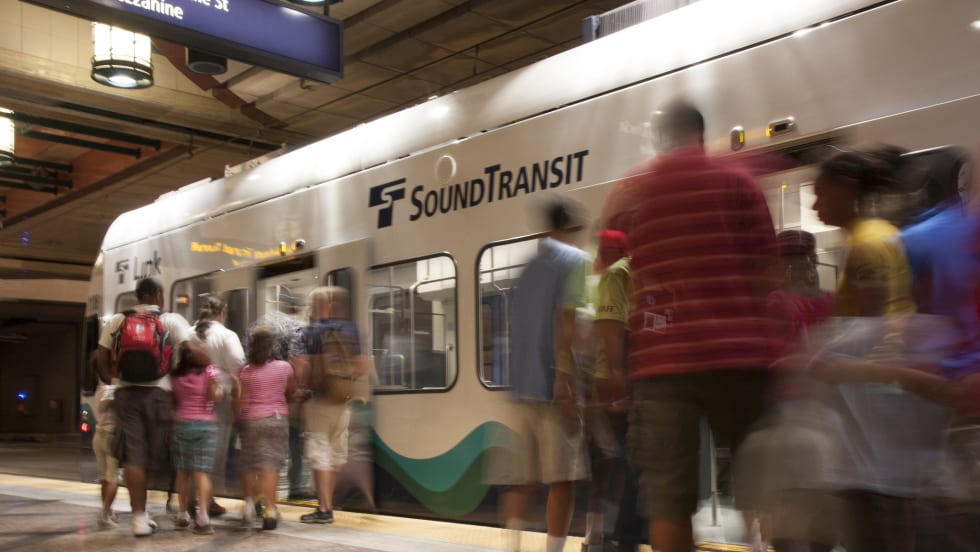

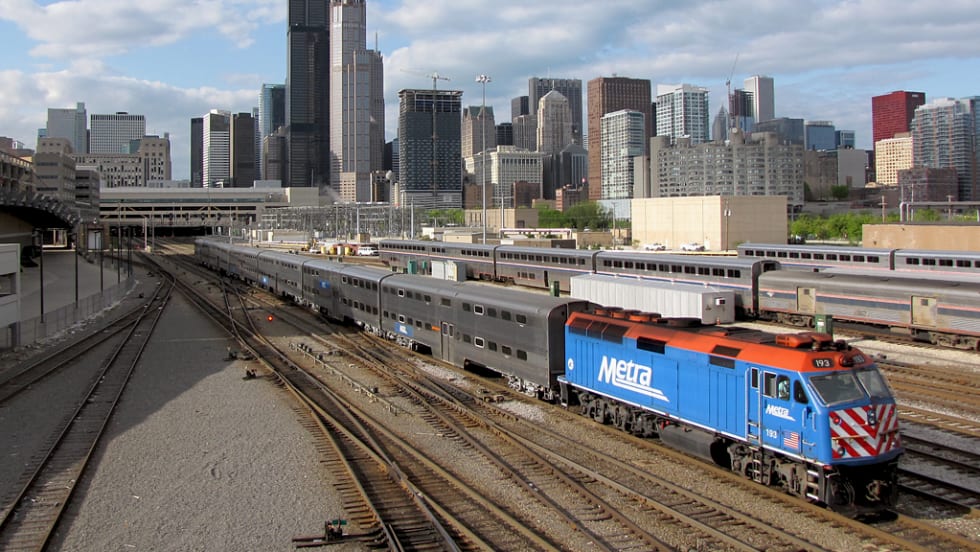
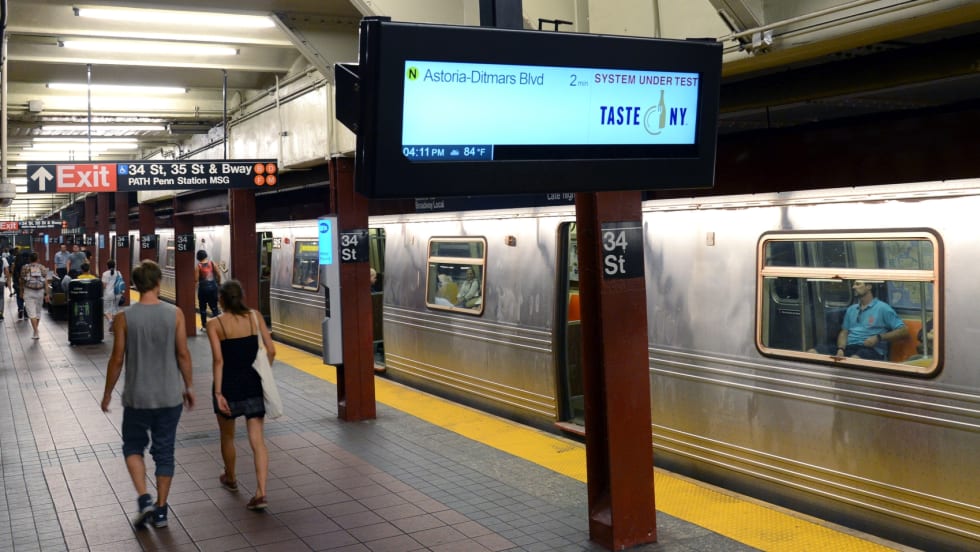
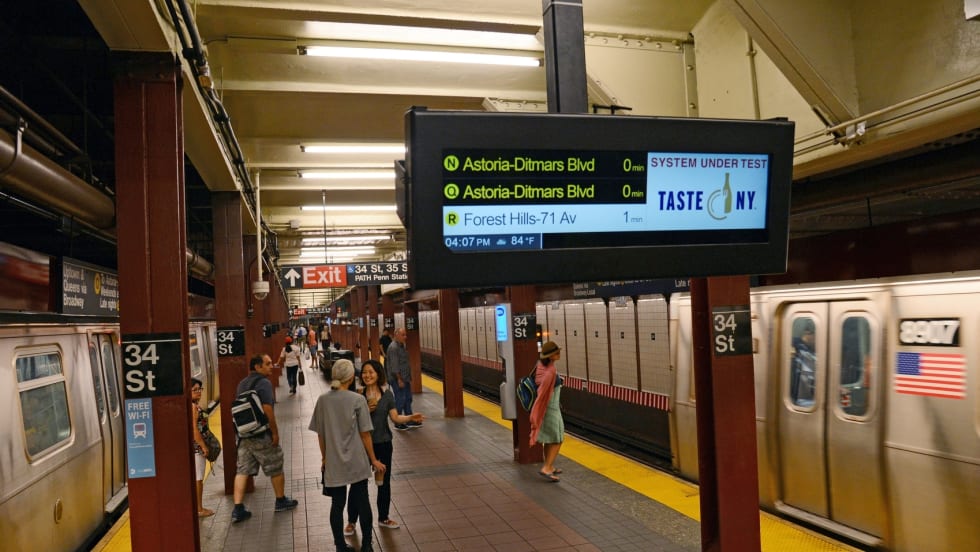
Municipal officials worldwide are leveraging advances in mobile, communications and Internet of Things (IoT) technologies to build so-called “smart cities” to deliver services more efficiently and improve the overall quality of life for their residents. That work begins with the mass transit system.
Read More →Many agencies still rely on expensive proprietary software for trip planning and real-time customer information, which present such issues as lack of user-friendly interfaces and a concomitant price structure in which license renewals and software modifications generally cost in the thousands annually.
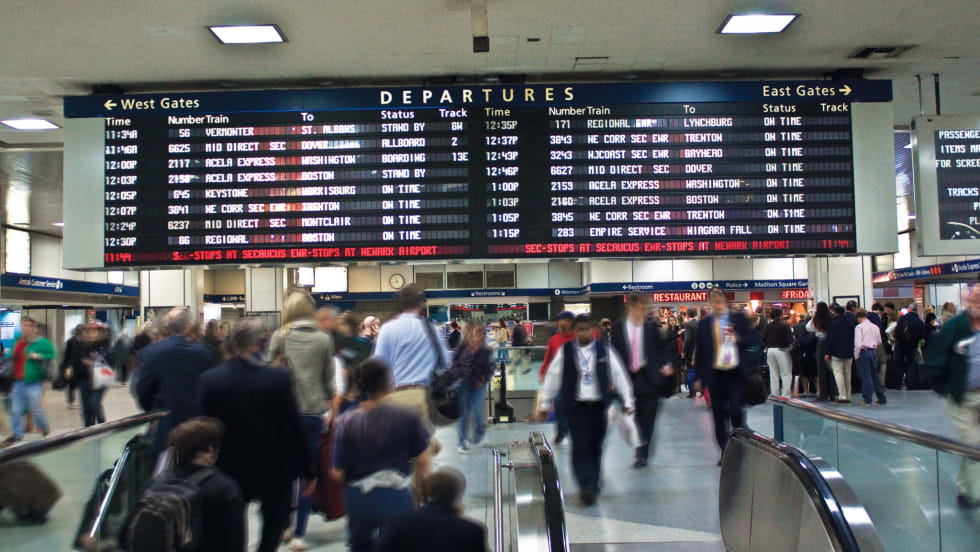
Read More →Improvements on tap include readability, customization, and solar-powered products, while passenger information display options range from service arrival times and weather updates to surveillance footage.
Read More →Nomad, provider of passenger and fleet connectivity solutions to the rail industry, employs around 230 people, and is headquartered in Newcastle, UK.
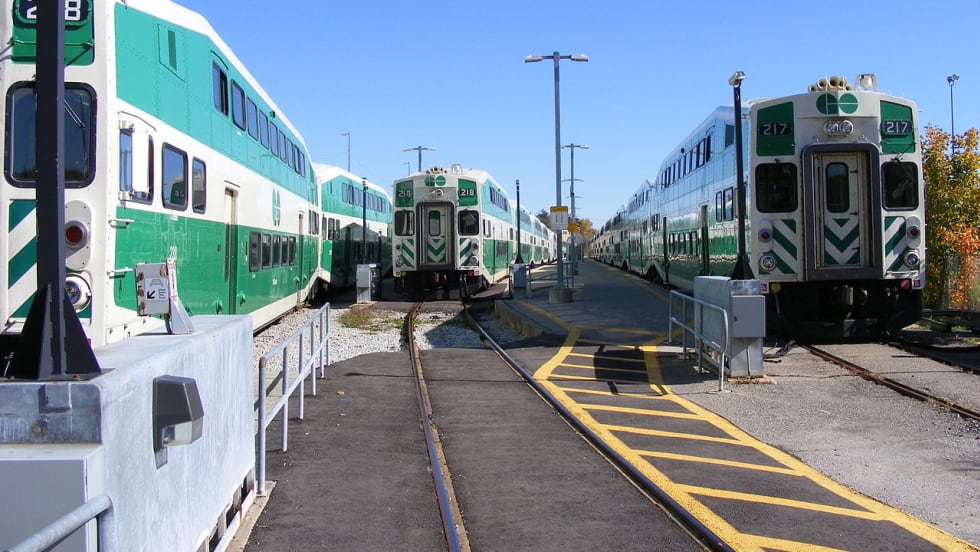
Read More →While the new Twitter accounts will focus on specific delays for each train line, commuters will still have to check the main @GOTransit account for messages affecting the entire system, such as a snow alert or severe weather warnings.
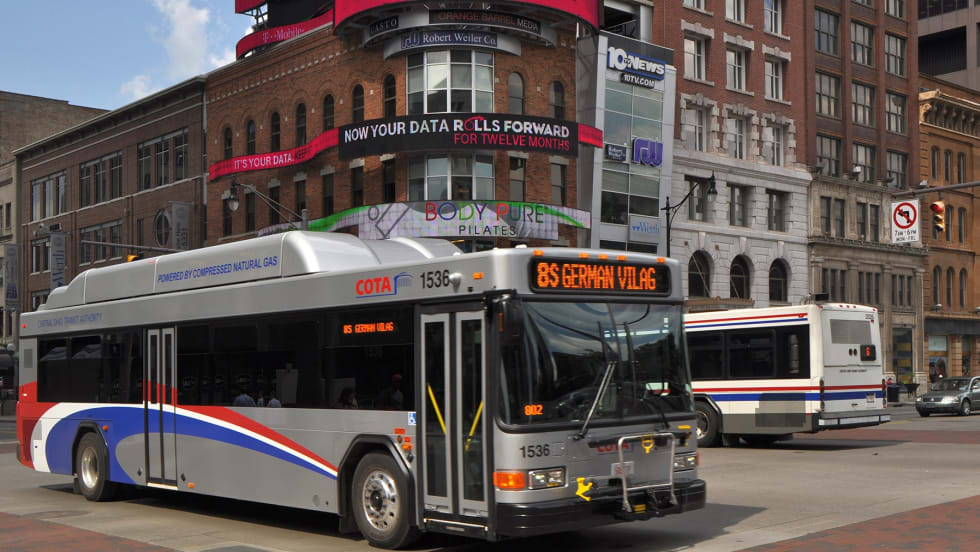
Read More →The cost to COTA will be no more than $250,000 per year, though, the agency is hopeful negotiations with companies vying for the contract will result in no charge for them.
Read More →Will also be working with local communities to give them the opportunity to provide community-specific information to be displayed on the screens at no cost.
Read More →Customers are now able to request service information at specific times of the day within 30-minute intervals.
Read More →Countdown clocks take the guesswork out of waiting for a train, offering a reduction in stress levels for harried New Yorkers.
Read More →