
Metro Magazine

 MENU
MENU SEARCHMENUSEARCH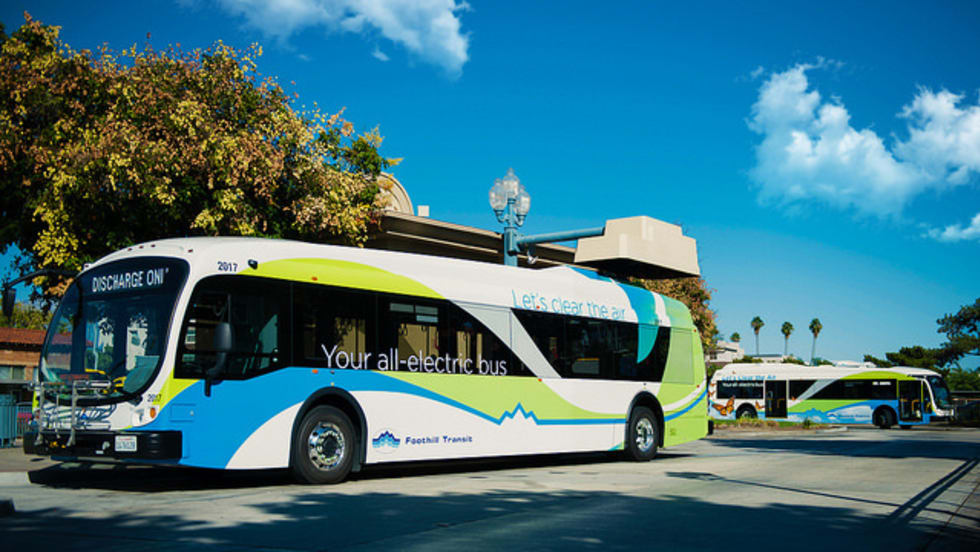
Every year, pollution from passenger vehicles costs the 10 ZEV states about $24 billion in health costs, which includes 20,000 lost work days.
Read More →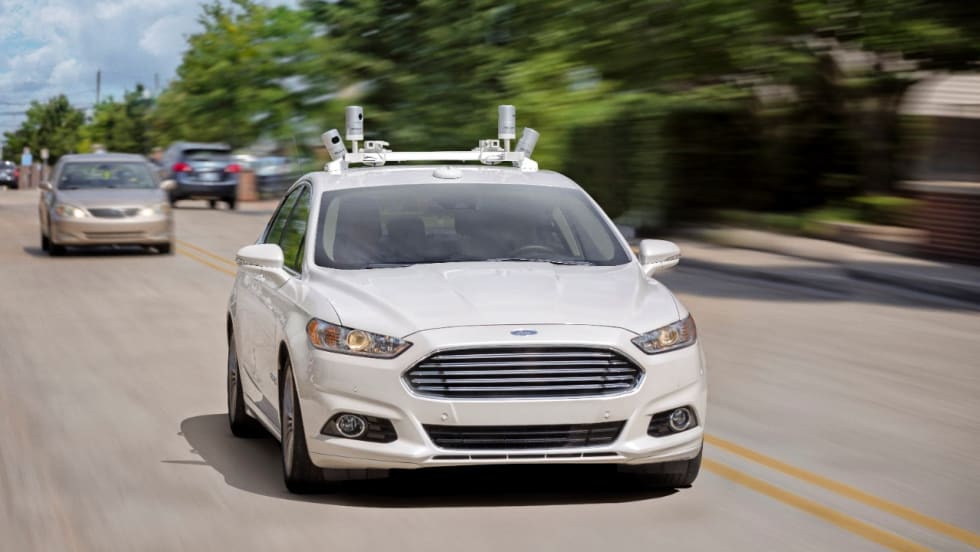
Obstacles include privacy and security concerns, to a lack of infrastructure and the need for a legislative framework.
Read More →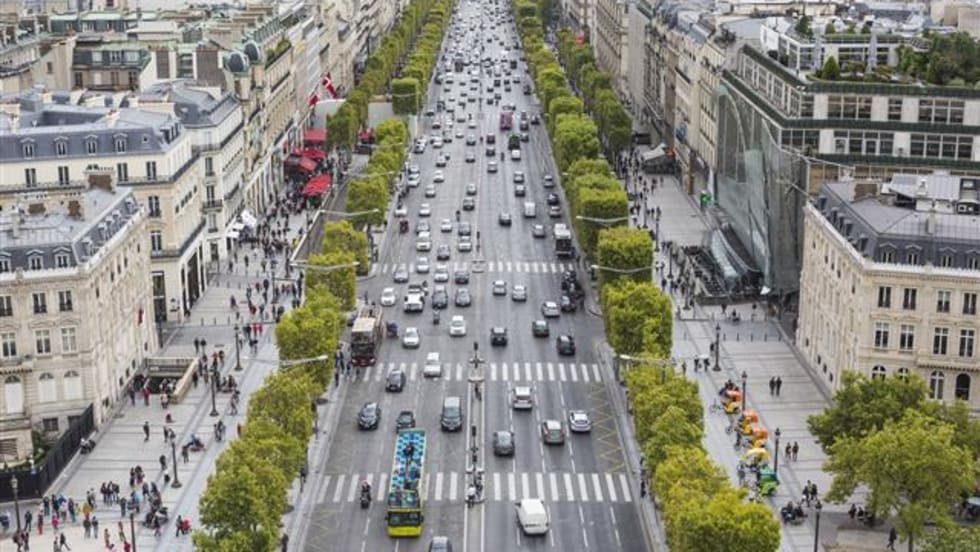
Additionally, more than a quarter of citizens will be using a self-driving car, according to a forthcoming global study from Xerox.
Read More →
In the study, “The Hidden Traffic Safety Solution: Public Transportation,” authors reveal that transit-oriented communities are five times safer because they have about one-fifth the per capita traffic casualty rate (fatalities and injuries) as automobile-oriented communities.
Read More →
California-based Four Nines Technologies’ scope of work includes determining opportunities and costs of potential fare structure changes and developing a model that can help Metra evaluate those potential changes.
Read More →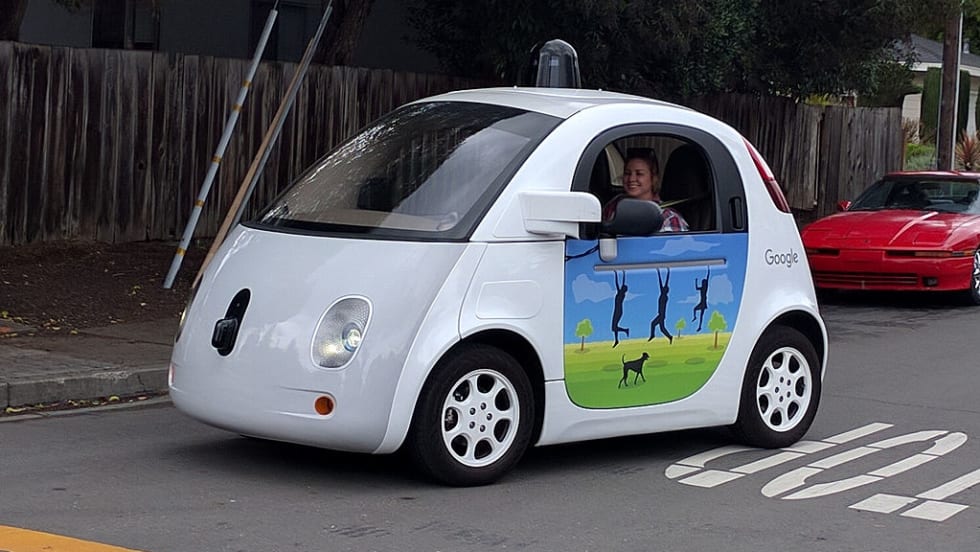
His remarks at a self-driving convention comes a few weeks after government regulators revealed a 40-year-old man died in May after his Tesla car crashed into a truck while using a semi-autonomous feature called "Autopilot."
Read More →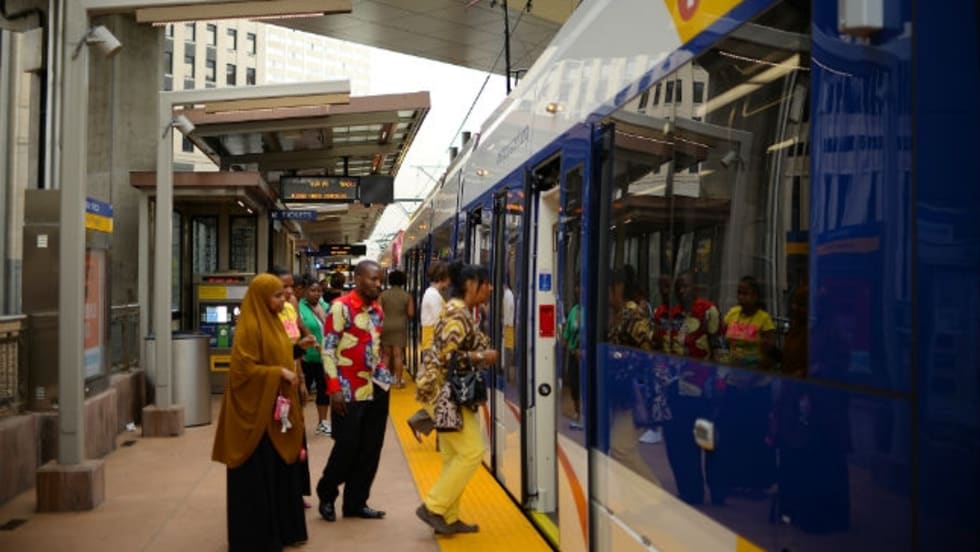
The new study analyzes such employment mismatches in the Twin Cities seven-county metropolitan area and examines the potential of a new approach that integrates transit planning and workforce development.
Read More →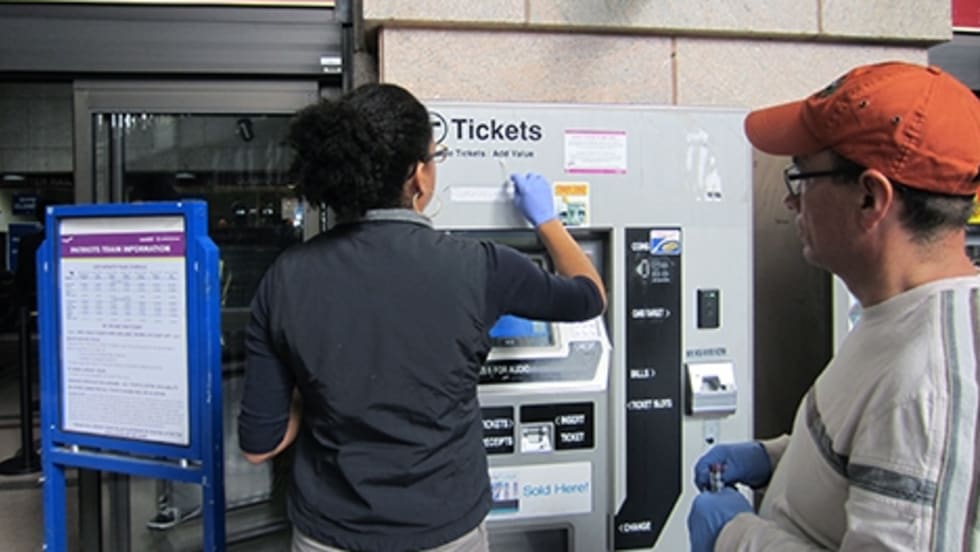
Harvard researchers collected samples from three MBTA subway lines, including swabbing seats, seat backs, walls, vertical and horizontal poles, and hanging grips inside train cars.
Read More →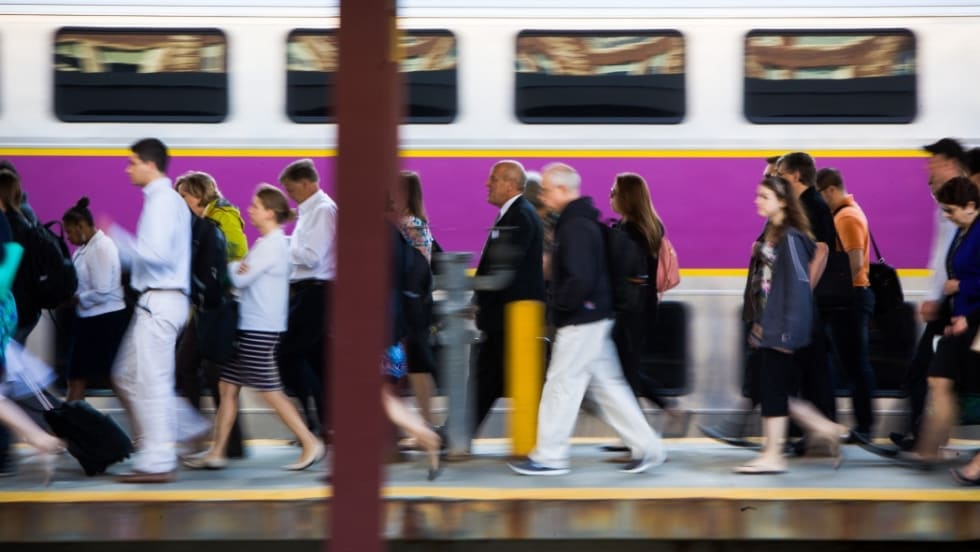
To stem revenue losses from passengers not paying fares, two transit agencies are implementing new solutions to limit, and hopefully, eliminate fare evaders on their rail systems.
Read More →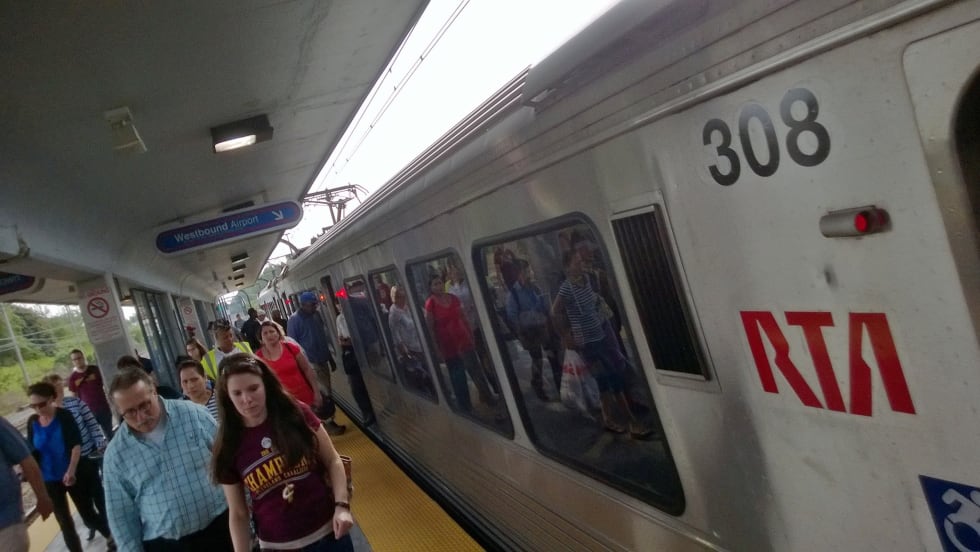
The "Public Transportation's Role in the Knowledge Economy" study looks at the economic impact of public transportation in select regions and does a deeper dive into how public transit supports emerging tech scenes in three areas.
Read More →